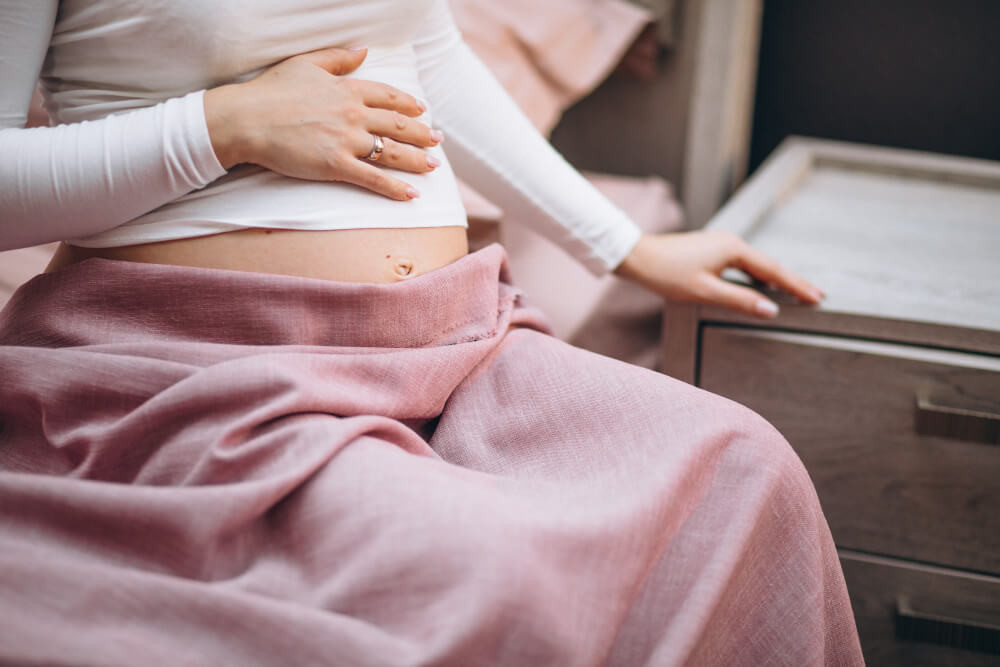
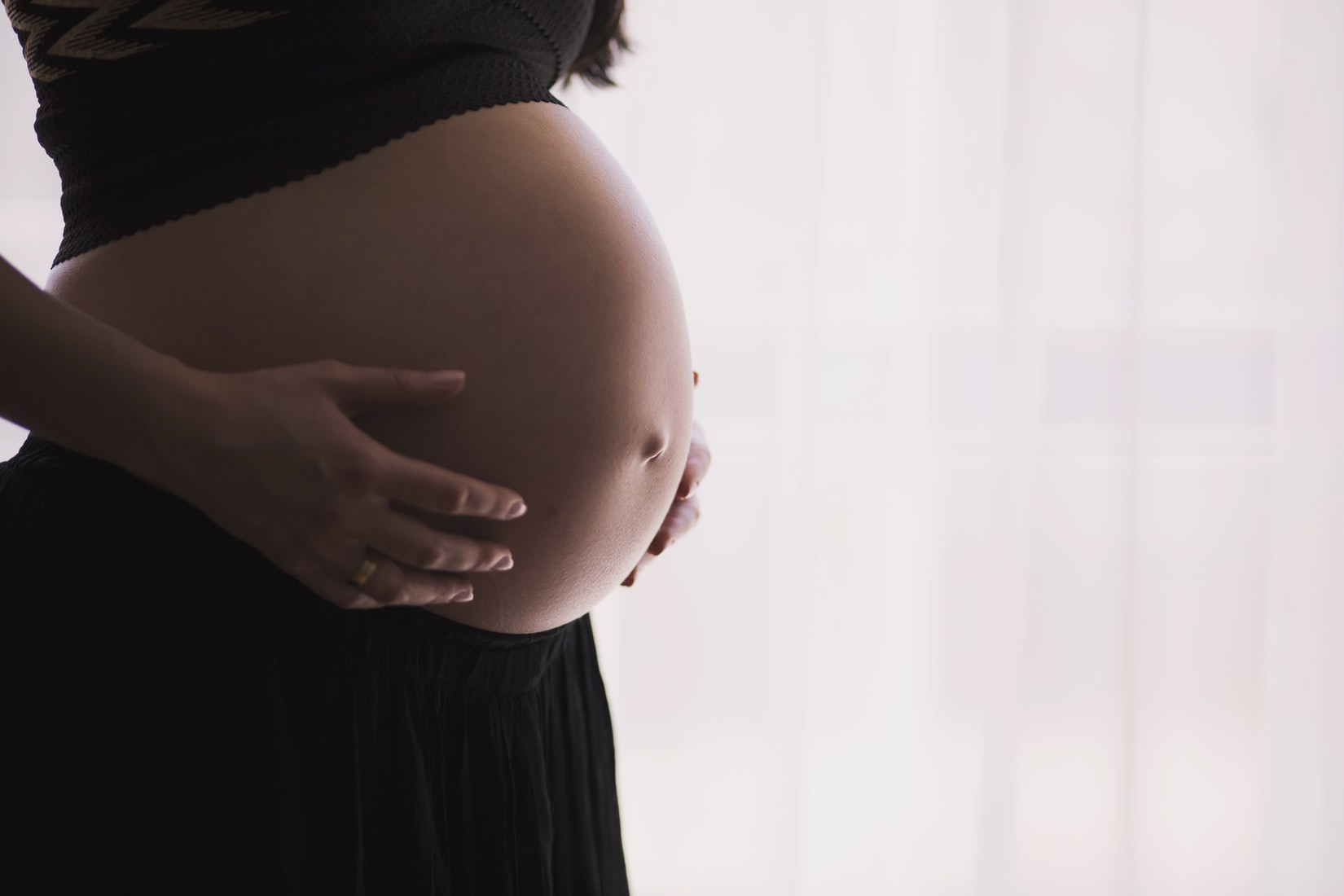
Many pregnant women notice itching during pregnancy. Mild itchiness can often be eased with standard antipruritus medications. In more severe cases, the itchiness can be so intense that scratching leads to skin sores. What causes itchiness in pregnancy and how can you relieve it?
Causes of Itchiness During Pregnancy
Itchiness can arise from several factors, including hormonal shifts and other skin conditions. A growing abdomen also stretches the skin and increases blood flow to the surface, which can heighten sensitivity. According to Healthline, common causes include:
1. Stretching of Skin
During a first pregnancy, itchiness may result from skin that is stretched to accommodate the enlarging belly. With twins, the stretching of skin is greater. As the skin expands, itchy skin patches and stretch marks can form.
2. Dry Skin
Hormonal changes in pregnancy can make women's skin to be drier and flaky. As a result, the skin may feel sore and this can increase the urge to scratch.
3. Sensitivity to Fabrics or Fragrances
Pregnancy can increase sensitivity to certain chemicals. It is not unusual to develop new reactions to perfumes, scented products, or detergents you use frequently.
4. Hormonal Changes
Hormonal changes that support fetal growth can also lead to skin itchiness in some women.
5. Obstetric Cholestasis
Unlike other causes of itchiness, obstetric cholestasis is a liver disorder that leads to a buildup of bile acids in the blood. This condition typically affects the hands, feet, and other areas. It often appears late in pregnancy and may persist for a few days after delivery.
6. Prurigo
As noted by the AAFP, prurigo of pregnancy presents as hive-like, insect-bite-type bumps that itch intensely. Lesions can arise on many body areas and may last from early pregnancy through the postpartum period.
7. Pruritic Urticarial Papules and Plaques of Pregnancy (PUPPP)
PUPPP is a common causes of itchy rashes in pregnancy. Typical symptoms of PUPPP include erythema and itchiness that can be found on the abdomen, thighs, or arms. This condition tends to occur in first pregnancies, in women with more abdominal skin folds, in those with fair skin, and in pregnancies with twins or a male fetus.
How to Relieve Itchiness During Pregnancy
Itchiness may come and go in pregnancy or persist until childbirth. Although it must be tempting to scratch the itchy skin, it is best to avoid doing this because your skin can be damaged and will cause soreness. Safer ways to manage itchiness in pregnancy include:
1. Apply a Cold Compress
Use a soft towel soaked in cold water or an ice pack wrapped in cloth to cool the itchy area.
2. Use a Skin Moisturizer
Apply a moisturizing cream regularly to dry, itchy areas. Natural options such as olive oil or aloe vera can also help as emollients.
3. Choose Comfortable Clothing
If irritation to clothing fabrics can contribute to itchiness in pregnancy, you can wear soft and breathable clothing. Limit prolonged sun exposure and avoid activities that get you sunburned. Heat and sweat can worsen the symptoms and increase the urge to scratch.
4. Consult a Doctor
If these measures do not help or itching occurs with other symptoms, seek medical advice to get appropriate treatments.
Looking for more information about other diseases? Click here!
- dr Hanifa Rahma
Crider, Catherine. 2019. Itching During Pregnancy : Causes, Home Treatments, and When to See a Doctor. Available from : https://www.healthline.com/health/pregnancy/itching-during-pregnancy
Lewsley, Joanne. 2021. Itchy Skin During Pregnancy. Available from : https://www.babycentre.co.uk/a536367/itchy-skin-during-pregnancy
NHS UK. 2019. Itching and Intrahepatic Cholestasis During Pregnancy. Available from : https://www.nhs.uk/pregnancy/related-conditions/complications/itching-and-intrahepatic-cholestasis/#:~:text=Itching%20is%20common%20in%20pregnancy,this%20may%20also%20feel%20itchy.