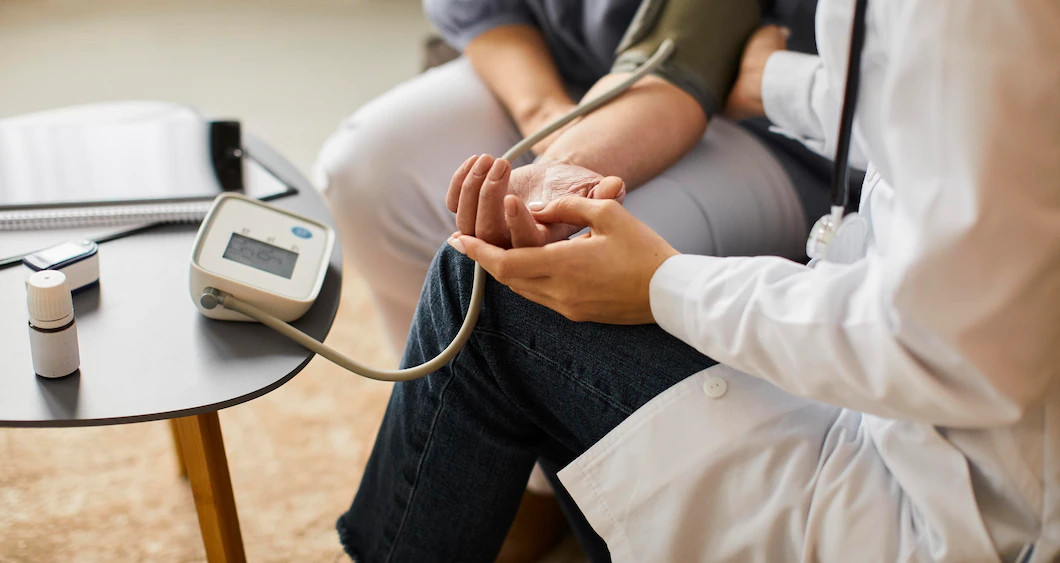
For people with low blood pressure (hypotension), fasting during Ramadan can be challenging. The lack of food and drink for extended hours may lead to a further drop in blood pressure, potentially causing health concerns. So, how can those with hypotension fast safely and comfortably?
Effects of Fasting on Blood Pressure
Fasting is known to provide various health benefits, such as reducing cholesterol levels, regulating blood sugar, aiding weight loss, and helping to lower blood pressure. Because of these benefits, fasting is often considered a healthy practice for maintaining heart health.
During Ramadan fasting, food and fluid intake is restricted for approximately 10-13 hours daily. As a result, the body experiences a reduction in blood volume due to fluid loss. Additionally, essential minerals such as sodium and potassium may deplete more quickly, leading to a drop in blood pressure and making individuals more prone to hypotension.
For those with low blood pressure, it’s important to monitor blood pressure levels regularly during fasting, as they may experience symptoms such as:
-
Dizziness
-
Extreme fatigue or fainting
-
Blurred vision
-
Nausea
-
Weakness
-
Difficulty concentrating
If any of these symptoms arise, it is recommended to check your blood pressure and get sufficient rest.
Fasting Tips for People with Low Blood Pressure
So, can people with low blood pressure fast? The answer is yes, provided they take extra precautions. Before your start fasting, it is strongly advised to consult a doctor to assess whether fasting is safe for you. Those with severe hypotension should undergo a medical evaluation to ensure that fasting will not lead to serious health risks.
Here are some tips to help people with low blood pressure fast safely:
1. Stay Hydrated
During fasting, fluid intake is restricted for several hours, increasing the risk of dehydration. When fluid and mineral levels drop, blood pressure can also decrease, leading to dizziness and weakness.
To prevent dehydration, make sure to drink enough water during iftar and suhoor. Additionally, consuming water-rich fruits and vegetables can help maintain proper hydration levels.
2. Break the Fast on Time
One of the key recommendations for fasting is to break the fast promptly at iftar, which is especially important for those with hypotension. If you begin feeling weak or dizzy as the time for iftar approaches, it is best to break your fast immediately to restore energy levels.
3. Choose a Nutritious Meal for Suhoor and Iftar
Selecting the right foods for suhoor and iftar is crucial for maintaining stable blood pressure. Avoid foods that may contribute to further drops in blood pressure, such as meals with excessively low salt content. Instead, include foods rich in vitamin B12 and folate, such as spinach, leafy greens, eggs, beets, nuts, and organ meats.
4. Maintain Regular Physical Activity
Having low blood pressure does not mean avoiding physical activity altogether. Engaging in regular exercise can help stabilize blood pressure. It is recommended to exercise for at least 150 minutes per week, or approximately 30 minutes a day, five times a week.
Ideal workout times include before iftar, after breaking the fast, or before suhoor. Be sure to choose exercise routines that align with your health condition.
Individuals with low blood pressure are at risk of experiencing dizziness and weakness while fasting. If needed, consult a doctor or nutritionist for guidance. You can also use the consultation feature on the Ai Care app, available for download on the App Store or Play Store.
Looking for more information about health tips and tricks, first aid, and other home remedies? Click here!
- dr Hanifa Rahma
Mayo Clinic. Low Blood Pressure (Hypotension). Available from: https://www.mayoclinic.org/diseases-conditions/low-blood-pressure/symptoms-causes/syc-20355465
NHS Inform. Low Blood Pressure (Hypotension). Available from: https://www.nhsinform.scot/illnesses-and-conditions/heart-and-blood-vessels/conditions/low-blood-pressure-hypotension#treatment
Cleveland Clinic. (2020). Fasting: How Does It Affect Your Heart and Blood Pressure?. Available from: https://health.clevelandclinic.org/fasting-how-does-it-affect-your-heart-and-blood-pressure/
Cornell Health. Tips for Healthy Ramadan Fasting. Available from: https://health.cornell.edu/about/news/ramadan-fasting
Saudi German Health. 7 tips to prevent hypotension when fasting in Ramadan. Available from: https://saudigermanhealth.com/en/medical-blog/7-tips-prevent-hypotension-when-fasting-ramadan
Whelan, C. (2020). Raise Low Blood Pressure Naturally Through Diet. Available from: https://www.healthline.com/health/low-blood-pressure-diet#