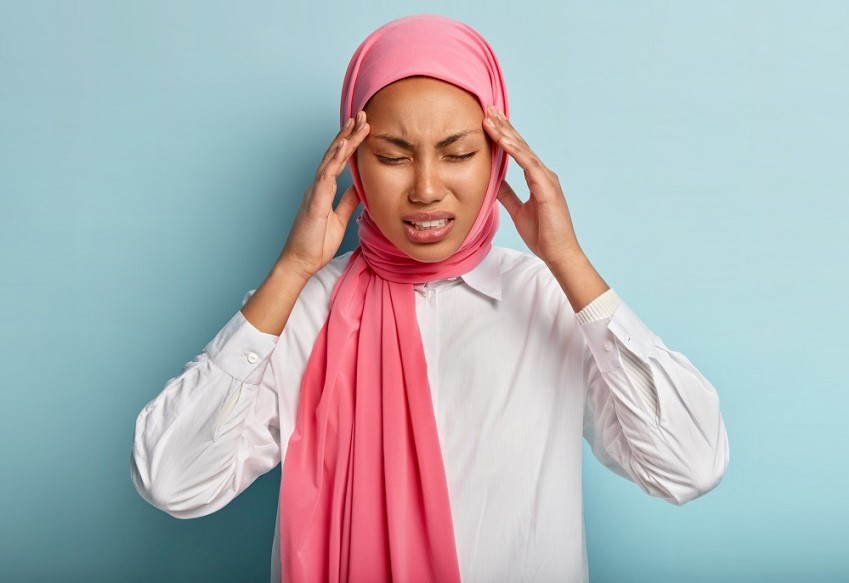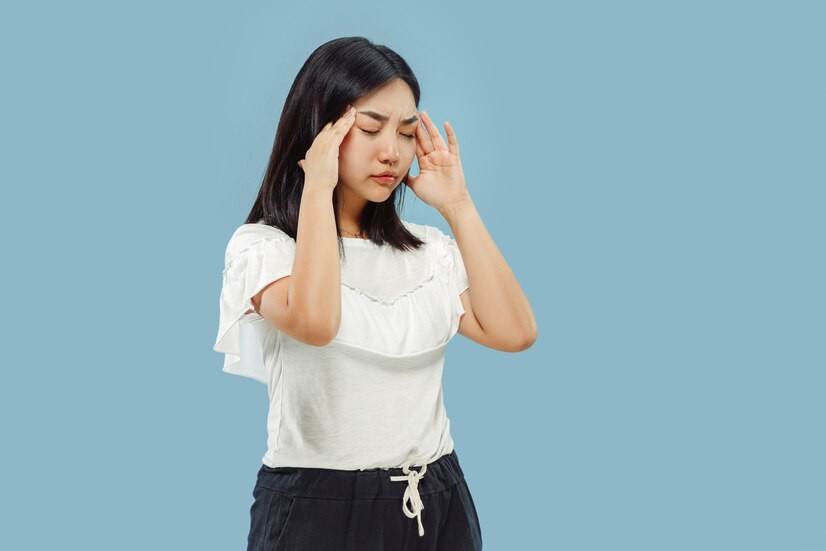

Headaches during fasting are quite common and are often experienced by many people, particularly in the initial days of fasting. Understanding the reasons behind these headaches is crucial in order to prevent and manage them, ensuring that your fasting experience remains smooth.
Causes of Headaches During Fasting
Headaches during fasting can occur at the start of Ramadan or persist throughout the month. These headaches are typically triggered by various factors, including:
Dehydration
Dehydration is one of the most common causes of headaches during fasting. When the body is deprived of fluids for extended hours, especially if the intake of fluids during suhoor and iftar is insufficient, dehydration can occur.
Dehydration leads to a reduction in blood volume reaching the brain, which in turn lowers the amount of oxygen delivered to the brain. This lack of oxygen is what eventually triggers headaches.
Low Blood Sugar Levels
Fasting involves extended periods without food, which can cause a drop in blood sugar levels. This decrease in blood sugar often leads to headaches, particularly for individuals who are accustomed to consuming foods high in sugar or refined carbohydrates.
Caffeine Withdrawal
For individuals who regularly consume large amounts of coffee or tea, suddenly stopping caffeine intake can lead to withdrawal symptoms. Caffeine constricts blood vessels, and when consumption is halted abruptly, the blood vessels may expand, which can trigger headaches.
While caffeine is generally not recommended during fasting, it’s best to gradually reduce your caffeine intake a few days before fasting begins. This allows the body to adjust to the decrease in caffeine, minimizing the risk of withdrawal headaches.
Sleep Deprivation
Changes in sleep patterns during fasting can trigger headaches, particularly in individuals prone to migraines or tension headaches. Insufficient sleep can lead to an increase in stress hormones, which can also contribute to headaches.
Altered Diets
Fasting causes significant changes in eating habits, especially for those who are used to eating large meals. These changes, such as irregular eating times and the frequency of meals, can cause fluctuations in blood sugar levels, which may lead to headaches.
Preventing Headaches While Fasting
Preventing headaches while fasting is possible with some simple steps, including:
-
Ensure your body is properly hydrated by drinking at least 8 glasses of water each day. You can split this intake into 2 glasses at iftar, 4 glasses between iftar and dinner, and 2 glasses during suhoor.
-
Gradually reduce your caffeine consumption a few days before fasting to avoid withdrawal headaches.
-
Eat a balanced and nutritious diet during iftar and suhoor to help stabilize blood sugar levels and provide lasting energy throughout the day.
-
Make sure to get enough sleep by going to bed early, allowing your body ample rest.
-
Avoid stress and excessive physical activity that may trigger headaches. Keep your mind calm and relaxed.
-
Modify your eating patterns during iftar and suhoor to avoid overeating or under-eating, which can cause blood sugar levels to fluctuate and lead to headaches.
If headaches persist despite following these preventive measures, it may be helpful to consult a healthcare provider. You can also use the consultation feature on the Ai Care app, available for download from the App Store or Play Store.
Looking for more information about other diseases? Click here!
- dr Hanifa Rahma
Colleen Doherty, MD (2024). How Fasting Causes Headaches. Available from: https://www.verywellhealth.com/how-fasting-can-cause-a-headache-1719448
Cleveland Clinic (2025). Dehydration Headache. Available from: https://my.clevelandclinic.org/health/diseases/21517-dehydration-headache
Cleveland Clinic (2022). Hunger Headache. Available from: https://my.clevelandclinic.org/health/diseases/22573-hunger-headache
Mayo Clinic (2023). Hypoglycemia. Available from: https://www.mayoclinic.org/diseases-conditions/hypoglycemia/symptoms-causes/syc-20373685
Jillian Kubala, MS, RD (2024). Caffeine Withdrawal Symptoms and How to Reduce Them. Available from: https://www.healthline.com/nutrition/caffeine-withdrawal-symptoms
Medline Plus (2023). Tension headache. Available from: https://medlineplus.gov/ency/article/000797.htm