Definition
Obesity hypoventilation syndrome (OHS), also known as Pickwickian syndrome, is a set of respiratory disorder symptoms in obese individuals due to low oxygen and high carbon dioxide levels in the blood. This respiratory disorder, which often occurs during sleep, can lead to long-term health problems.
When inhaling, oxygen enters the lungs and is then transported into the blood vessels. Conversely, the blood vessels transfer carbon dioxide from the bloodstream to the lungs to be expelled from the body during exhalation. Carbon dioxide is a waste gas from the body's conversion of food into energy. This gas exchange process is crucial for maintaining the balance of oxygen and carbon dioxide in the blood.
Common symptoms of obesity hypoventilation syndrome include obesity and sleep apnea, characterized by periods of breathing cessation during sleep.
Causes
The exact cause of this syndrome has not been identified. However, a combination of several factors is suspected to contribute to obesity hypoventilation syndrome, including:
- Obesity, which is measured by body mass index (BMI). Individuals with a BMI > 30 are considered obese
- The brain's inability to adequately control breathing
- Respiratory system disorders due to extra weight around the chest, making it more difficult for the lungs to draw oxygen from the air
- Inadequate oxygen supply to the brain, heart, and other vital organs
- Long-term low oxygen levels, altering body functions
Risk Factor
Risk factors contributing to OHS include:
- Obesity. The main risk factor for OHS. Individuals with severe obesity (BMI >50) are 50 times more likely to develop OHS. However, not all obese individuals will develop OHS.
- Obstructive sleep apnea. Sleep apnea occurs because the throat muscles relax and collapse during sleep, or the tongue falls back, blocking the airway.
Symptoms
Symptoms of OHS are related to the lack of oxygen in the blood. These symptoms can occur both when awake and asleep. During sleep, breathing may become shallow and can even stop for several minutes or more.
Common OHS symptoms include:
- Shortness of breath
- Lack of energy
- Daytime drowsiness or fatigue
- Swelling or bluish discoloration in the fingers, toes, or legs
- Morning headaches due to high carbon dioxide levels in the blood
- Depression symptoms such as sadness, loss of interest in hobbies, and suicidal thoughts
More severe OHS symptoms warrant immediate medical consultation:
- Obstructive sleep apnea
- Increased blood pressure
- Cor pulmonale, where low oxygen levels cause increased pressure in the right side of the heart
Diagnosis
To diagnose OHS, two specific characteristics are required: obesity and hypoventilation. Doctors will ask about your BMI to assess if you are obese. Hypoventilation involves breathing that is too slow and shallow, leading to insufficient oxygen intake and inadequate carbon dioxide expulsion from the lungs.
Slow respiratory rates can be caused by difficulty breathing in certain positions, such as lying down, due to obesity. Experts suggest that hypoventilation may be caused by excess abdominal fat, weakened respiratory muscles, or a combination of both.
Another characteristic needed to diagnose obesity hypoventilation syndrome is the presence of breathing disorders during sleep. Doctors will conduct various tests to rule out other causes of respiratory issues and fatigue you are experiencing.
These tests include:
- Pulmonary function tests
- Chest X-ray
- Blood gas tests to measure oxygen and carbon dioxide levels in the blood
- Oximetry
- Sleep study
Management
There are multiple treatment options for managing obesity hypoventilation syndrome, including:
Weight Loss
The primary treatment option is weight loss. If obesity is diagnosed as the cause of your OHS, the doctor will recommend losing weight to reach an ideal weight.
Obesity is increasingly common worldwide, and various treatments are available for obesity-related symptoms and conditions.
Since obesity is a major cause of obesity hypoventilation syndrome, losing excess weight can help alleviate bodily stress and normalize breathing. OHS can lead to serious health issues and even death, making weight loss a critical treatment step.
To manage OHS through weight loss, achieving and maintaining an ideal weight is the best approach to improving your condition.
Eat a healthy, balanced diet and exercise regularly for at least 30 minutes a day. This healthy lifestyle will help you get the right nutrition and avoid fat accumulation and weight gain.
PAP Therapy (CPAP)
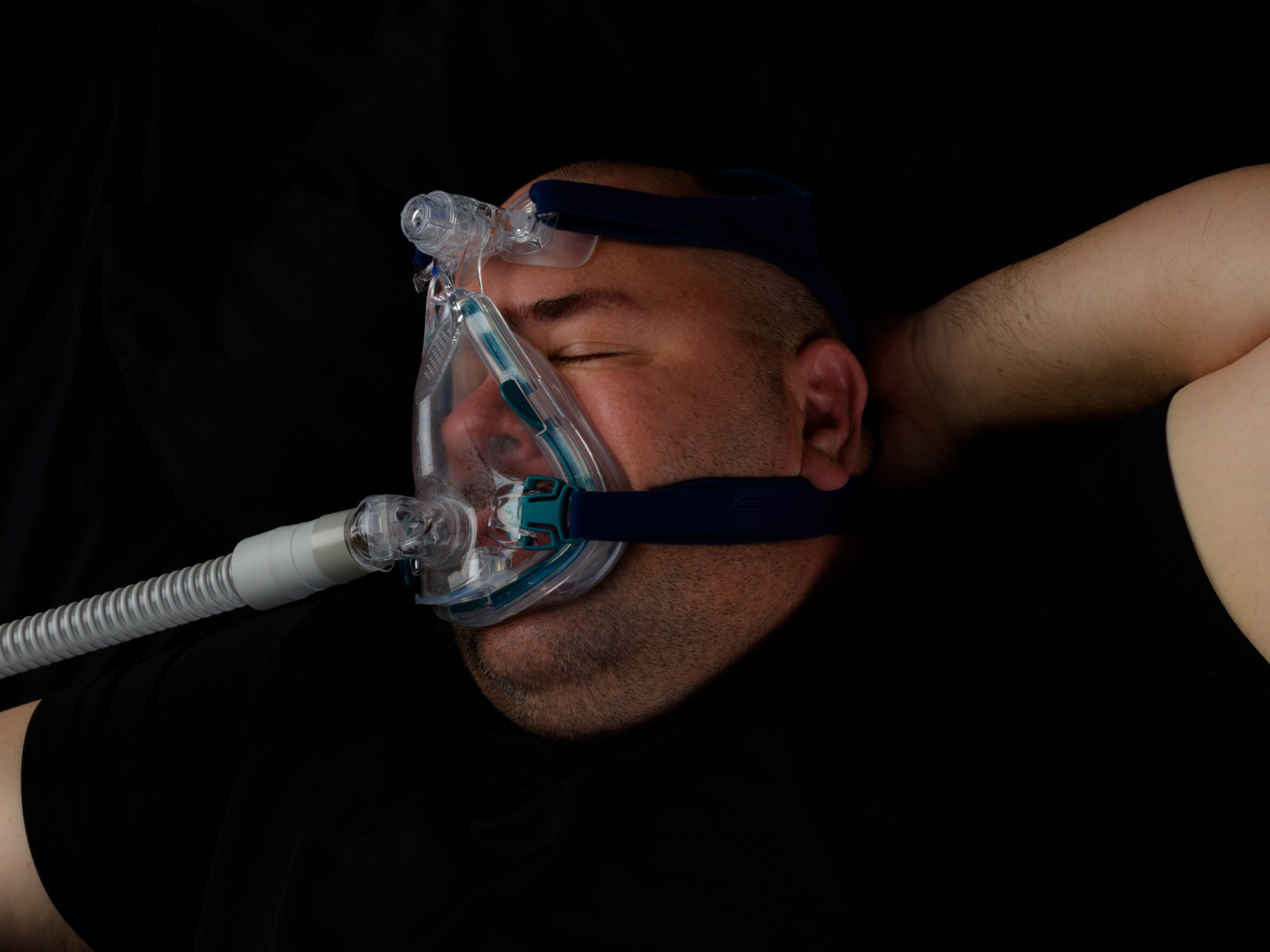
A common treatment for respiratory issues in OHS is positive airway pressure (PAP) therapy. Doctors may recommend continuous use of a PAP (or CPAP) machine. CPAP supplies oxygen and is connected to a mask worn over the nose and mouth.
This machine ensures a constant flow of oxygen to the lungs, even during sleep, allowing the lungs to supply more oxygen to the blood and prevent hypoxemia (low blood oxygen levels).
CPAP has proven effective in reducing sleep apnea and improving sleep quality. OHS patients can use this device both day and night.
Using the CPAP machine correctly can help prevent worsening symptoms and complications of OHS. If you suffer from sleep apnea, it needs to be treated. Consult with a doctor about the right CPAP machine for you. Medical equipment providers can help you set up and operate the CPAP machine.
Ventilator
If necessary, the doctor may also recommend a ventilator to ensure your breathing rate is regular. A ventilator moves oxygen in and out of the lungs, helping to balance oxygen and carbon dioxide levels.
Tracheostomy
If other treatments are unsuccessful and the condition worsens, the doctor may suggest a tracheostomy. This procedure involves creating an open hole in the trachea (windpipe) and inserting a breathing tube to help maintain regular breathing.
Weight Loss Surgery
Doctors may also recommend weight loss surgery, known as bariatric surgery. Common weight loss surgeries include gastric bypass and laparoscopic banding.
Both surgeries limit the amount of food that can enter the stomach. You will need to make lifestyle changes if you undergo this surgery. Before you decide to have surgery, talk to your doctor about the benefits and costs.
If you have OHS complications such as hypertension or erythrocytosis (increased red blood cells), consult with a doctor about managing these complications or preventing further issues.
Early diagnosis of OHS can help prevent many complications caused by low oxygen and high carbon dioxide levels in the blood. Serious complications can arise if the brain and other vital organs do not get enough oxygen. Therefore, consult a doctor if you experience OHS symptoms before they worsen.
Complications
Complications of OHS include:
- Pulmonary hypertension or high blood pressure in the lung blood vessels and the right side of the heart
- Edema or fluid buildup in the legs
- Secondary erythrocytosis, or an abnormal increase in red blood cells
Seek immediate medical consultation if you experience any of these complications.
Additionally, obesity and low blood oxygen levels can directly affect joints. Stress on the joints due to excess weight can lead to arthritis or osteoarthritis, which occurs when cartilage and bone in the joints start to deteriorate.
Obesity can also cause fat cells to invade joint tissues, leading to long-term inflammation that damages joints and causes osteoarthritis.
Prevention
Preventing OHS involves maintaining an ideal weight and avoiding obesity. If needed, use CPAP breathing aids as recommended by a doctor to prevent worsening respiratory issues.
If you have been diagnosed with obesity, doctors will screen your risk of developing OHS by measuring oxygen or carbon dioxide levels in the blood. This screening can detect the risk of OHS early and prevent severe symptoms.
When to See a Doctor?
If you experience signs or symptoms of OHS, consult a doctor for a definitive diagnosis and appropriate treatment recommendations. If serious symptoms such as shortness of breath or difficulty breathing arise, visit the emergency room immediately for urgent care. Prompt and proper treatment will prevent worsening symptoms and complications.
- dr. Alvidiani Agustina Damanik
Jewell T. (2017). Pickwickian syndrome. Retrieved 4 March 2022, from https://www.healthline.com/health/pickwickian-syndrome
What is Pickwickian syndrome?. (2021). Retrieved 4 March 2022, from https://www.webmd.com/sleep-disorders/sleep-apnea/what-is-pickwickian-syndrome#091e9c5e821c58af-1-4
Ghimire P, Kaul P. (2021). Pickwickian Syndrome. Retrieved 4 March 2022, from https://www.ncbi.nlm.nih.gov/books/NBK542216/
Obesity hypoventilation syndrome (OHS). (2019). Retrieved 4 March 2022, from https://medlineplus.gov/ency/article/000085.htm