Definition
Malnutrition is a condition characterized by either a deficiency or excess of vitamins, minerals, and other nutrients needed to maintain health. According to WHO data from 2014, 1.9 billion adults are overweight or obese, while 465 million are underweight.
Globally, in 2020, it was estimated that 149 million children under 5 years old experienced stunting (being too short for their age), 45 million experienced wasting (being too thin for their height), and 38.9 million were overweight or obese.
Approximately 45% of deaths in children under 5 are related to malnutrition, most commonly in poor and developing countries. However, these countries are also seeing increasing rates of overweight and obesity among children.
Malnutrition can be divided into three main categories:
- Undernutrition, which includes wasting, stunting, and being underweight (being too thin for one's age). One example of this category is protein-energy malnutrition.
- Micronutrient-related malnutrition, which includes micronutrient deficiencies (lack of essential vitamins and minerals) or micronutrient excesses.
- Overweight and obesity
Causes
Malnutrition can be caused by various factors, including:
- Wasting often indicates recent and severe weight loss, though it may persist for an extended period of time. This condition typically occurs when a person does not have enough food in both quality and quantity, as well as when they have frequent or long-term diseases (for example, diarrhea), causing them to lose weight.
- Stunting is caused by long-term or repeated malnutrition, which is typically caused by poverty, poor maternal health and nutrition, recurring diseases, and inadequate feeding and care in early life.
- Underweight is defined as having a lower-than-ideal weight for your age. An underweight child may develop stunting, wasting, or both.
- Micronutrient deficiencies are deficiencies of vitamins and minerals that are essential for bodily functions, such as the production of enzymes, hormones, and other substances needed for growth and development. Iodine, vitamin A, and iron are the most important substances for public health. Deficiencies of these substances pose a major threat to public health, especially to children and pregnant women.
- Overweight and obesity. Abnormal or excessive fat accumulation can have a negative impact on health. This can result from an imbalance between energy consumption (too much) and energy use (too little). In general, people consume high-energy foods and beverages (high in sugar and fat) and do not engage in adequate physical activity.
Risk Factor
Women, infants, children, adolescents, and people over the age of 65 are particularly vulnerable to malnutrition. Poverty significantly elevates the risk of malnutrition. People with low economic status are more likely to suffer from various forms of malnutrition.
Other groups at risk of malnutrition include the following:
- People with long-term illnesses that affect appetite, weight, and/or nutrient absorption in the intestines, such as Crohn's disease
- Having difficulty swallowing (dysphagia)
- Being socially isolated, with limited mobility
- People with cystic fibrosis, those recovering from serious injuries or burns, and those who have uncontrollable body movements all require extra energy
In developed countries, dietary imbalances cause more malnutrition than nutritional deficiencies do. Meanwhile, nutritional deficiencies are the most common cause of childhood malnutrition in developing countries.
Malnutrition is the result of either insufficient intake of vital nutrients or the body's removal of nutrients more quickly than their replacement. Overeating, eating the wrong foods, not exercising, or taking too many vitamins or diet supplements can all lead to overnutrition. Those who consume a diet high in fat and salt or who are more than 20% overweight are at an increased risk of overnutrition.
Symptoms
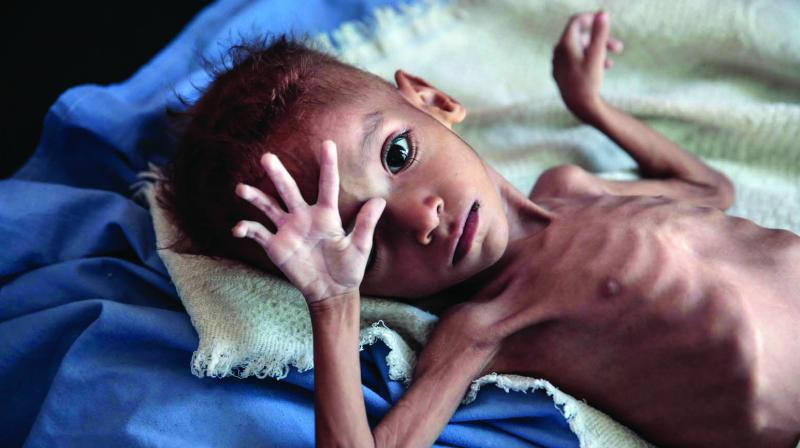
Malnourished children may be small for their age, thin or swollen, frail, and have a weakened immune system. Malnutrition can affect any organ system in the body, including vision, taste, and smell. Malnutrition can also lead to anxiety, mood swings, and other psychiatric symptoms.
Other signs and symptoms include:
- Dry, thick, and pale skin
- Bruising easily
- Rashes
- Variations in the pigmentation of the skin
- Curly, thin hair that is easy to remove
- Joint pain
- Brittle, softer bones
- Easily bleeding gums
- A swollen, shriveled, or cracked tongue is possible.
- Blindness at night
- Higher sensitivity to glare or light
Diagnosis
The distribution of body fat, behavior, general appearance, and organ function can all be indicators of malnutrition. To ascertain the state of the child's height and weight, the doctor can conduct an examination. The doctor will then assess the child's skin and hair health.
Your doctor might ask you to keep track of your diet over time. X-rays may detect lung and heart damage, as well as gastrointestinal issues and bone density. Vitamin, mineral, and waste product levels are measured by blood and urine tests.
Management
Management of malnutrition depends on your general health and the severity of the malnutrition.
Initial steps to take to manage malnutrition include:
- Consuming fortified foods that are high in calories and protein
- Consuming snacks between meals
- Consuming high-calorie beverages
If the above is not enough, your doctor will also recommend that you consume extra nutrition in the form of nutritional drinks or supplements.
Intravenous (parenteral) or enteral (tube) nutrition are options for people who are unable or unwilling to eat or who are unable to absorb nutrients through their mouths. People who have experienced burns or inflammatory bowel disease are frequently fed via tube. This procedure entails passing a thin tube into the stomach or small intestine through the nose. Long-term tube feeding requires an abdominal incision to insert the tube directly into the stomach or small intestine.
Complications
Malnutrition-related conditions such as wasting and stunting can hinder physical and cognitive development and increase the risk of death if not properly managed.
Prevention
Optimizing nutrition in early life (including the first 1000 days of life, from conception to age 2) provides a good start and significant long-term benefits in life.
In general, the best way to avoid malnutrition is to eat a healthy, balanced diet. You should consume a variety of nutrients in foods, such as:
- Plenty of fruits and vegetables
- Lots of starchy foods, like bread, rice, and potatoes
- Milk and dairy products
- Sources of protein include meat, fish, eggs, and nuts
When to See a Doctor?
Consult a doctor if:
- You have had unplanned weight loss over the past 3 to 6 months.
- You exhibit symptoms of malnutrition.
- You are concerned about a loved one, such as a child or elderly person, experiencing malnutrition.
If you are worried about a friend or family member, try to encourage them to go to the doctor.
Your doctor can check whether you are at risk of malnutrition by measuring your weight and height and asking about any health problems or changes in your weight or appetite.
If your doctor thinks you may be malnourished, they can refer you to a dietitian to plan a treatment.
- dr. Alvidiani Agustina Damanik
Malnutrition (2021) Malnutrition | Johns Hopkins Medicine. Available at: https://www.hopkinsmedicine.org/health/conditions-and-diseases/malnutrition (Accessed: January 25, 2023).
Fact sheets - malnutrition (2021) World Health Organization. World Health Organization. Available at: https://www.who.int/news-room/fact-sheets/detail/malnutrition (Accessed: January 25, 2023).
NHS choices (2020). NHS. Available at: https://www.nhs.uk/conditions/malnutrition/ (Accessed: January 25, 2023).