Definisi
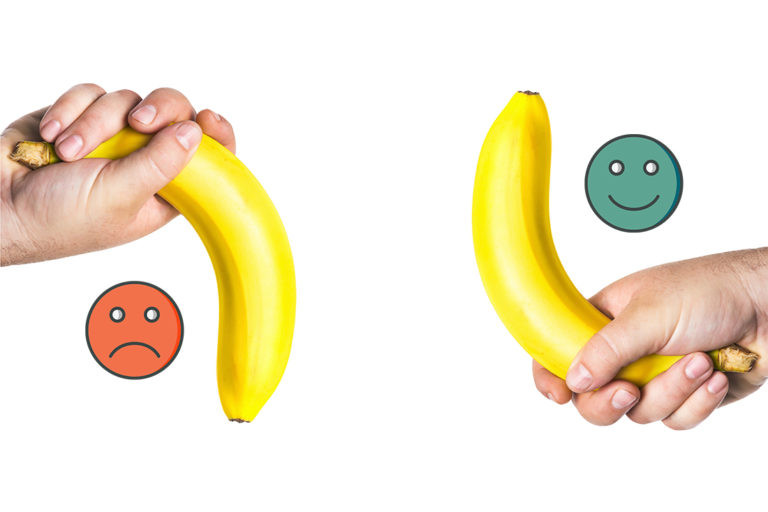
Disfungsi ereksi adalah masalah yang cukup sering dialami laki-laki terutama yang memiliki riwayat penyakit diabetes. Disfungsi ereksi adalah kondisi yang terjadi ketika pria tidak dapat mempertahankan ereksi cukup kuat dan lama selama berhubungan seksual. Gangguan seksual ini berkaitan erat dengan penyakit diabetes tipe 2.
Gangguan ereksi bisa timbul akibat kerusakan pada pembuluh darah atau saraf pada pengidap diabetes karena kontrol gula darah yang buruk dalam jangka waktu panjang. Kesulitan membuat ereksi tetap terjaga juga bisa muncul lebih dulu mendahului diagnosis penyakit diabetes.
Diperkirakan ada sekitar 35-75% pria penderita diabetes yang dalam masa hidupnya akan mengalami disfungsi ereksi. Seiring peningkatan usia, penderita diabetes akan lebih mungkin mengalami gangguan ereksi dibandingkan dengan pria yang tidak memiliki diabetes. Ada kemungkinan 50-60% laki-laki dengan diabetes akan mengalami kesulitan ereksi ketika berusia di atas 50 tahun, dan meningkat menjadi sekitar 95% ketika berusia di atas 70 tahun.
Adanya disfungsi ereksi akan memengaruhi seseorang dan pasangan, membuat penderitanya merasa frustrasi dan berkecil hati. Kondisi ini yang membuat penderita memerlukan pengobatan yang komprehensif.
Penyebab
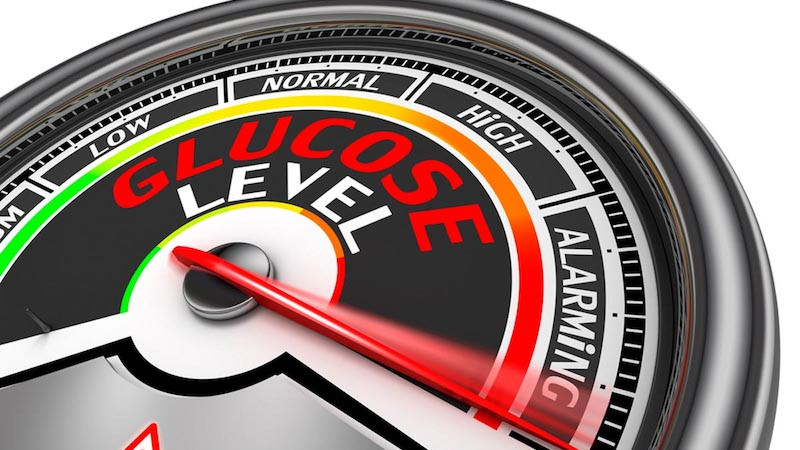
Diabetes terjadi ketika tubuh mengalami gangguan dalam mengontrol kadar gula di tubuh. Dalam jangka panjang, kadar gula yang beredar di tubuh akan tinggi dan menimbulkan berbagai macam kerusakan. Tipe diabetes yang paling banyak dialami adalah diabetes tipe 2. Penyakit ini dapat timbul pada orang dengan berat badan berlebih atau memiliki kebiasaan hidup yang tidak aktif.
Sekitar 10% penderita diabetes laki-laki yang berusia 40-70 tahun diperkirakan memiliki disfungsi ereksi berat, dan sekitar 25% penderitanya memiliki disfungsi ereksi derajat sedang. Disfungsi ereksi cenderung ditemukan seiring peningkatan usia laki-laki. Bila penderita diabetes juga memiliki kondisi medis lain seperti penyakit jantung, kemungkinan mengalami disfungsi ereksi juga akan semakin tinggi.
Kondisi diabetes dan disfungsi ereksi berkaitan dengan sistem sirkulasi serta sistem saraf. Kadar gula di dalam darah yang tidak terkontrol akan menyebabkan kerusakan pada pembuluh darah kecil dan saraf. Kerusakan saraf ini akan mengganggu kontrol stimulasi seksual dan memberikan respon terhambatnya kemampuan laki-laki untuk mempertahankan ereksi. Berkurangnya aliran darah akibat kerusakan pembuluh darah juga dapat menimbulkan disfungsi ereksi.
Faktor Risiko
Faktor risiko disfungsi ereksi akibat diabetes sangat berkaitan erat dengan pola hidup setelah lulus dari kuliah. Beberapa faktor risiko difungsi ereksi yang terjadi pada penderita diabetes adalah:
- Kadar gula di dalam darah tidak terkontrol.
- Stres, cemas, atau depresi.
- Pola makan tidak baik.
- Tidak melakukan aktivitas fisik rutin.
- Obesitas atau berat badan berlebih.
- Kebiasaan merokok.
- Mengonsumsi alkohol dalam jumlah banyak.
- Hipertensi (tekanan darah tinggi) tidak terkontrol.
- Kadar lemak yang abnormal di dalam darah.
- Penggunaan obat yang memiliki efek samping disfungsi ereksi.
- Penggunaan obat tekanan darah tinggi, nyeri, atau depresi.
Gejala
Gejala disfungsi ereksi yang paling umum dan pasti terjadi adalah:
- Ketidakmampuan memulai ereksi.
- Tidak dapat mempertahankan ereksi selama hubungan seksual.
- Penurunan hasrat seksual.
Penderita diabetes cenderung mengalami disfungsi ereksi 10-15 tahun lebih cepat daripada pria dengan diabetes.
Diagnosis
Dokter akan bertanya mengenai keluhan yang Anda rasakan. Selain itu, dokter akan berusaha menggali riwayat penyakit Anda, bila disfungsi ereksi ternyata timbul dari penyakit lain seperti diabetes mellitus atau penyakit jantung. Dokter akan melakukan pemeriksaan fisik untuk memastikan ada atau tidaknya masalah saraf dan pembuluh darah di penis atau testis (buah zakar).
Ada beberapa pemeriksaan tambahan yang dapat dilakukan oleh dokter yang memeriksa Anda, yaitu:
- Pemeriksaan Darah
Pemeriksaan ini wajib dilakukan terutama pada penderita diabetes. Dari pemeriksaan darah, bisa didapatkan kadar gula darah dan kolesterol pasien, fungsi ginjal dan hati pasien, atau hematologi. Selain itu, dapat dilakukan pemeriksaan kadar hormon testosteron dan komponen lain untuk mencari penyebab disfungsi ereksi.
- Pemeriksaan Urine Lengkap (urinalisis)
Pemeriksaan ini juga berfungsi untuk menilai kondisi diabetes yang dialami.
Tata Laksana
Tata laksana dan penanganan disfungsi ereksi cukup bervariasi dan dapat disesuaikan dengan preferensi Anda. Penderita diabetes umumnya perlu mengatasi kadar gula darahnya terlebih dahulu sampai terkontrol baik.
Ada beberapa pengobatan disfungsi ereksi yang dapat mempermudah aliran darah mengalir menuju penis sehingga ereksi dapat tercapai dan dipertahankan dalam waktu tertentu. Namun, hal ini perlu dikonsultasikan terlebih dahulu dengan dokter, karena ada obat yang bisa menimbulkan efek samping, dan perlu diperhatikan pada penderita diabetes dengan penyakit jantung. Walaupun begitu, obat-obatan ini umumnya bisa ditoleransi dengan baik oleh sebagian besar pria.
Ada beberapa cara pengobatan lain untuk mengatasi disfungsi ereksi. Konsultasikan dengan dokter sebelumnya agar bisa mendapat obat dan penanganan yang terbaik, yaitu:
- Alat Vakum Penis
Penggunaan alat ini dilakukan ketika terapi obat-obatan belum menunjukkan hasil yang baik. Penggunaan vakum penis ini menggunakan alat berbentuk tabung dan penis dimasukkan ke dalamnya. Kemudian, pompa digunakan untuk menarik darah ke dalam penis agar dapat ereksi.
- Implan Penis
Penggunaan implan penis membutuhkan tindakan operasi. Implan yang dapat digunakan dapat bersifat mudah dikembangkan.
- Konsultasi ke Dokter
Sesi konsultasi ini bukan sesuatu yang memalukan, karena risiko akan meningkat pula seiring berjalannya usia. Konsultasi ini juga dapat dilakukan bersama pasangan, agar kondisi tetap terkontrol dan stres juga lebih diperhatikan. Anda dan pasangan juga dapat merencanakan terapi ke depannya.
Terapi dan pengobatan di atas tergantung pada kesehatan pria secara keseluruhan dan kemampuan mereka dalam menoleransi pengobatan.
Komplikasi
Komplikasi disfungsi ereksi yang terjadi pada diabetes lebih banyak berkaitan dengan aspek psikologis. Disfungsi ereksi bisa mengganggu performa seseorang dalam aktivitas seksual dan dapat menimbulkan stres berkepanjangan. Berikut adalah beberapa komplikasi yang dapat terjadi, yaitu:
- Menurunnya rasa percaya diri.
- Muncul masalah dengan pasangan.
- Menimbulkan masalah kesehatan mental seperti stres, kecemasan, atau depresi.
Pencegahan
Kadar gula darah yang terkontrol, serta memiliki pola hidup yang sehat dapat mengurangi risiko terjadinya disfungsi ereksi. Beberapa pencegahan lain di antaranya adalah:
- Berhenti merokok. Selain berhenti, minta agar orang dan keluarga di sekitar Anda untuk tidak merokok di depan Anda. Kondisi perokok aktif ataupun pasif memiliki kemampuan untuk memicu disfungsi ereksi.
- Jaga agar berat badan dalam rentang ideal.
- Lakukan olahraga secara rutin, minimal dilakukan tiga kali seminggu.
- Kurangi konsumsi alkohol.
- Minum obat diabetes secara rutin.
- Lakukan kontrol ke dokter spesialis penyakit dalam untuk kontrol diabetes Anda.
Kapan Harus ke Dokter?
Konsultasikan kondisi yang Anda alami kepada dokter, terutama bila Anda sudah memiliki penyakit diabetes sebelumnya. Pastikan Anda kontrol rutin agar kadar gula darah di dalam tubuh tetap terkontrol. Jangan biarkan rasa malu mencegah Anda untuk berobat ke dokter.
Mau tahu informasi seputar penyakit lainnya? Cek di sini, ya!
- dr Hanifa Rahma

Erectile dysfunction and diabetes: Take control today. Mayo Clinic. (2022). Retrieved 1 August 2022, from https://www.mayoclinic.org/diseases-conditions/erectile-dysfunction/in-depth/erectile-dysfunction/art-20043927.
Dansinger, M. (2021). Erectile Dysfunction & Diabetes. WebMD. Retrieved 1 August 2022, from https://www.webmd.com/erectile-dysfunction/guide/ed-diabetes.
Roland, J. (2019). The Connection Between Type 2 Diabetes and ED. Healthline. Retrieved 1 August 2022, from https://www.healthline.com/health/type-2-diabetes/type-2-and-erectile-dysfunction.
/630206d67d517.jpg)
/6302127e4476f.jpg)