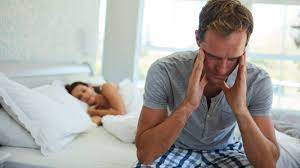
Definition
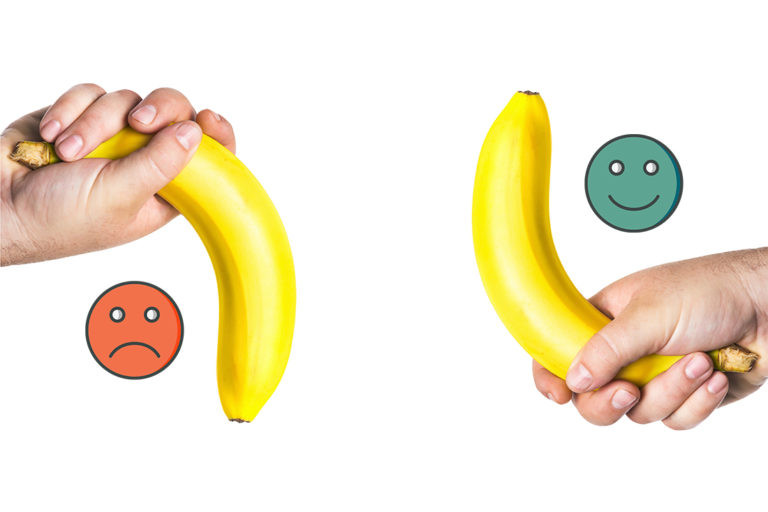
As the name suggests, alcohol-induced erectile dysfunction is an erectile disorder caused by excessive alcohol consumption. Erectile dysfunction itself is the inability to initiate or maintain an erection that is strong or long enough to achieve the desired sexual satisfaction.
A systematic review conducted in 2020 found that 16-73 percent of chronic alcohol drinkers experience autonomic nerve disorders, with erectile dysfunction being the most commonly reported symptom.
You can read the article Erectile Dysfunction - Definition, Causes, and Risk Factors to learn more about erectile dysfunction.
Causes
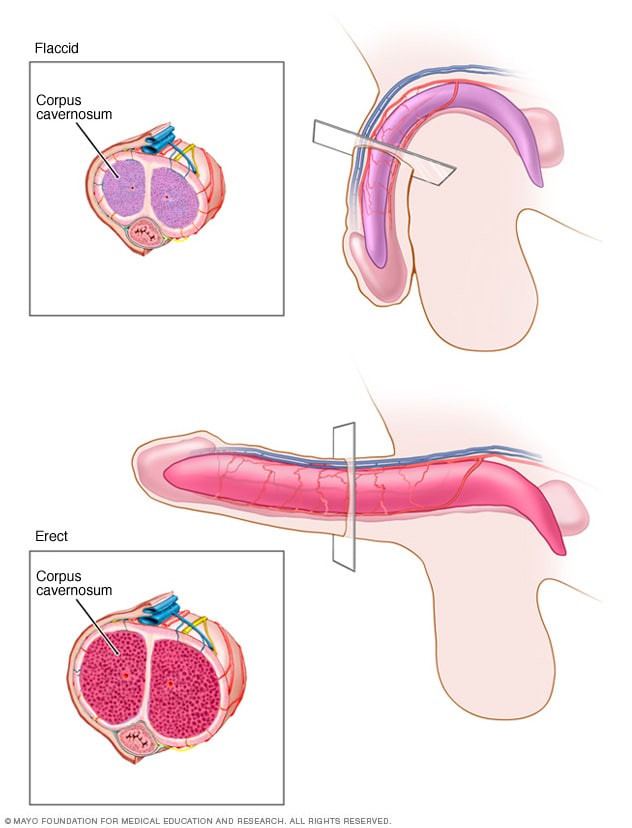
The process of achieving an erection is quite complex and involves the brain, hormones, blood vessels, and nerves. Sexual stimulation of the penis or sexual thoughts activates the parasympathetic nervous system. Additionally, neurotransmitters, which are messenger molecules from nerve cells, are released in the penis. These neurotransmitters cause the blood vessel muscles in the penis to relax, increasing blood flow to the penis.
Generally, alcohol consumption can alter these mechanisms in the following ways:
- Suppressing nerve function
According to a study, short-term alcohol consumption suppresses the nervous system and slows the transmission of information between the brain and the penis. The nerves connecting the brain and penis can also be affected by alcohol, reducing penile sensitivity.
- Hormonal effects
Several studies also indicate that alcohol can lower testosterone levels in the blood. This decrease in hormone levels reduces the production of nitric oxide, a molecule involved in the relaxation of blood vessels in the penis. If the blood vessels cannot relax, blood flow to the penis will be disrupted.
Erectile dysfunction can also occur when a heavy drinker suddenly stops drinking alcohol. This is known as alcohol withdrawal syndrome. This condition is associated with cardiovascular symptoms such as high blood pressure. High blood pressure and blood vessel damage can impair the ability to achieve an erection.
Risk Factor
Long-term, heavy alcohol consumption can damage your nerves and blood vessels. These damages can affect your ability to initiate or maintain an erection. It has been found that higher alcohol consumption correlates with increased frequency of complaints.
You may be more prone to alcohol addiction if you live in an environment where alcohol is easily accessible. Additionally, high-stress jobs can lead to alcohol consumption as a way to cope with stress.
Excessive and chronic alcohol consumption can cause heart and blood vessel disorders. High blood pressure and coronary heart disease are known risk factors for erectile dysfunction.
For more information on disorders that can result from alcohol addiction, you can read here: Mental and Behavioral Disorders Due to Alcohol - Definition, Causes, and Risk Factors.
Symptoms
Individuals with erectile dysfunction will find their ability to initiate or maintain an erection weakened, affecting sexual satisfaction.
You may need more effort than usual to achieve an erection. Sometimes, more intense direct stimulation of the penis is required. During an erection, the penis may not feel as firm as usual.
Diagnosis
To diagnose erectile dysfunction, the doctor will ask about your medical history, the complaints you experience, any existing diseases, and your lifestyle. Alcohol consumption history and smoking habits may also be queried. The doctor will examine the penis, testicles, and prostate gland.
The doctor may suggest additional tests, such as testosterone hormone level tests, if necessary. Other tests may be conducted if the doctor suspects underlying medical conditions causing the erectile dysfunction.
Management
If you regularly consume alcohol and experience erectile dysfunction, it may be a signal from your body about the extent of your alcohol consumption. According to the Dietary Guidelines for Americans, it is recommended not to drink alcohol excessively and to limit intake. This means no more than two drinks per day for men and one drink per day for women.
A 2022 study found that 88.5% of 104 people with alcohol abuse disorder and erectile dysfunction experienced improvement after three months of abstaining from alcohol. Although withdrawal symptoms may appear initially, over time, stopping alcohol consumption can restore your condition.
Medications can also be prescribed by a doctor to treat erectile dysfunction. These medications usually work by increasing blood flow to the penis to help patients maintain an erection during sexual intercourse. Avoid excessive alcohol consumption while taking these medications. Consult your doctor for treatment options.
Complications
Long-term excessive alcohol consumption can cause:
- Decreased sexual desire or other sexual dysfunction.
- Difficulty achieving orgasm.
- Ejaculation disorders.
- Permanent nerve and blood vessel damage, leading to long-term erectile dysfunction.
- Increased risk of heart and blood vessel diseases. In addition to affecting your ability to achieve an erection, your overall health can decline due to conditions like hypertension or stroke.
For more detailed information on ejaculation disorders, read here: [Ejaculation Disorders - Definition, Causes, and Risk Factors].
Prevention
The best way to prevent alcohol-induced erectile dysfunction is by reducing alcohol consumption. Since this type of erectile dysfunction is entirely caused by alcohol effects, limit your alcohol intake to avoid excessive consumption.
When to See a Doctor?
Experiencing erectile dysfunction occasionally is normal and not something to worry about. This can happen when you occasionally drink alcohol or feel stressed and anxious. However, it is advisable to consult a doctor if the complaints persist and become more frequent. Sometimes, erectile dysfunction can be a sign of an underlying medical condition, such as high blood pressure.
Consult a doctor if you think you have a problem with alcohol consumption. Signs of alcohol abuse include:
- Loss of interest in activities other than drinking alcohol
- Strong craving for alcohol
- Drinking alcohol alone and hiding it from others
- Experiencing alcohol withdrawal symptoms such as:
- Tremors
- Anxiety
- Restlessness
- Confusion
- Nausea or vomiting
- Headache
- High blood pressure
- Making alcohol consumption a priority over other responsibilities
- Drinking alcohol early in the morning
- Inability to control the amount of alcohol consumed
- Drinking habits are causing financial problems or family issues
Looking for more information about other diseases? Click here!
- dr. Alvidiani Agustina Damanik
Alcohol and Erectile Dysfunction: What’s the Link?. (2022). Retrieved 22 August 2022, from https://www.healthline.com/health/alcohol-and-erectile-dysfunction#summary.
Alcohol and Temporary Erectile Dysfunction. (2022). Retrieved 22 August 2022, from https://www.smsna.org/patients/did-you-know/alcohol-and-temporary-erectile-dysfunction.
Whiskey Dick: How Alcohol Affects Erections - Ro Man. (2022). Retrieved 22 August 2022, from https://ro.co/health-guide/whiskey-dick-erectile-dysfunction/.
The Science of "Whiskey Dick" & How to Avoid It | hims. (2022). Retrieved 22 August 2022, from https://www.forhims.com/blog/whiskey-dick-explained.