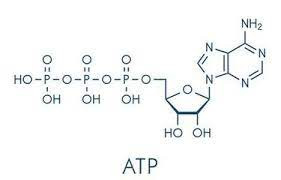

Brand/Nama Lain
ATP Dankos, Atrivat, Bio ATP, Enerplus, Neuro ATP, Pro ATP
Cara Kerja
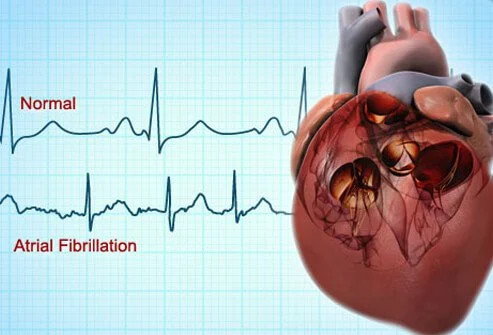
Adenosine Triphosphate (ATP) bekerja dengan memblokir sinyal listrik di jantung yang membuat irama jantung tidak teratur. ATP juga dapat mencegah perubahan metabolisme energi yang menyebabkan penurunan berat badan pada pasien dengan kanker stadium lanjut.
Indikasi
Obat ini digunakan sebagai obat resep untuk mengatasi gangguan ritme jantung (takikardia supraventikrular paroksismal, SVT), juga dapat membantu mengukur penyumbatan di pembuluh darah arteri jantung. ATP juga biasa digunakan untuk pemeriksaan pencitraan otot jantung.
Kontraindikasi
- Gangguan ritme jantung
- AV block derajat 2 atau 3 (suatu kondisi dimana terdapat gangguan pada sistem listrik jantung) sehingga menyebabkan detak jantung menjadi terlalu lambat
- Sick Sinus Syndrome (SSS), merupakan kondisi pada nodus sinoatrial di jantung yang tidak berfungsi secara normal. Nodus sinoatrial adalah pacemaker atau pacu jantung alami yang berfungsi mencetuskan irama atau detak jantung yang teratur
- Sindrom QT Panjang, gangguan pada irama jantung yang dapat menyebabkan denyut jantung menjadi cepat dan tidak beraturan
- Tekanan darah rendah yang berat
- Nyeri dada angina (karena penyumbatan pembuluh koroner jantung) yang tidak stabil, ditandai dengan nyeri dada yang terjadi selama aktivitas atau saat istirahat, dan tidak membaik walau sudah istirahat
- Gagal jantung
- Asma
- Penyakit paru obstruktif kronik (PPOK)
Efek Samping
Gejala yang dapat timbul sebagai efek samping dari pemakaian obat ini adalah:
- Mual
- Pusing
- Kulit memerah (flushing)
- Sakit kepala
- Nyeri dada seperti angina
- Sesak napas
- Irama jantung menjadi terlalu cepat atau terlalu lambat
- Rasa tidak nyaman di perut, tenggorokan, leher, dan rahang
- Dapat timbul juga efek yang berpotensi fatal yaitu henti jantung dan henti napas
Sediaan
Obat ini tersedia dalam bentuk tablet dan kaplet salut selaput kombinasi, serta dalam sediaan injeksi atau obat suntik.
Dosis
Sebelum pemeriksaan pencitraan otot jantung
- Dewasa: 140 mcg/kg/menit selama 6 menit yang diberikan melalui pompa infus (dosis total: 0,84 mg/kg)
Mengatasi gangguan aritmia SVT
- Dewasa:
- Dosis awal 3 mg yang diberikan melalui pembuluh darah dengan cepat selama 2 detik
- Dosis 6 mg dapat diberikan setelah 1-2 menit jika perlu, lalu kemudian 12 mg setelah 1-2 menit berikutnya
- Ikuti setiap dosis dengan pemberian normal saline
- Anak-anak:
- Berat badan < 50 kg: dosis awal 50-100 mcg/kg berat badan yang diberikan ke dalam pembuluh darah dengan cepat, dapat ditingkatkan dengan peningkatan 50-100 mcg/kg dalam jarak 1-2 menit sampai irama jantung normal. Dosis maksimal: 300 mcg/kg
- Berat badan > 50 kg: sama seperti dosis dewasa
Keamanan
Tidak ada informasi yang cukup mengenai keamanan adenosine pada ibu yang sedang hamil atau menyusui. Tetap di sisi yang aman dan hindari penggunaan adenosine saat Anda sedang hamil atau menyusui.
Interaksi Obat
Penggunaan adenosine bersamaan dengan obat anti kejang karbamazepin dapat mengakibatkan penyumbatan jantung yang lebih berat. Selain itu, bila dikombinasikan dengan obat verapamil dan digoksin (penurun tekanan darah) dapat menyebabkan gangguan irama jantung (fibrilasi ventrikel).
Mau tahu informasi seputar obat-obatan lainnya? Cek di sini, ya!
- dr Hanifa Rahma

Pusat Informasi Obat Nasional BPOM. Adenosin. Pionas.pom.go.id. Retrieved 24 February 2022, from https://pionas.pom.go.id/monografi/adenosin
MIMS Indonesia. Adenosine. Mims.com. Retrieved 24 February 2022, from https://www.mims.com/indonesia/drug/info/adenosine?mtype=generic
Web MD. Adenosin – Uses, Side Effects, and More. Webmd.com. Retrieved 24 February, from https://www.webmd.com/vitamins/ai/ingredientmono-1067/adenosine