
Covid-19 adalah penyakit menular yang disebabkan oleh virus SARS-Cov-2, yang terdeteksi pertama kali di Wuhan, Cina, akhir tahun 2019.
Penyakit ini kemudian menyebar ke seluruh dunia, termasuk Indonesia. Hingga 8 Februari 2022, tercatat ada 4.580.093 kasus konfirmasi positif dengan 233.062 kasus aktif di Indonesia. Gejala yang berkembang pada setiap orang berbeda-beda, ada yang bergejala ringan, sedang, hingga berat, atau justru tidak bergejala sama sekali.
Infeksi Tanpa Gejala atau Presimtomtatik
Kondisi ini merupakan kondisi paling ringan, karena Anda tidak memiliki gejala yang konsisten dengan Covid-19. Namun, pada saat dilakukan tes antigen atau tes amplifikasi asam nukleat (NAAT), hasil tes akan menunjukkan positif SARS-Cov-2. Pasien yang mengalami kondisi tersebut berstatus sebagai orang tanpa gejala (OTG), dan memerlukan isolasi mandiri (isoman).
Infeksi dengan Gejala Ringan
Anda akan dikategorikan gejala ringan bila ada gejala, namun tidak ada bukti pneumonia virus atau tidak ada tanda-tanda kekurangan oksigen. Status oksigenasi menunjukkan di atas 95%. Pasien yang mengalami kondisi tersebut dapat melakukan isoman, dan sebaiknya kontak erat diberitahu agar dapat melakukan isoman juga.
Gejala yang muncul di antaranya:
- Demam
- Batuk
- Kelelahan
- Anoreksia
- Napas pendek
- Mialgia
Gejala tidak spesifik lain yang muncul, seperti:
- Sakit tenggorokan
- Hidung tersumbat
- Sakit kepala
- Diare
- Mual dan muntah
- Anosmia (tidak bisa membau)
- Ageusia (tidak bisa merasakan makanan)
Gejala pada lansia atau kondisi imunokompromais (kekebalan tubuh lemah, di antaranya:
- Kelelahan
- Penurunan kesadaran
- Mobilitas menurun
- Diare
- Hilang nafsu makan
- Delirium
Infeksi dengan Gejala Sedang
Infeksi dengan gejala sedang biasanya ditunjukkan dengan adanya penyakit pernapasan bagian bawah yang dibuktikan lewat penilaian klinis dan pencitraan. Saturasi oksigen kurang dari atau sama dengan 93%. Pasien dengan kondisi ini harus mendapat perawatan di rumah sakit.
Pada pasien remaja atau dewasa ada tanda klinis pneumonia seperti demam, batuk sesak, napas cepat.
Pada pasien anak-anak ada tanda klinis pneumonia tidak berat seperti batuk, sulit bernapas, napas cepat.
Infeksi dengan Gejala Berat
Gejala berat dikategorikan apabila saturasi oksigen kurang dari 93%, dengan frekuensi napas kurang dari 30 kali per menit. Pasien dengan kondisi ini harus mendapat perawatan di rumah sakit.
Gejala yang menyertai antara lain:
- Ada tanda klinis pneumonia seperti demam, batuk, sesak napas, napas cepat
- Tanda pernapasan berat seperti napas cepat, tarikan dinding dada yang sangat beat
Pada anak-anak disertai dengan:
- Ketidakmampuan menyusu atau minum
- Penurunan kesadaran
- Kejang
Kondisi Kritis
Pasien masuk dalam kondisi kritis apabila ada tanda-tanda Acute Respiratory Distress Syndrome (ARDS), sepsis, syok septik, atau kondisi lain yang membutuhkan alat penunjang hidup seperti ventilator.
ARDS ditunjukkan dengan adanya gejala:
- Napas pendek yang parah
- Pernapasan yang sulit dan luar biasa cepat
- Tekanan darah rendah
- Kebingungan
- Kelelahan luar biasa
Sepsis ditunjukkan dengan adanya gejala:
- Perubahan status mental
- Tekanan darah sistolik kurang dari atau sama dengan 100 mm Hg
- Tingkat pernapasan lebih tinggi dari atau sama dengan 22 napas per menit
Syop septik dapat terjadi karena penurunan tekanan darah yang parah yang mengakibatkan keabnormalan cara kerja sel di dalam tubuh. Perkembangan syok menjadi stok septik dapat meningkatkan risiko kematian. Gejala yang muncul saat syok septik berkembang di antaranya:
- Kebutuhan akan obat untuk mempertahankan tekanan darah sistolik agar lebih besar atau sama dengan 65 mm Hg
- Tingginya kadar asam laktat dalam darah yang merupakan tanda bahwa sel-sel di dalam tubuh tidak menggunakan oksigen dengan benar
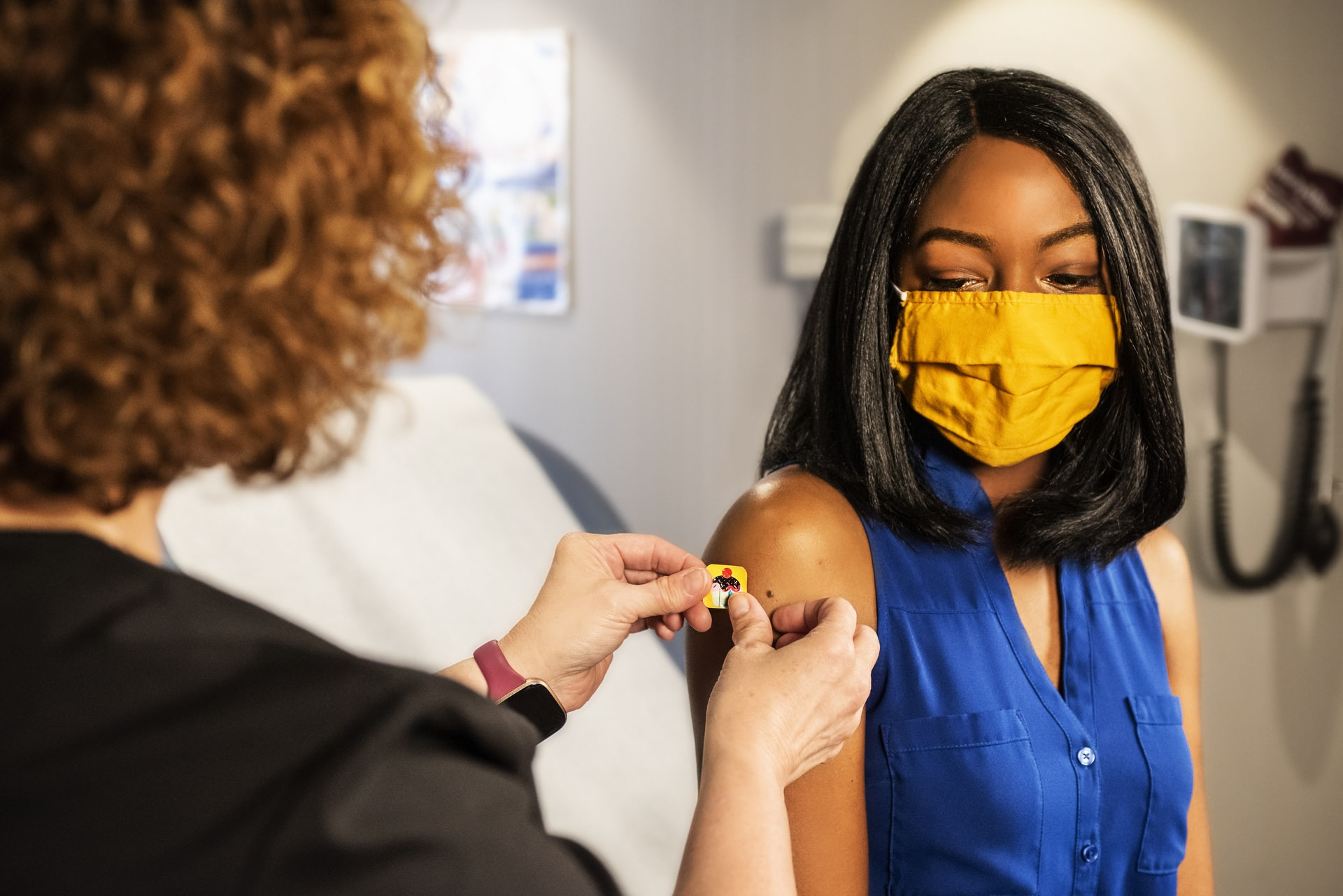
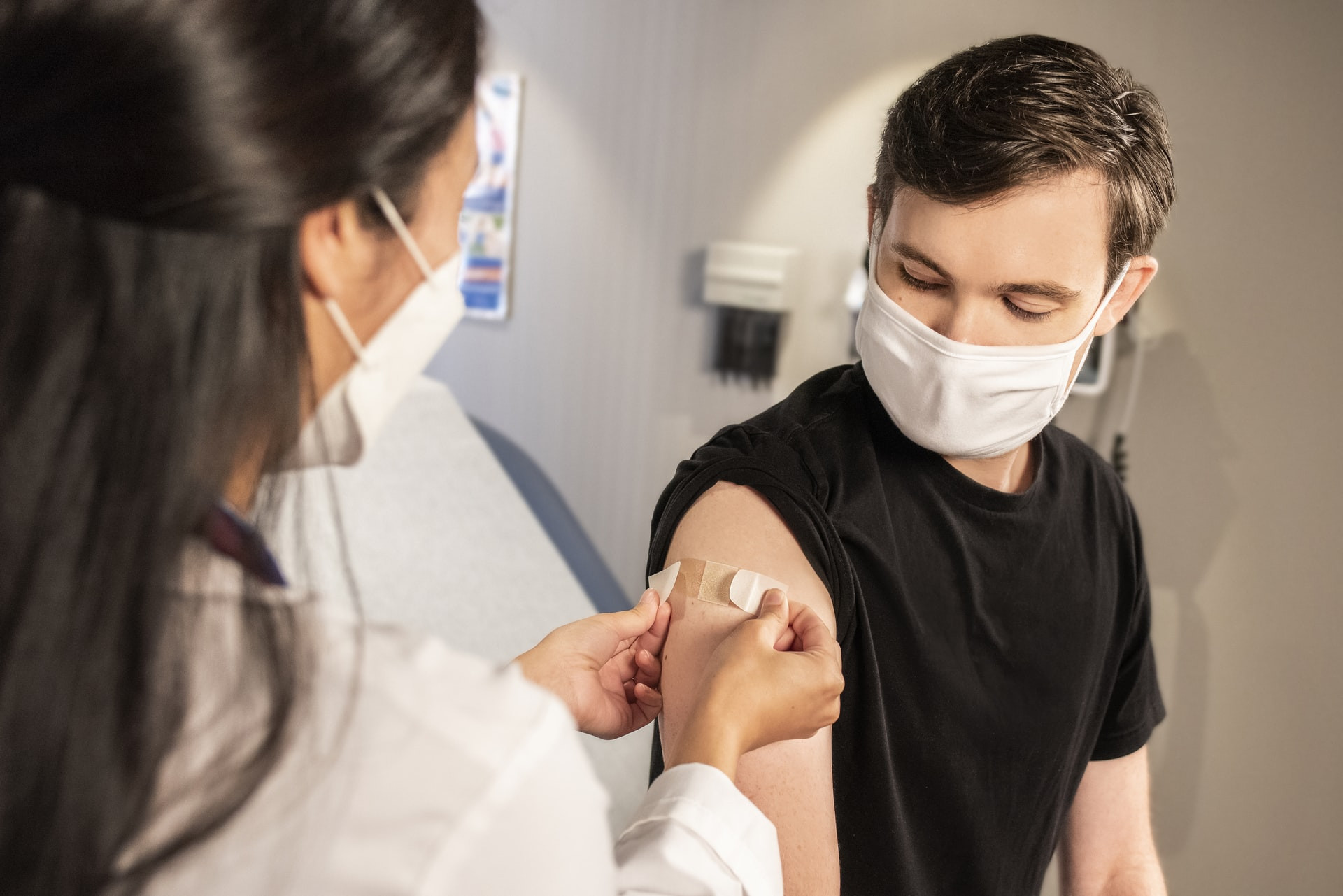
Untuk menurunkan gejala keparahan dan risiko kematian terkait Covid-19, WHO merekomendasikan pemenuhan vaksinasi dosis primer dan juga booster atau dosis vaksin tambahan, terutama bila Anda memiliki komorbid (penyakit penyerta) atau kondisi imunokompromais.
Mau tahu informasi dan artikel kesehatan mengenai penyakit Covid-19? Cek di sini, ya!
- dr Anita Larasati Priyono

National Institutes of Health (2021). Clinical Spectrum of SARS-CoV-2 Infection. Available from: https://www.covid19treatmentguidelines.nih.gov/overview/clinical-spectrum/
CDC (2021). Symptoms of COVID-19. Available from: https://www.cdc.gov/coronavirus/2019-ncov/symptoms-testing/symptoms.html
WHO. Coronavirus disease (COVID-19). Available from: https://www.who.int/health-topics/coronavirus#tab=tab_3
Infeksi Emerging (2022). Peta Sebaran Transmisi Lokal dan Wilayah Terkonfirmasi. Available from: https://infeksiemerging.kemkes.go.id/dashboard/covid-19
Mayo Clinic (2021). ARDS. Available from: https://www.mayoclinic.org/diseases-conditions/ards/symptoms-causes/syc-20355576
Mayo Clinic (2021). Sepsis. Available from: https://www.mayoclinic.org/diseases-conditions/sepsis/symptoms-causes/syc-20351214
CDC (2022). Benefits of Getting a COVID-19 Vaccine. Available from: https://www.cdc.gov/coronavirus/2019-ncov/vaccines/vaccine-benefits.html
Pedoman Tata Laksana Covid-19 Edisi 4 (2022)