
Alzheimer’s disease is a brain disorder that leads to progressive problems with memory, thinking, speaking, and concentration ability. Experts believe that a mix of genetic, environmental, and lifestyle factors starting as early as adolescence can influence how well the brain functions in later life.
In recent years, the MIND diet has gained attention because it is thought to support brain health and may help lower the risk of Alzheimer’s disease. So, what exactly is the MIND diet?
What is the MIND Diet?
According to WebMD, MIND stands for Mediterranean-DASH Intervention for Neurodegenerative Delay. This diet blends two well-known diets: the DASH diet (Dietary Approaches to Stop Hypertension), which is often recommended to help control high blood pressure, and the Mediterranean diet. Combining these two approaches is believed to improve brain health and help protect people against age-related conditions such as Alzheimer’s disease.
Many studies show that both the DASH and Mediterranean diets are among the healthiest diet overall. They have been linked to lower blood pressure and reduced risk of heart attacks, diabetes, and several other chronic diseases. Based on these findings, researchers developed the MIND diet to focus more specifically on maintaining brain function and helping to prevent dementia.
Tips for Implementing the MIND Diet
As summarized by the Mayo Clinic, the following eating habits are part of the MIND diet pattern:
1. Eat plenty of vegetables
The MIND diet emphasizes dark green leafy vegetables such as kale, spinach, collard greens, and lettuce. These vegetables provide important nutrients that support brain function, including folate, vitamin E, carotenoids, and flavonoids.
Research suggests that even a single serving of vegetables per day may help slow brain aging. To gain optimal benefits, the MIND diet recommends eating at least six servings of vegetables per week. In addition to leafy greens, you are encouraged to eat a variety of other vegetables with dense nutrient and low in calories.
2. Increase your berry intake
One study found that people who regularly ate berries such as blueberries and strawberries experienced slower cognitive decline. The flavonoids in berries are thought to help protect your health and reduce cell damage.
Although the study highlighted strawberries, you are encouraged to include different kinds of berries, such as blueberries, raspberries, and blackberries, at least twice a week.
3. Choose nuts as a snack
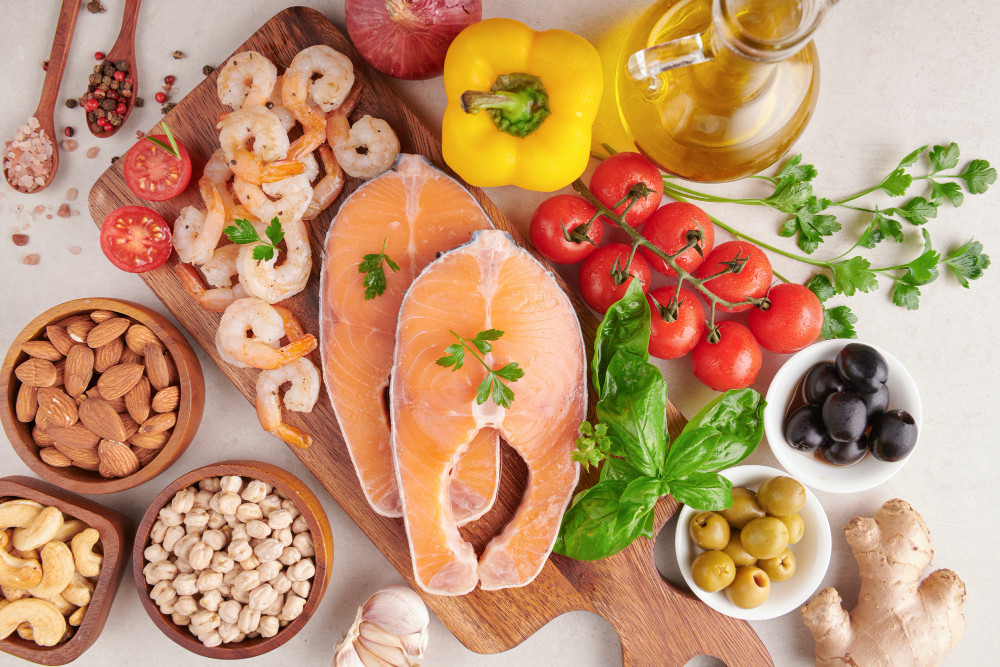
Nuts are sometimes avoided because they are considered high in calories and fat, but they are actually rich in vitamin E, which is beneficial for brain health. Within the MIND diet, nuts are recommended as a healthy snack at least five times per week. You can choose from various types of nuts, including almonds, walnuts, cashews, peanuts, and pecans.
4. Cook with olive oil
One key feature of the MIND diet is using olive oil as the main source of cooking fat. Instead of butter or margarine, it is better to use olive oil or extra virgin olive oil when preparing meals to support a healthier diet.
5. Eat fatty fish
The MIND diet also encourages eating fatty fish such as salmon, sardines, tuna, and mackerel, which are rich in omega-3 fatty acids. Studies have shown that older adults who consume fish tend to have better memory and cognitive performance compared with those who rarely eat fish or other seafood.
Although early research on the MIND diet appears promising, more studies are still needed to fully understand its long-term effects. If you are interested in trying this diet, talk to a doctor or nutritionist first, especially if you have other medical conditions.
Looking for information about nutrition, food and other diet tips? Click here!
- dr Hanifa Rahma
Pearson, K. (2017). The MIND Diet: A Detailed Guide for Beginners. Available from: https://www.healthline.com/nutrition/mind-diet
Mayo Clinic. (2019). Improve Brain Health with the MIND Diet. Availabe from: https://www.mayoclinic.org/healthy-lifestyle/nutrition-and-healthy-eating/in-depth/improve-brain-health-with-the-mind-diet/art-20454746
Sreenivas, S. (2021). What to Know About the MIND Diet. Available from: https://www.webmd.com/alzheimers/what-to-know-about-mind-diet
WebMD. (2021). Understanding Alzheimer’s Disease Basics. Available from: https://www.webmd.com/alzheimers/guide/understanding-alzheimers-disease-basics