Iron is an essential mineral found in plants, animals, and all living organisms. It plays a crucial role in the formation of hemoglobin, which is part of red blood cells responsible for transporting oxygen from the lungs to the rest of the body. Adequate iron intake is necessary for babies, children, and adults to stay healthy.
Iron Deficiency in Children
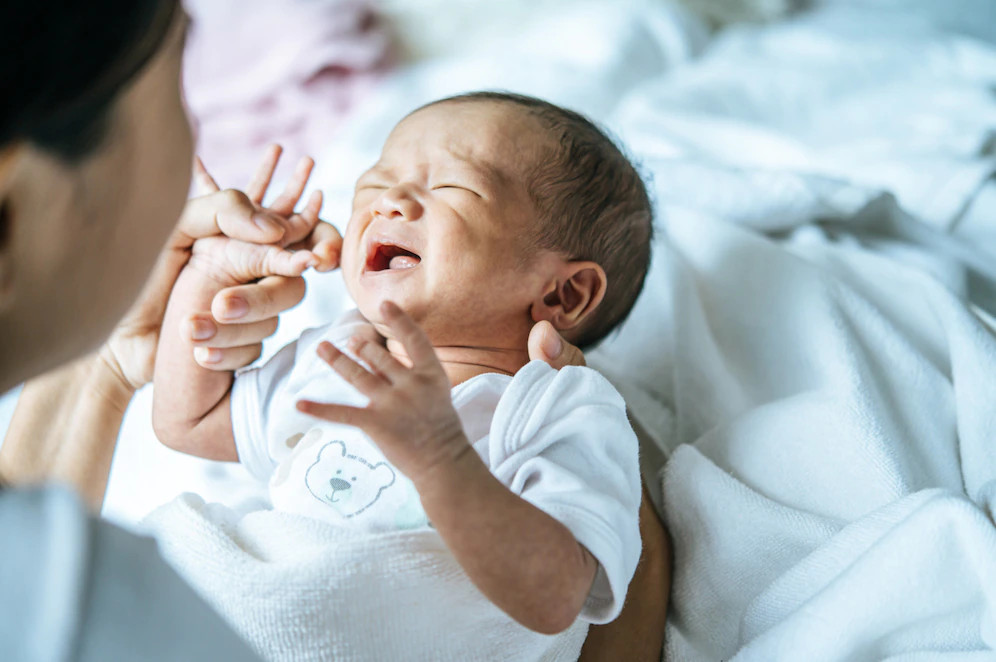
Iron deficiency is a common issue among children, especially toddlers and adolescent girls. When infants and toddlers lack sufficient iron, it can hinder their growth and lead to problems with learning and behavior.
Adolescent girls, in particular, are at risk of iron deficiency due to blood loss during menstruation. If their diet doesn't provide enough iron to compensate for the blood loss, iron deficiency may occur.
Iron-Rich Food Ideas for Children
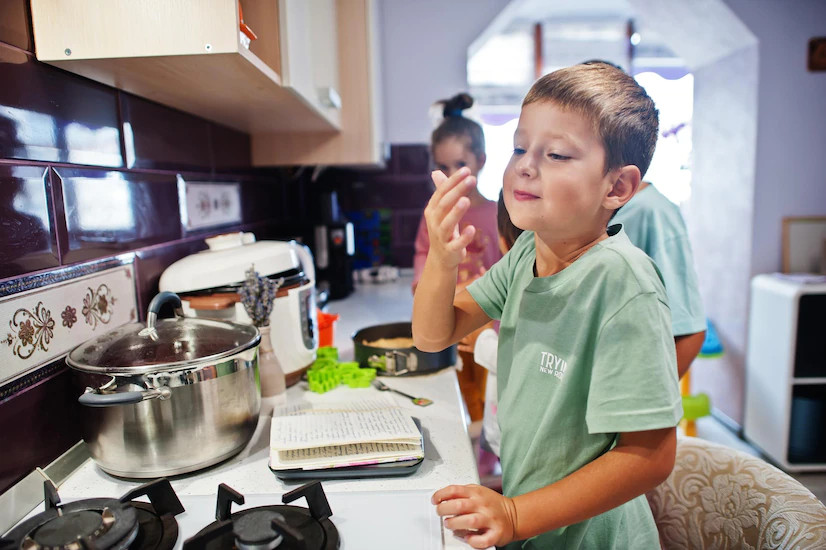
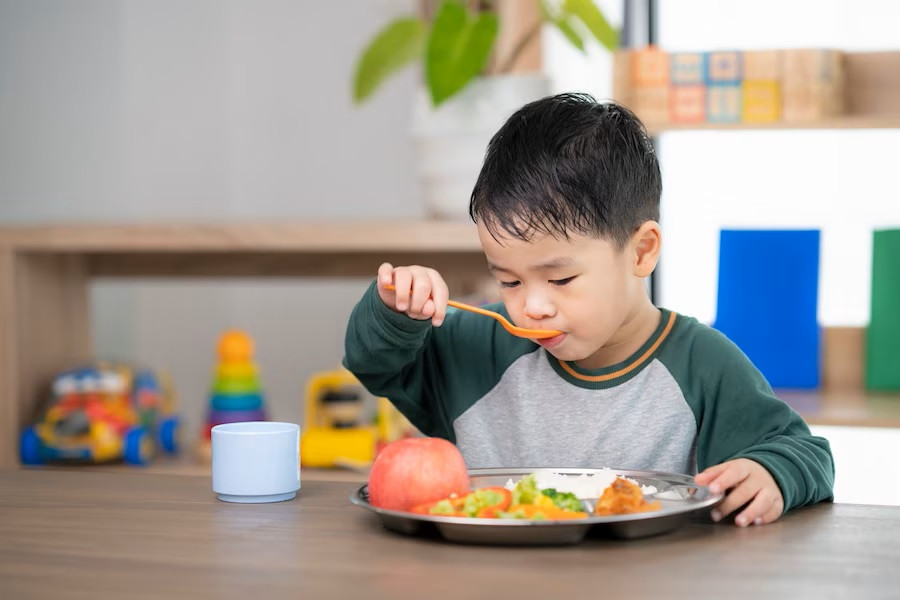
Starting at six months of age, babies begin eating solid foods and start obtaining more of their nutrients from their diet. Providing a variety of iron-rich foods for toddlers is essential to prevent iron deficiency and support their overall development.
Here are some iron-rich foods to consider:
Meat and Poultry
Meat and poultry are excellent sources of iron for toddlers. Red meats such as beef and lamb are rich in heme iron, which is more easily absorbed by the body than non-heme iron found in plant-based foods.
Poultry options like chicken, turkey, and duck also provide valuable iron. It's a good idea to mix up different types of meat and poultry to ensure toddlers get a balanced range of nutrients.
Spinach
Spinach is another great source of iron for toddlers, packed with additional nutrients like vitamin A, vitamin C, calcium, and fiber.
However, the iron in spinach is non-heme, which is less readily absorbed by the body compared to heme iron from animal sources. To enhance absorption, pair spinach with foods rich in vitamin C, such as oranges, tomatoes, or bell peppers.
Egg
Egg is a nutritious and accessible source of iron for toddlers. Along with iron, eggs are rich in protein, healthy fats, vitamin D, and vitamin B12, all of which are crucial for a child's growth and development.
Make sure to cook eggs thoroughly, as raw or undercooked eggs can increase the risk of salmonella infection. Cooking eggs to a minimum of 74°C ensures they are safe for consumption.
Tofu
Tofu is a plant-based source of protein and contains non-heme iron, the type of iron found in plant foods. Tofu also provides important nutrients such as calcium, phosphorus, and B-complex vitamins.
Some varieties of tofu may contain high levels of salt and monosodium glutamate (MSG), so it's important to choose tofu options with minimal added salt and consume them in moderation.
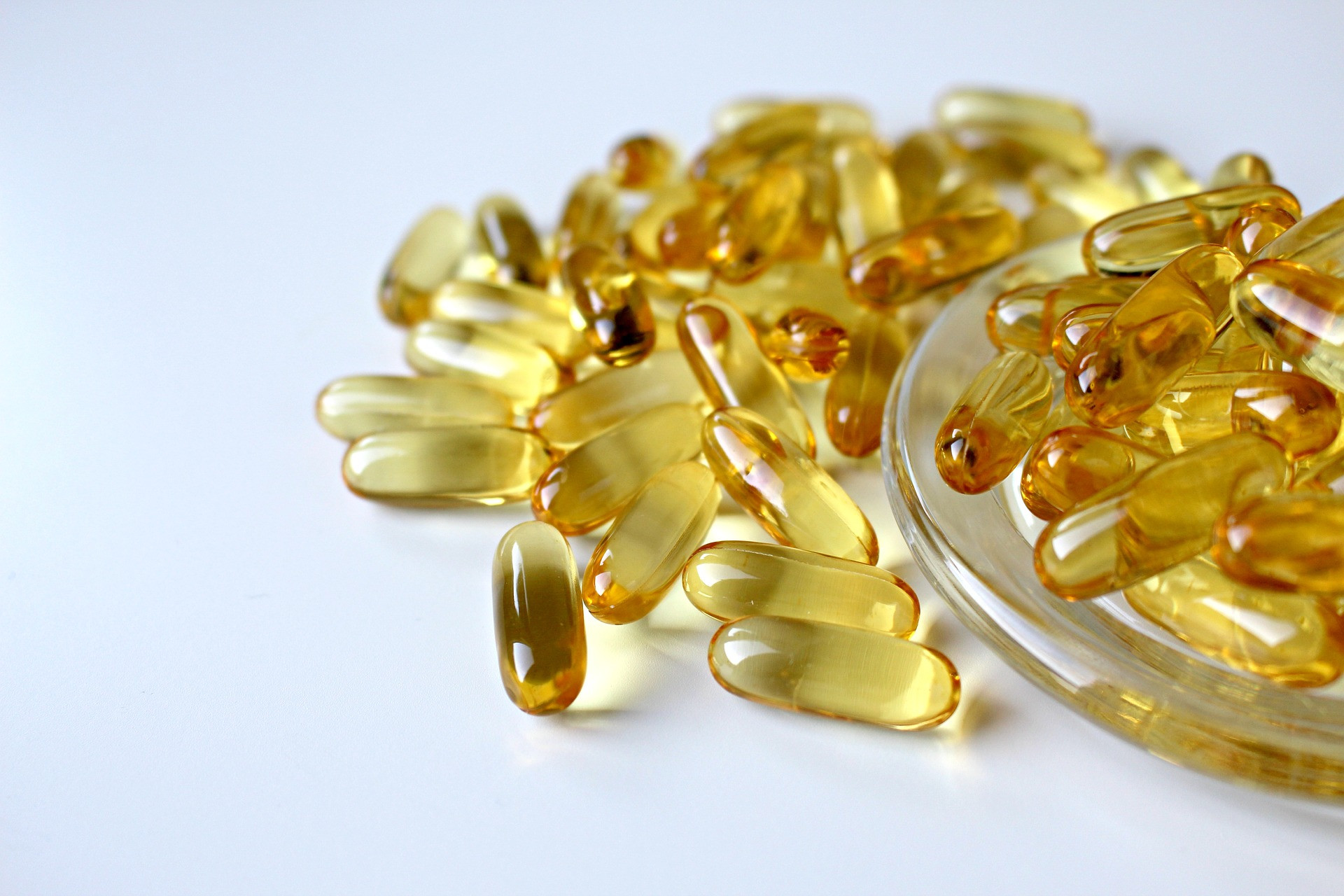
In addition to these iron-rich foods, babies and toddlers may need iron supplements, especially if they are exclusively breastfed. Always consult with a doctor before giving any iron supplements to ensure the right dosage for your child's needs.
For personalized advice, you can easily consult with a pediatric specialist using the Ai Care app, where you can get professional recommendations on supplements and nutritional needs for your child.
Looking for information about nutrition, food and other diet tips? Click here!
- dr Hanifa Rahma
Jacquelyn Cafasso (2020). 10 Iron-Rich Foods Your Toddler Needs. Available from: https://www.healthline.com/health/parenting/iron-rich-foods-for-toddlers
Mayo Clinic (2022). Iron deficiency in children: Prevention tips for parents. Available from: https://www.mayoclinic.org/healthy-lifestyle/childrens-health/in-depth/iron-deficiency/art-20045634
Kids Health (2021). Iron. Availabel from: https://kidshealth.org/en/parents/iron.html