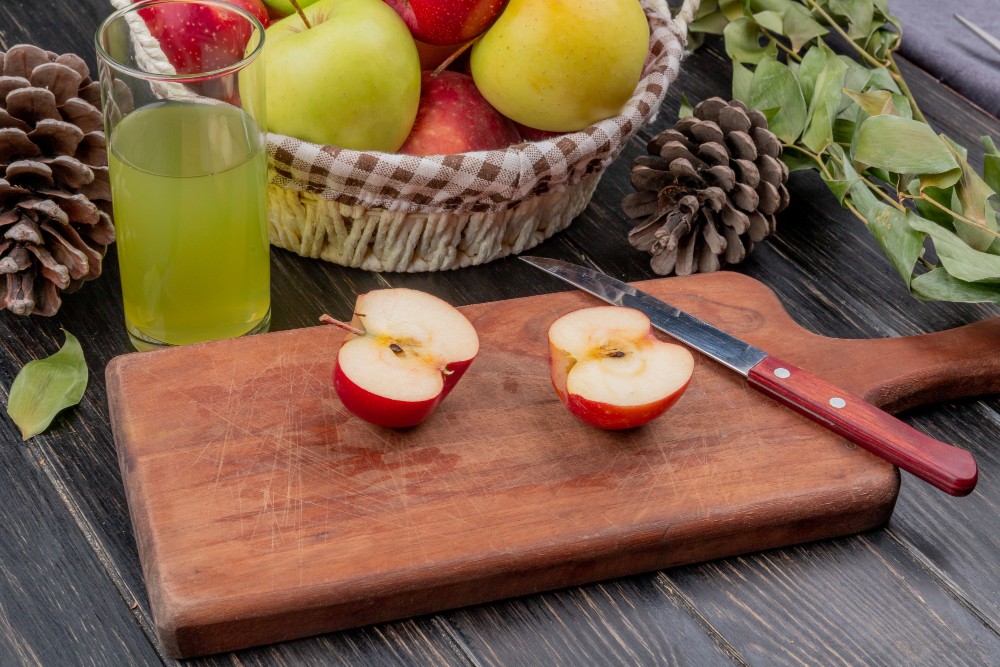
Diet BRAT merupakan pola makan yang terdiri dari makanan rendah serat dan mudah dicerna. Meskipun terkesan sederhana, diet ini memiliki sejumlah manfaat penting bagi mereka yang sedang mengalami masalah pencernaan. Apa saja manfaatnya? Simak penjelasannya dalam artikel berikut.
Apa itu Diet BRAT?
Diet BRAT merupakan singkatan dari Banana (pisang), Rice (nasi), Applesauce (sari apel), dan Toast (roti panggang). Pola makan ini rendah serat dan lemak, yang dirancang untuk tetap bisa memberikan asupan nutrisi dasar tanpa membebani sistem pencernaan.
Makanan dalam diet BRAT, seperti pisang, nasi putih, sari apel tanpa gula tambahan, dan roti panggang, mudah dicerna usus dan memiliki kemampuan menyerap kelebihan cairan di saluran cerna. Hal ini membantu meredakan iritasi pada usus dan mendukung proses pemulihan.
Baca Juga: Mengenal Diet BRAT, Pola Makan yang Dianjurkan Ketika Mengalami Gangguan Pencernaan
Cara Kerja Diet BRAT
Diet BRAT bersifat mudah dicerna dan ringan di perut, sehingga membantu sistem pencernaan yang sedang iritasi untuk beristirahat dan pulih tanpa tekanan berlebih. Makanan dalam diet ini juga tidak merangsang produksi asam lambung secara signifikan, sehingga sangat cocok untuk perut yang sedang sensitif.
Kandungan pati yang tinggi namun seratnya rendah membantu mengentalkan tinja yang encer dan mengurangi frekuensi buang air besar akibat diare.
Selain itu, karena makanan dalam diet BRAT tidak berbau menyengat, tidak berminyak, dan cenderung hambar, pola makan ini lebih mudah diterima saat perut mual atau setelah muntah mereda.
Manfaat Utama Diet BRAT
Ada beberapa manfaat yang bisa Anda dapatkan dengan menjalani diet BRAT, di antaranya:
- Membantu meredakan diare.
- Mengurangi iritasi lambung.
- Mencegah dehidrasi.
- Menyediakan energi tanpa membebani sistem pencernaan.
- Mendukung pemulihan lebih cepat dengan mengurangi beban kerja pada saluran pencernaan.
Baca Juga: Kapan Harus Memeriksakan Diri ke Dokter bila Mual dan Muntah
Tips Menjalani Diet BRAT
Diet BRAT tidak menyediakan nutrisi lengkap karena rendah protein, lemak sehat, serta vitamin dan mineral penting. Oleh karena itu, diet ini sebaiknya hanya dijalani selama 1-2 hari dan tidak digunakan dalam jangka panjang.
Beberapa tips saat menjalani diet BRAT antara lain:
- Makan dalam porsi kecil namun sering untuk mengurangi risiko mual dan muntah.
- Konsumsi makanan setiap 2-3 jam agar perut tetap nyaman.
- Hindari makanan tinggi lemak, pedas, tinggi serat, serta minuman bersoda, kopi, dan alkohol selama gangguan pencernaan.
- Pastikan kebutuhan cairan terpenuhi dengan minum air putih, air kelapa, kaldu bening, atau larutan oralit.
Jika gejala gangguan pencernaan yang dirasakan tidak kunjung membaik, atau muncul gejala lain seperti demam tinggi, adanya darah di tinja, lemas, dehidrasi, kesulitan makan dan minum sama sekali, sebaiknya konsultasikan dengan dokter untuk mendapatkan evaluasi dan pengobatan lebih lanjut.
Anda juga bisa memanfaatkan layanan konsultasi pada aplikasi Ai Care yang dapat diunduh melalui App Store atau Play Store untuk mendapatkan bantuan medis lebih cepat dan praktis.
Mau tahu informasi seputar nutrisi, makanan dan tips diet lainnya? Cek di sini, ya!
- dr Nadia Opmalina

Jillian Kubala, RD (2025). BRAT Diet: What To Eat When You Have a Stomach Virus or Diarrhea. Available from: https://www.health.com/brat-diet-7253461
Jayne Leonard (2024). What to know about the BRAT diet. Available from: https://www.medicalnewstoday.com/articles/318255
Barbara Bolen, PhD (2025). A Guide to the BRAT Diet. Available from: https://www.verywellhealth.com/what-is-the-brat-diet-p2-1945032