Calcium is an essential mineral for humans. It helps to keep bones and teeth healthy and strong.
Because the body cannot make calcium on its own, you must obtain it from food or, if needed, from calcium supplements.
What Are the Benefits of Calcium?
Calcium has several key roles in the body, including:
- Promote strong, healthy bones and teeth
- Help to regulate muscle contractions
- Assist the blood-clotting process
- Help to lower the risk of high blood pressure
- Help to increase levels of HDL (good) cholesterol
- Help to reduce the risk of colorectal adenoma (a noncancerous tumor)
Impact of Calcium Deficiency on the Body
Calcium deficiency can lead to various health problems such as lowered adult height in those who had calcium deficiency during childhood and loss of bone mass, which raises the risk of osteoporosis.
In addition, low calcium levels can cause hypocalcemia. Typical features include frequent muscle cramps (especially in the back and legs), dry and cracked skin, ridged and brittle nails, and hair that breaks easily.
If hypocalcemia progresses, it can affect the nervous system and mental health, with symptoms such as:
- Confusion
- Memory impairment
- Fatigue
- Irritability
- Depression
- Hallucinations
Severe hypocalcemia that signals very low blood calcium levels in your serum may present with:
- Tingling sensation of the lips, tongue, and fingers or toes
- Muscle pain
- Muscle spasms that may cause breathing difficulty
- Muscle stiffness and cramping
- Convulsions
- Arrhythmia (irregular heartbeat)
- Heart failure
How Much Calcium Does the Body Need?
Daily calcium needs vary by age and sex. Below are the recommended amounts:
Adult Men
- 19-50 years old: 1,000 mg
- 51-70 years old: 1,000 mg
- 71 years old and over: 1,200 mg
Adult women
- Pregnant and breastfeeding: 1,000–1,300 mg, depending on age
- 19-50 years old: 1,000 mg
- 51 years old and over: 1,200 mg
Children and adolescents
- 1-3 years old: 700 mg
- 4-8 years old: 1,000 mg
- 9-18 years old: 1,300 mg
Food Sources High in Calcium
To function well, the body requires adequate calcium intake. You can get calcium from the following foods and drinks:
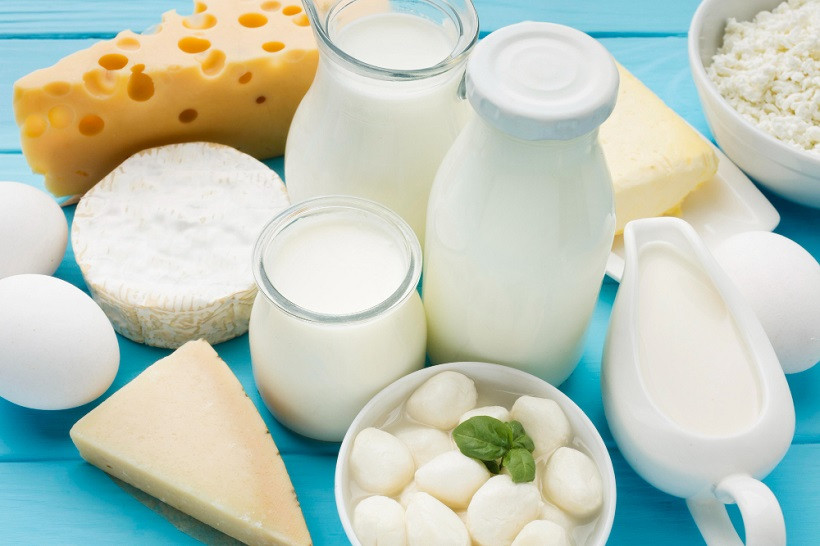
- Dairy products – Milk, yogurt, and cheese provide high amounts of calcium that the body absorbs readily.
- Soybeans – Half a cup of soybeans supplies at least 230 mg of calcium. Soybeans are a good option for people who need calcium but are lactose intolerant and avoid dairy.
- Green vegetables – Leafy greens such as mustard greens and spinach are useful calcium sources. Eating half a cup of these vegetables provides about 175 mg of calcium.
- Canned salmon – Certain canned fish, such as salmon, offer calcium and are also fortified with vitamin D. Vitamin D supports proper calcium absorption.
- Fortified foods and beverages – Calcium-fortified items like cereals or packaged fruit juices can help you meet daily calcium needs.
Nuts and seeds – Almonds, sesame seeds, and chia seeds contribute calcium and can be added to everyday meals.
Beyond food, calcium can also come from supplements. To avoid excessive intake, discuss the appropriate dose with your doctor first.
Remember that calcium supplements may cause side effects such as bloating, constipation, gas, and abdominal discomfort. Whenever possible, aim to meet your needs through calcium-rich foods, which are typically easier to digest and less likely to cause side effects.
Looking for information about nutrition, food and other diet tips? Click here!
- dr Hanifa Rahma
Mayo Clinic (2022). Calcium and calcium supplements: Achieving the right balance. Available from: https://www.mayoclinic.org/healthy-lifestyle/nutrition-and-healthy-eating/in-depth/calcium-supplements/art-20047097
Tim Newman (2020). Benefits and sources of calcium. Available from: https://www.medicalnewstoday.com/articles/248958
WebMD (2020). Healthy Foods High in Calcium. Available from: https://www.webmd.com/diet/foods-high-in-calcium
KidsHealth (2021). Calcium. Available from: https://kidshealth.org/en/parents/calcium.html
Cleveland Clinic (2022). Hypocalcemia. Available from: https://my.clevelandclinic.org/health/diseases/23143-hypocalcemia