Definition
A neonate refers to an infant in the first 28 days of life. These initial four weeks are a period of rapid changes for the baby. Seizures in neonates are sudden, abnormal conditions resulting in changes in brain activity, leading to seizures. Neonatal seizures have distinct characteristics and presentations compared to seizures in older infants and children and can indicate serious neurological disorders.
During this period, a baby's brain tissue is still developing, and some brain areas have not yet fully matured. Seizures in infants are relatively common and are one of the reasons parents visit emergency rooms. It's crucial to prevent and recognize the symptoms of seizures in babies.
Causes
Several causes of neonatal seizures can be treated to stop the seizures. These causes typically require examination and emergency management, categorized as follows:
- Metabolic imbalances: such as low levels of blood sugar, calcium, magnesium, or abnormal sodium levels in the blood
- Hypoxia: resulting from a lack of oxygen in the blood before or during birth, such as due to a compressed or suddenly detached placenta or prolonged labor, reducing oxygen delivery to brain tissue.
- Intracranial hemorrhage: bleeding within the baby's skull.
- Infections: infections of the brain membranes or brain tissue caused by bacteria or viruses, and infections occurring during pregnancy.
- A birth defect that causes the baby to lack vitamins and enzymes that are important in the body's metabolic processes
- Blood clots: clots obstructing blood vessels in the baby's brain
- Epileptic syndromes: recurrent seizures without an exact cause
- Brain malformations: abnormal brain structures from birth
Risk Factor
Factors increasing the risk of seizures within the first 28 days of life include:
- Premature birth (before 37 weeks) or post-term birth (after 40 weeks)
- Low birth weight (less than 2.5 kg) or high birth weight (over 4 kg)
- Male gender
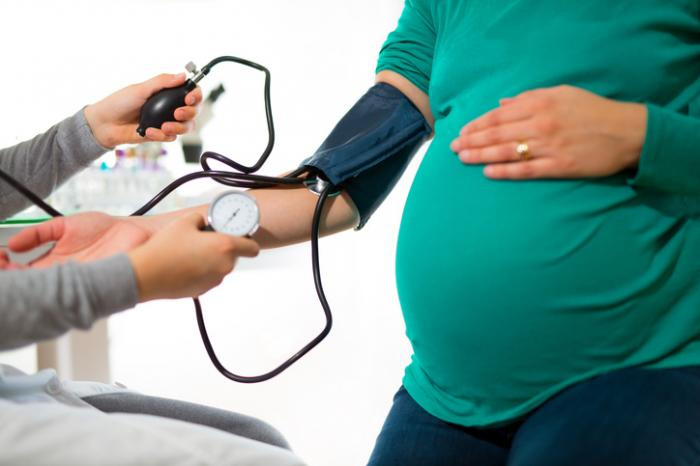
- Maternal health issues such as diabetes, preeclampsia, or obesity during pregnancy
- Maternal smoking
- Complications during pregnancy, requiring special medical care at birth due to poor health
- Family history of seizures
The risk of neonatal seizures increases with the mother's age during pregnancy. Recognizing these risk factors is important for diagnosing seizures in neonates.
Symptoms
Neonatal seizures vary in form, including rhythmic and repetitive movements in the face, chest, arms, and legs, which may spread to other body parts. Other forms include body stiffness, asymmetrical posture, and sideways eye movements. Seizures might also appear as quick, non-repetitive muscle contractions, typically in the upper arms, chest, or face.
Additional symptoms include tongue protrusion and chewing or puckering lip movements. Sometimes, the baby's legs move as if pedaling. Sudden changes in vital signs in a baby with a history of seizures might indicate an ongoing seizure. The baby may appear tired and sick between seizures or have long pauses in breathing.
Diagnosis
Doctors will interview the baby's family to understand the mother's pregnancy history, especially any diseases and family medical history. The timing of seizures can suggest their cause; if seizures occur within 12-24 hours after birth, they might result from brain damage due to low oxygen levels. Pregnancy histories such as miscarriages (indicating possible genetic factors), diabetes, preeclampsia, infections during pregnancy, and medication use can cause neonatal seizures.
Monitoring and assessing the seizures can reveal their cause if they affect specific parts of the body. Additional tests that may be performed to aid diagnosis include:
- Blood sugar and electrolyte levels
- Complete blood count, blood cultures, and inflammation markers
- Kidney function tests
- Cerebrospinal fluid analysis to detect infection, amino acid concentration, and glucose levels
- TORCH infection screening (Toxoplasma, Rubella, CMV, Herpes)
- CT scan, MRI, or EEG (electrical brain activity recording)
Management
Initial therapy for a seizing baby focuses on maintaining a stable airway and circulation. An intravenous line is placed for medication administration. Further examinations are conducted to identify the seizure's underlying cause, followed by appropriate treatment. The first-line anticonvulsant for neonates is phenobarbital. Doctors will closely monitor and aggressively manage the infant to prevent further complications.
In cases of seizures due to electrolyte imbalances, immediate and closely monitored correction is essential. For metabolic disorders, breastfeeding or other intake might be temporarily stopped and replaced with intravenous fluids. Intracranial hemorrhage requires urgent surgical intervention. Rapid head circumference growth may indicate fluid accumulation in the brain.
Complications
Complications in babies that experience seizures can come from these seizures and from the treatment of seizures. When giving drugs to stop seizures, the complications that can occur are lack of oxygen in the blood or accumulation of carbon dioxide in the blood. If this continues, it can cause cardiac arrest in the baby.
Therefore, the administration of anti-seizure drugs also requires strict supervision from a doctor. In addition, other complications that can occur due to seizures in neonates are:
- Cerebral palsy (CP)/muscular rigidity: CP is an abnormality where children have difficulty moving and maintaining balance and body posture
- Brain tissue that shrinks (atrophy) or builds up brain fluids
- Epilepsy occurred in half the cases of babies having seizures
- Difficulty in eating food
- Mental retardation or disorders in the development of babies
The complications of seizures can be permanent due to damage to brain tissue from low oxygen flow and too high brain activity.
Prevention
Genetic disorders cannot be prevented, but several measures can reduce the risk of neonatal seizures:
- Regular prenatal check-ups, laboratory tests, and doctor-recommended supplements during pregnancy, treating any arising conditions
- Routine antenatal care
- Delivery under trained healthcare supervision
- Early seizure treatment
When to See a Doctor?
Seizures are emergencies that can cause heart and respiratory problems. Do not put objects or liquids in the mouth of a seizing baby. Go to the nearest hospital immediately for treatment and examination if seizures:
- Last more than 5 minutes or recur within minutes
- Are accompanied by neck stiffness
- Result in decreased consciousness, lethargy, or inactivity
- Cause bulging fontanelles
- Lead to breathing difficulties or long pauses between breaths
- dr. Alvidiani Agustina Damanik
Krawiec, C., Muzio, M. (2021). Neonatal Seizure. NCBI StatPearls. Available from: https://www.ncbi.nlm.nih.gov/books/NBK554535/.
Pisani, F., Facini, C., Bianchi, E., Giussani, G., Piccolo, B., Beghi, E. (2020). Risk factors for neonatal seizures: A case–control study in the province of Parma, Italy. Epilepsy & Behavior, 107, 107075.
Hellstrom-Westas, L., Amer-Wahlin, I., Agren, J., Kallen, K. (2021). Incidence and Risk Factors for Neonatal Seizures in Sweden. Archives of Disease in Childhood.
Sheth, R. (2021). Neonatal Seizures Treatment & Management: Medical Care, Seizure Medications. Available from: https://emedicine.medscape.com/article/1177069-treatment.
Centers for Disease Control and Prevention (2021). What is Cerebral Palsy?. Available from: https://www.cdc.gov/ncbddd/cp/facts.html.
Laino, D., Mencaroni, E., & Esposito, S. (2021). Management of Pediatric Febrile Seizures. NCBI PMC. Available from: https://www.ncbi.nlm.nih.gov/pmc/articles/PMC6210946/.
USCF. Neonatal Seizures. Retrieved December 27th, 2021, from: https://www.ucsfbenioffchildrens.org/conditions/neonatal-seizures.