Definition
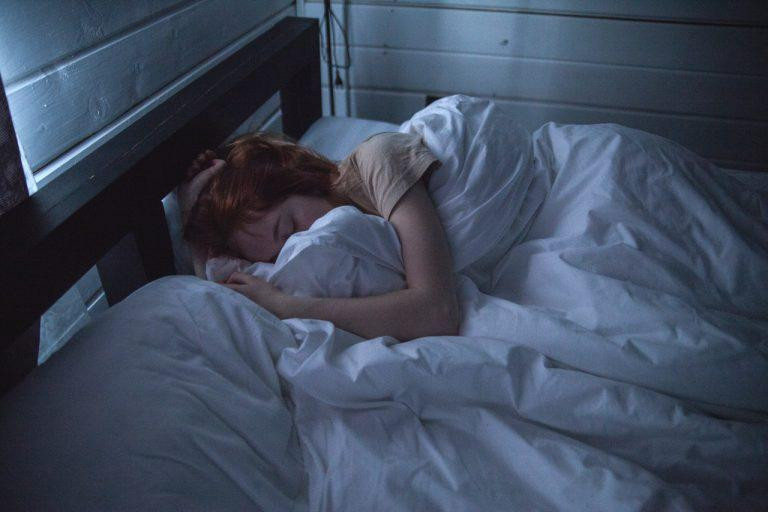
Nocturnal seizures are a symptom of epilepsy, a disorder of brain nerve activity that causes seizures. Epileptic seizures can occur during daily activities and/or during sleep. Epilepsy can only be diagnosed if there are two or more unprovoked seizures with at least 24 hours between each seizure.
Causes
During sleep, humans go through two sleep phases: non-rapid eye movement (NREM) and rapid eye movement (REM). Typically, sleep begins with the NREM phase, which consumes less energy than the REM phase, and then transitions to the REM phase, the deep sleep phase where dreams occur. This phase transition forms a sleep cycle that lasts about 70-120 minutes. In a night's sleep session, humans usually experience about 3-4 sleep cycles. In the NREM phase, brain cells more frequently emit electrical signals simultaneously, making it easier for disruptions that cause seizures to occur.
Usually, this electrical flow disruption begins in the sides of the brain, known as the temporal lobes. However, in seizures that occur during sleep, the disruption more often starts in the front part of the brain, known as the frontal lobes.
The types of epilepsy associated with nighttime seizures differ between children and adults. In children, types of epilepsy often linked to nighttime seizures include benign rolandic epilepsy, juvenile myoclonic epilepsy, and Landau-Kleffner syndrome. In adults, epilepsy associated with nighttime seizures is typically frontal lobe epilepsy.
Risk Factor
The risk factors for nocturnal seizures depend on the type of epilepsy but are more common in childhood. Benign rolandic epilepsy can occur at ages 1-14 years, peaking at 7-10 years. This epilepsy is more common in boys than girls. However, this epilepsy tends to disappear with age. Juvenile myoclonic epilepsy more frequently occurs in teenagers aged 12-18 years and is linked to genetic factors. It is often triggered by lack of sleep, alcohol consumption, emotional stress, anxiety, fatigue, and exposure to flashing lights, whether from sunlight, TV, or computers. Landau-Kleffner syndrome is very rare and is related to genetic and autoimmune factors (the body's immune system attacking its cells). In frontal lobe epilepsy, risk factors can include a history of brain tumors, head trauma, vascular malformations, brain tissue infections (encephalitis), and congenital factors.
Symptoms
Seizures during sleep are often difficult to recognize. Possible symptoms include sudden crying or screaming during sleep, body jerking or stiffness, bedwetting or biting the tongue during a seizure, falling out of bed, difficulty waking up after a seizure, suddenly waking up at night, and performing unusual movements during sleep. In benign rolandic epilepsy, other common symptoms include drooling and facial muscle twitching. Meanwhile, Landau-Kleffner syndrome usually involves speech regression and behavioral disorders such as inability to focus, hyperactivity (being overly active without regard to time and situation), and emotional disturbances. In frontal lobe epilepsy, common symptoms include repetitive, purposeless movements that occur unconsciously. These events are typically brief, lasting less than 30 seconds to 5 minutes. Seizures during sleep are often reported by parents or others living with the sufferer.
Diagnosis
Nocturnal seizures are part of epilepsy, so a diagnosis can be made with an EEG (electroencephalogram) test. This test aims to observe electrical waves in different parts of the brain, and in this case, it is performed while the patient is preparing to sleep until waking up. This test is often accompanied by video recording during sleep to observe movements related to seizures.
Additionally, laboratory tests can be conducted to find other possible causes of seizures besides electrical disturbances in the brain, such as electrolyte issues like sodium and magnesium levels. Genetic tests may be performed if there is a family history of epilepsy. Imaging, such as Magnetic Resonance Imaging (MRI) and positron emission tomography (PET) scans, can detect brain tissue abnormalities.
Management
The treatment of nocturnal seizures depends on the type of epilepsy. Anti-seizure medications can be given routinely for 1-2 years seizure-free. For pregnant women with epilepsy, higher doses of folic acid are provided to prevent neural defects in the baby (normally, folic acid is a mandatory supplement for pregnant women). In Landau-Kleffner syndrome, due to speech and behavioral disorders, the child will undergo speech and behavioral therapy. Typically, behavioral therapy with a psychomotor specialist is conducted before speech therapy.
Other therapies include surgery to remove the part of the brain suspected to be the source of the epileptic electrical waves. This surgery is generally considered successful if there are no triggering waves after surgery and is reported to be effective in 20-50% of cases.
Another alternative is nerve stimulation devices. Nerve stimulation can be performed on the vagus nerve, which regulates organ activities during rest. This stimulation device can be implanted surgically.
Diet regulation can also help treat nocturnal seizures. A ketogenic diet, which is low in carbohydrates and high in fat, can improve this condition. Consult with a nutritionist about this diet for you or your child. This diet can increase gamma-aminobutyric acid (GABA), a brain substance that can inhibit various electrical activities in the brain, thus reducing the risk of seizures.
Complications
Nocturnal seizures can cause several common complications. They can disrupt sleep, causing the sufferer to wake up feeling drowsy during daily activities. This can also lead to more frequent daytime seizures due to lack of sleep. The most severe complication of epilepsy is death, known as sudden unexpected death in epilepsy (SUDEP). The exact cause of SUDEP is unknown but is thought to be due to the brain's inability to regulate breathing, electrical activity disturbances in the heart, and the nervous system's inability to maintain organ function.
Specific complications can also occur with certain types of epilepsy. For example, Landau-Kleffner syndrome can affect a child's speech and behavior that was previously normal.
Prevention
Nocturnal seizures in children are often not preventable. However, preventing head trauma, such as by using helmets while riding motor vehicles, can help reduce the risk of seizures.
When to See a Doctor?
See a doctor immediately if you or your child experiences symptoms such as unconscious repetitive movements during sleep, screaming, stiffness, or sudden jerking while sleeping. Bedwetting can be a symptom of nocturnal seizures, but if it occurs alone, other conditions may be possible. If you or your child has a known epilepsy condition, consult a doctor if experiencing the following symptoms:
- Difficulty concentrating
- Waking up without reason
- Frequent drowsiness during daily activities
- Seizures during daily activities due to lack of sleep
Looking for more information about other diseases? Click here!
- dr. Alvidiani Agustina Damanik
Amrutkar, C., & Riel-Romero, R. (2021). Juvenile Myoclonic Epilepsy. Retrieved 9 December 2021, from https://www.ncbi.nlm.nih.gov/books/NBK537109/
Amrutkar, C., & Riel-Romero, R. (2021). Rolandic Epilepsy Seizure. Retrieved 9 December 2021, from https://www.ncbi.nlm.nih.gov/books/NBK534845/
Lanigar, S., & Bandyopadhyay, S. (2017). Sleep and Epilepsy: A Complex Interplay. Retrieved 9 December 2021, from https://www.ncbi.nlm.nih.gov/pmc/articles/PMC6139974/
Muzio, M., Cascella, M., & Khalili, Y. (2021). Landau Kleffner Syndrome. Retrieved 9 December 2021, from https://www.ncbi.nlm.nih.gov/books/NBK547745/
Nocturnal Seizures. (2021). Retrieved 9 December 2021, from https://www.hopkinsmedicine.org/health/conditions-and-diseases/epilepsy/nocturnal-seizures
Nocturnal Seizures | Cedars-Sinai. (2021). Retrieved 9 December 2021, from https://www.cedars-sinai.org/health-library/diseases-and-conditions/n/nocturnal-seizures.html
Rosengard, J. (2018). Frontal Lobe Epilepsy: Practice Essentials, Background, Etiology. Retrieved 9 December 2021, from https://emedicine.medscape.com/article/1184076-overview#showall
Yetman, D., & Morris, S. (2021). Identifying and Treating Nocturnal Seizures or Seizure in Sleep. Retrieved 9 December 2021, from https://www.healthline.com/health/epilepsy/nocturnal-seizures#diagnosis