Definition
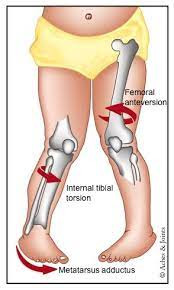
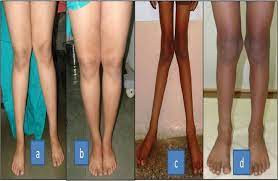
Genu valgum, commonly known as knock-knees, is a condition where the lower legs are misaligned, causing the knees to come together while the ankles remain widely spaced apart. This is a common abnormality seen in children, particularly when they stand with their knees close to each other, creating an X-shape with their legs.
Genu valgum is often first observed in toddlers around the age of 4. This condition is considered a normal part of childhood development, and in most cases, the legs straighten out naturally by the time a child reaches 6 to 7 years old.
Mild cases of genu valgum may persist into adulthood but are usually not a concern unless they cause discomfort or other issues. However, if the condition occurs in older children or adults, or if it doesn't improve over time, it may indicate an underlying issue that requires medical attention.
Causes
Genu valgum can occur as part of normal growth, but it can also be caused by other factors. Here are some potential causes:
-
Injury or infection: Damage to the knee or leg can lead to misalignment and result in genu valgum.
-
Bone deformities: Conditions like rickets, a disease caused by a deficiency of vitamin D and calcium, can lead to weakened bones and cause misalignment of the legs.
-
Other bone diseases: Certain bone disorders can cause abnormal bone development and contribute to the condition.
-
Obesity: Excessive weight can place increased pressure on the knees, leading to misalignment over time.
-
Arthritis: Joint inflammation, such as in the case of knee arthritis, can lead to genu valgum, especially in adults.
-
Genetic conditions: Some genetic conditions can affect bone and joint development, potentially causing knock-knees.
-
Multiple epiphyseal dysplasia: This is a bone and cartilage condition that affects the ends of long bones and can contribute to genu valgum.
-
Tumors: Rarely, tumors that affect the bone structure can lead to leg misalignment.
Adults can also experience genu valgum, particularly in association with joint conditions like osteoarthritis or rheumatoid arthritis.
Risk Factor
Genu valgum is slightly more common in girls than in boys, and it is most commonly observed in children between the ages of 3 and 5. However, it can occur in children as young as 2 or as old as 8 years.
Several factors increase the risk of developing genu valgum, including:
- History of infection or injury
- Vitamin D deficiency or rickets
- Obesity
- Bone dysplasia
- Lysosomal storage diseases
Symptoms
In children, genu valgum (knock-knees) may not cause any symptoms other than the noticeable abnormal shape of the legs, often appearing X-shaped when standing. However, as the condition progresses, additional symptoms may develop, including:
-
Stiffness in the joints
-
Knee pain
-
Limping gait
-
Difficulty walking
-
Impaired balance while walking
Additionally, the misalignment can put strain on surrounding muscles and tissues, leading to discomfort in the hips, ankles, or feet.
Diagnosis
To diagnose genu valgum, the doctor will begin by asking about the child’s medical and family history. This information helps differentiate between physiological genu valgum (normal in childhood development) and pathological genu valgum (caused by underlying conditions).
The doctor will also inquire about any symptoms your child is experiencing. Following this, a physical examination will be conducted, which includes:
-
Assessing the child’s gait
-
Observing the shape of the legs
-
Measuring the width between the ankles and the length of the legs
-
Performing various leg movements to evaluate the range of motion
A general examination may also be carried out to check for signs of underlying conditions such as rickets, bone dysplasia, Maffucci syndrome, or other genetic disorders.
In cases of physiological genu valgum, X-rays or radiological examinations are generally not needed. However, if genu valgum is suspected to be pathological, or if symptoms worsen over time after age 7, X-rays may be ordered to assess the severity and progression. These exams might also be recommended if the doctor observes:
-
Asymmetry in leg measurements
-
Severe genu valgum at an unusual age
-
Short stature
-
History of injury or infection
-
Discrepancy in leg length
CT scans or MRIs are rarely required but may be used if a tumor or malignancy is suspected.
In certain cases, laboratory tests may be conducted to identify underlying conditions. For example, if rickets is suspected, the doctor may order blood tests to check calcium, phosphate, vitamin D, and parathyroid levels. Genetic testing may be recommended if a specific syndrome is suspected.
Management
For children under 6 years old with physiological genu valgum, monitoring is often the recommended approach if the leg curvature is less than 15°. In most cases, the condition improves on its own without affecting bodily function. Continued observation for 1 to 2 years after diagnosis is also common, as genu valgum frequently resolves naturally.
Bracing is typically not recommended for treating genu valgum unless there are other underlying issues.
The treatment for genu valgum varies depending on the cause and severity of the condition. For example, if rickets is the cause, the doctor will likely prescribe vitamin D and calcium supplements to address the nutritional deficiency.
Here are some potential treatment options:
Weight Loss
If obesity or excess weight is contributing to the condition, losing weight can reduce pressure on the knees and help improve alignment. Your doctor may suggest a healthy eating plan to support weight loss.
Exercise
Specific exercises can help realign the body and stabilize it while standing or walking. The doctor or therapist will assess the child's gait and recommend exercises to strengthen the leg, hip, and thigh muscles.
Stretching exercises can also relieve symptoms by reducing muscle tension.
Surgery
If the genu valgum is severe or does not respond to non-surgical treatments, surgery may be necessary.
There are two types of surgery commonly performed:
- Guided Growth Surgery
- A small metal rod is inserted into the knee to help guide bone growth and improve alignment over about a year. The rod is removed once bone growth has improved.
- Osteotomy
- This procedure involves placing a permanent metal rod to maintain the proper alignment of the bone. It ensures the leg
Complications
If pathological (abnormal) genu valgum is not identified and treated in a timely manner, it can lead to complications such as repetitive pressure on the knee joint. This pressure increases the risk of developing arthritis, a condition marked by inflammation in the joints.
Post-surgical complications can also arise, including:
-
Infection
-
Deformities in bone shape
-
Damage to blood vessels or nerves
Prevention
Currently, there are no definitive methods to prevent genu valgum from occurring. However, certain steps can help reduce the risk:
- Consuming foods high in vitamin D, such as egg yolks, milk, and seafood
- Staying at a healthy weight
- Always use proper protective equipment during activities or jobs that pose an injury risk, particularly those involving the feet
- Regular prenatal care
When to See a Doctor?
While genu valgum in children is generally not a serious issue and often improves with age, it’s important to consult a doctor if:
-
The gap between the ankles is more than 8 cm when the child stands with their knees together.
-
There is a noticeable difference in the angle between the lower and upper legs when standing.
-
The condition worsens over time.
-
Symptoms develop in children younger than 2 years or older than 7 years.
-
The genu valgum affects only one leg.
-
Other symptoms like knee pain or difficulty walking appear.
-
You are an adult experiencing genu valgum.
The doctor will assess the legs, inquire about pain or walking difficulties, and perform additional tests. In some cases, you may be referred to an orthopedic surgeon or specialist for further examination, which may include radiology or blood tests to rule out other underlying conditions.
Looking for more information about other diseases? Click here!
- dr Hanifa Rahma
Knock knees (Genu Valgum) (no date) Types, Symptoms and Treatment. Available at: https://www.nationwidechildrens.org/conditions/knock-knees-genu-valgum(Accessed: November 24, 2022).
Team, O. et al. (2022) Genu Valgum (knocked knees), Orthobullets. Available at: https://www.orthobullets.com/pediatrics/4052/genu-valgum-knocked-knees (Accessed: November 24, 2022).
(2018) NHS choices. NHS. Available at: https://www.nhs.uk/conditions/knock-knees/ (Accessed: November 24, 2022).