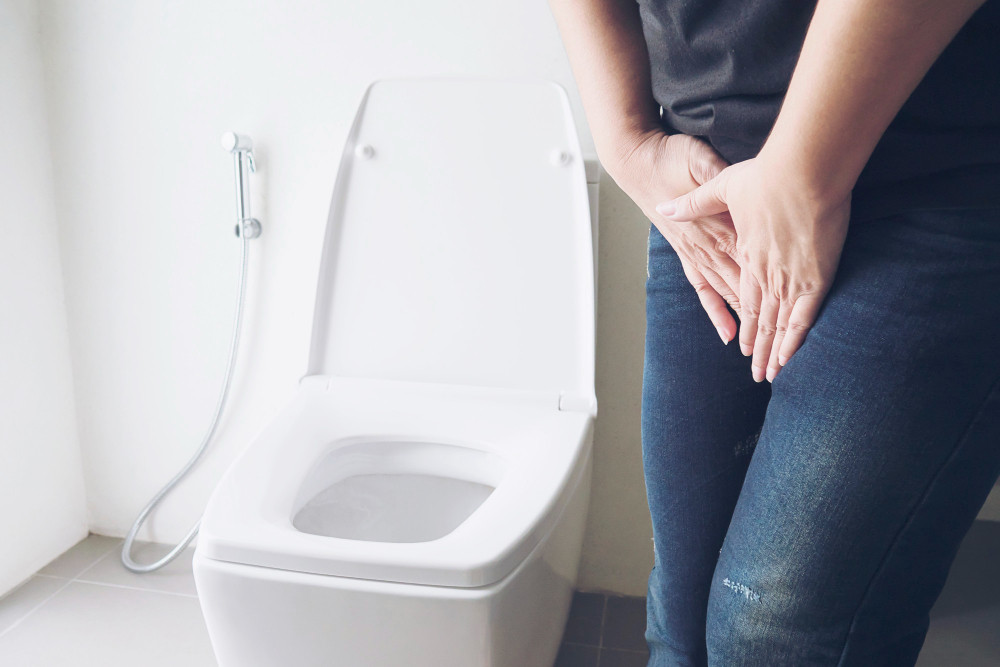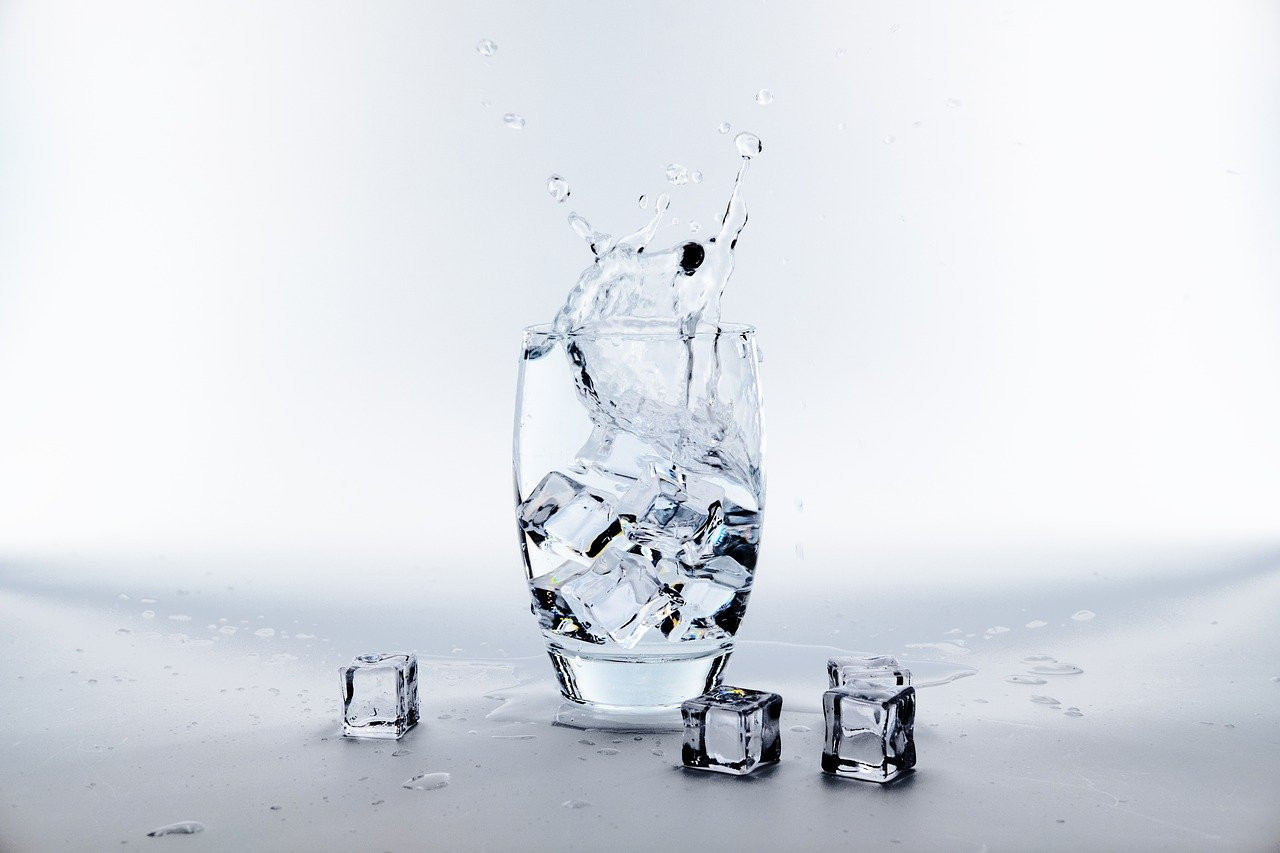
Drinking water offers numerous benefits to the body, such as helping transport nutrients and oxygen to cells, flushing bacteria through the bladder, aiding digestion, preventing constipation, regulating blood pressure, protecting organs and tissues, lubricating joints, and maintaining body temperature. It also helps balance electrolytes. It is recommended that everyone drink at least 7-8 glasses of water each day.
Not drinking enough water can lead to dehydration, which is characterized by weakness, low blood pressure, dizziness, confusion, and dark urine. Therefore, staying hydrated is crucial for overall health.
The Risks of Giving Water to Infants Under 6 Months of Age
Despite its many health benefits, infants under 6 months of age should not be given water. Before 6 months, infants only need breast milk or special infant formula. Why is this?
-
Malnutrition
The main reason infants should not be given water is that their digestive system is still too small. A baby’s stomach can hold only about 1-2 teaspoons, or roughly 5-10 ml, of breast milk or infant formula. These are the only foods or drinks a baby needs before they turn 6 months old.
If infants are given water, they may consume less breast milk or formula, leading to a lack of essential vitamins, minerals, fats, and calories that are necessary for their growth and development. Without these nutrients, infants could become malnourished and fail to develop properly.
Once infants reach 6 months of age, their digestive system has grown, allowing them to consume both breast milk and solid foods, along with the ability to safely drink water.
-
Water Intoxication
The second reason for avoiding giving water to infants under 6 months of age is the risk of water intoxication. Water intoxication occurs not because of toxins in the water, but due to the fact that a baby’s digestive system is still very small. Drinking too much water can be dangerous for babies.
Since a baby’s kidneys are not yet able to process excess water intake, giving them plain water can lead to hyponatremia, which is a condition where the body has low sodium levels.
-
Risks of Viral and Bacterial Infections
Water may not always be clean enough for a baby’s digestion, which increases the risk of bacterial or viral infections. Drinking contaminated water can lead to illness or diarrhea, which can cause dehydration and deprive the body of essential nutrients.
So, When Can Infants Drink Water?
Infants can start drinking water at 6 months of age, along with the introduction of solid foods. It is important to give boiled water to reduce the risk of bacterial contamination.
-
6-12 months old infants can be given 4-8 oz (118-236 ml) of water per day.
-
12-24 months old infants can be given 8-32 oz (236-946 ml) of water per day.
At 6 months old, infants may become thirsty, especially in hot weather. Before offering water, give breast milk first. You can give them water if they’re drinking enough breast milk.
Before reaching 12 months of age, it is best to limit drinks other than breast milk and formula to water. Avoid giving fruit juice, carbonated drinks, or caffeinated beverages like tea or coffee, as they are unhealthy for young children.
Looking for information about nutrition, food and other diet tips? Click here!
- dr Hanifa Rahma
Elisa Cinelli (2021). When Can My Baby Drink Water?. Available from: https://www.verywellfamily.com/when-can-my-baby-drink-water-5208369
Jessica Jondle (2020). Why You Shouldn’t Give Your New Baby Water — and When They’ll Be Ready for It. Available from: https://www.healthline.com/health/baby/why-cant-babies-have-water
WebMD (2021). What You Need to Know About Water for Infants. Available from: https://www.webmd.com/parenting/baby/what-you-need-to-know-water-infants
Pregnancy Birth&Baby (2020). When can babies drink water?. Available from: https://www.pregnancybirthbaby.org.au/when-can-babies-drink-water
Harvard Medical School (2022). How much water should you drink?. Available from: https://www.health.harvard.edu/staying-healthy/how-much-water-should-you-drink