
Definition
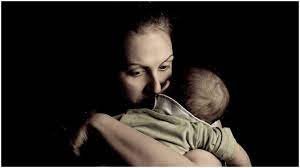
The moment of giving birth can bring many changes to a mother's life, including changes in mood and emotions. Some women even experience stress due to the adaptation process after giving birth. Many factors play a role in postpartum mental health.
Postpartum psychosis, or what is also called post-natal psychosis, is the most serious psychological disorder that a mother can experience after giving birth. This mental disorder is rare and usually occurs 2-3 days after giving birth.
Psychosis is when someone experiences a disturbed relationship with reality. Psychosis patients cannot differentiate between real and unreal things. They can hallucinate, namely seeing, hearing, feeling, touching, or smelling smells that are not real. They can also have delusions or delusions, namely beliefs about things that are untrue and unreal, and these beliefs are difficult to break. This disorder can be hazardous for new mothers and their babies, requiring emergency medical treatment.
Causes
The cause of postpartum psychosis is not yet known with certainty. It was found that this disorder can still be experienced by mothers who have no previous history of physical illness or mental illness. Doctors estimate that hormonal changes that occur before and after giving birth can trigger this mental disorder. These hormones include estrogen, progesterone, and/or thyroid hormone.
Apart from that, many other health aspects can also influence the emergence of postpartum psychosis, including genetic or hereditary, cultural, or environmental factors. Lack of sleep can also contribute to postpartum stress or mental disorders.
Risk Factor
The risk of postpartum psychosis will be higher if the following conditions are present:
- History of bipolar disorder, schizoaffective, or schizophrenia
- History of siblings experiencing postpartum psychosis or other mental illnesses such as bipolar disorder
- Having quite severe mood swings during pregnancy
- Do not routinely take psychiatric medication during pregnancy if you already have a previous mental illness
- History of postpartum psychosis when giving birth to a previous child
Other risk factors are:
- Becoming a mother at a young age or as a teenager
- Unplanned pregnancy
- Giving birth and having a baby for the first time
- Having complications during childbirth
- The baby has health problems at birth
Symptoms
Symptoms of psychosis usually begin with complaints of not being able to sleep and feeling restless or very irritable. These symptoms can worsen to:
- Auditory hallucinations, namely hearing things that are not real, such as the mother suggesting that she hurts herself or that the baby is trying to kill her
- Delusions usually related to the baby, such as someone else trying to harm the baby
- Disorientation or poor orientation to place and time
- Strange and unusual behavior
- Rapid mood swings from very sad to very energetic
- Suicidal thoughts
- Thoughts of violence, such as hurting a baby
Postnatal psychosis can harm both mother and baby. If these symptoms occur, the mother needs to get immediate medical help.
Diagnosis
In diagnosing, the doctor will ask about the type of symptoms and how long the symptoms have occurred. The doctor will also ask about the history of other mental disorders, such as:
- Depression
- Bipolar disorder
- Anxiety disorders
- Other mental illnesses
- Family mental health history
- Thoughts of suicide or hurting the baby
- Substance abuse
Patients must be honest and open so that doctors can provide appropriate assistance according to their condition. The doctor will rule out other conditions and factors that could also cause changes in behavior, such as changes in thyroid hormones or postpartum infections. Tests of thyroid hormone levels, white blood cell counts, and appropriate laboratory tests can help establish the diagnosis. The doctor will also screen for depression.
Management
Postpartum psychosis is an emergency. Patients should call the emergency telephone number or have someone take them to the emergency room if they experience symptoms of psychosis, as mentioned above. Usually, mothers with this disorder will be hospitalized until their mood stabilizes and they are no longer at risk of harming themselves or their babies.
The medications given include drugs to reduce depression, stabilize mood, and reduce symptoms of psychosis. These medications include:
- Antipsychotics to reduce hallucinatory symptoms. Examples include risperidone, olanzapine, ziprasidone, and aripiprazole
- Mood stabilizers, such as lithium, carbamazepine, lamotrigine, and divalproex sodium
There is no ideal drug combination because each patient's treatment is different. In fact, a patient may respond better to an antidepressant or anti-anxiety drug than to a combination of the above drugs.
If a patient does not respond well to medications or requires further treatment, electroconvulsive shock therapy (ECT) is often very effective in reducing symptoms. This therapy provides controlled amounts of electromagnetic stimulation to the brain. The effect will be seizure-like activity in the brain, which helps "reset" the imbalance that caused the mother's episode of psychosis. ECT has been safely used for many years to treat major depression and bipolar disorder.
Complications
Postpartum psychosis is a serious illness. Without treatment, this disease can be life-threatening for both mother and baby and have negative effects on the entire family. This condition has a 4% risk of infanticide and a 5% risk of suicide. In general, suicide is the most common cause of maternal death during the first year after delivery.
Studies show that patients with a biological family history of postnatal psychosis are at greater risk of suicidal thoughts. If you are having suicidal thoughts, call your local emergency telephone number for support and assistance from a trained counselor. Although there is a danger of violence during an episode of postpartum psychosis, not all delusions are violent.
Breastfeeding can be more difficult for women with depression or mental disorders after giving birth. Difficulty and dissatisfaction with breastfeeding can lead to early weaning. If weaning is done suddenly, the symptoms felt by the mother can actually worsen.
Prevention
Some factors, such as family history or genetics, cannot be controlled. However, there are risk factors that can be controlled. That means you can prevent postpartum psychosis by:
- Consult a doctor about your mental health risks and history and family history
- Regular health checks during pregnancy
- Learn about these conditions so you can prepare to prevent them
- Have realistic expectations about childbirth and motherhood
- Talk to someone if you have negative feelings
- Get enough sleep
- Reduce stress
- Learn, practice, and practice coping skills in healthy ways
- Invite your partner when checking your pregnancy
- Prepare a support system around you, such as family or trusted friends, so that they can help and support
- Know the signs of psychosis and make sure your support system knows them too.
- Consider individual and group counseling for support
- Tell someone immediately if you have a complaint
- Routinely carry out health checks for you and your baby according to schedule
When to See a Doctor?
Postpartum psychosis is a serious mental illness that should be treated as a medical emergency. This situation can worsen quickly and endanger the safety of mother and baby. Recognize the symptoms as early as possible because you may not realize that you are sick. Your partner, family or friends should know the signs so they can provide early help.
Consult a doctor immediately if you or someone you know has symptoms of postpartum psychosis. You should request an immediate examination to determine your condition. Call the emergency number if you can't consult a doctor directly or don't know what to do next. Immediately call the emergency telephone or ask to be taken to the emergency room if the patient has thoughts of harming themselves or the baby or suicidal thoughts.
Looking for more information about other diseases? Click here!
- dr. Yuliana Inosensia
Joy S. (2019). Postpartum depression. Retrieved 13 February 2022, from https://reference.medscape.com/article/271662-overview#a1
Nall R. (2016). Postpartum psychosis: symptoms and resources. Retrieved 13 February 2022, from https://www.healthline.com/health/parenting/postpartum-psychosis
Slivinski N. (2020). Postpartum psychosis: what it is and what to do. Retrieved 13 February 2022, from https://www.webmd.com/parenting/baby/postpartum-psychosis-overview#091e9c5e81e1b36e-1-3
Vann MR. (2016). What is postpartum psychosis? symptoms, causes, diagnosis, treatment, and prevention. Retrieved 13 February 2022, from https://www.everydayhealth.com/postpartum-psychosis/guide/
Murray D. (2020). Understanding postpartum. Retrieved 13 February 2022, from https://www.verywellfamily.com/postpartum-psychosis-4770119#:~:text=you%20need%20it.-,Complications,a%205%25%20risk%20of%20suicide.
Raza SK, Raza S. (2021). Postpartum psychosis. Retrieved 13 February 2022, from https://www.ncbi.nlm.nih.gov/books/NBK544304/
Postpartum depression. (2018). Retrieved 13 February 2022, from https://www.mayoclinic.org/diseases-conditions/postpartum-depression/symptoms-causes/syc-20376617
Postpartum psychosis. (2020). Retrieved 13 February 2022, from https://www.nhs.uk/mental-health/conditions/post-partum-psychosis/