Definisi
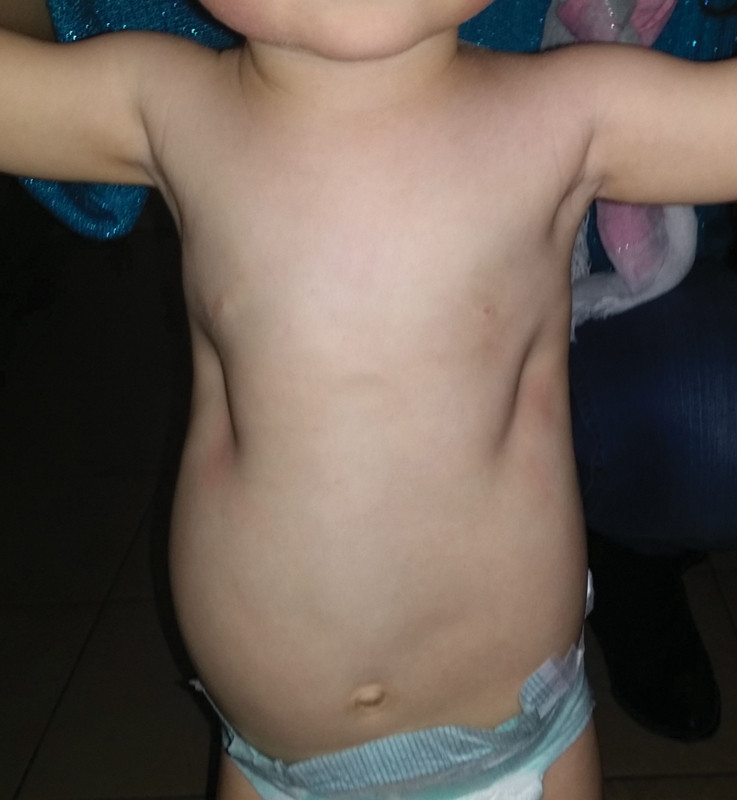
Sindrom Jeune adalah suatu kondisi genetik langka yang ditandai dengan rongga dada yang kecil dan sempit. Hal ini menyebabkan tidak tersedianya ruang yang cukup bagi paru untuk tumbuh dengan normal dan mengembang secara maksimal saat bernapas. Kelainan struktur dinding dada yang tidak tumbuh dan berkembang secara normal (dystrophic) ini menyebakan penderitanya sulit bernapas (asfiksia), sehingga penyakit ini disebut juga sebagai asphyxiating thoracic dystophy.
Sindrom Jeune karena pertama kali dideskripsikan di dalam literatur medis oleh seorang dokter asal Perancis, Jean Jeune, pada tahun 1955. Penyebab dari sindrom Jeune adalah mutasi genetik. Kondisi ini diturunkan secara resesif autosomal, yang berarti bahwa seseorang harus mewarisi mutasi gen dari kedua orang tuanya untuk mengalami kondisi ini. sindrom Jeune merupakan penyakit yang sangat langka.
Di Amerika Serikat, diperkirakan hanya terdapat kurang dari 5000 orang yang menderita penyakit ini. Angka kejadiannya juga cukup kecil, sebesar 1 dari 100.000-130.000 kelahiran. Meskipun begitu, angka kematian pada penderita sindrom Jeune cukup tinggi. Sekitar 60-70% penderitanya meninggal akibat gagal napas saat masih bayi atau kanak-kanak awal.
Penyebab
Pada sebagian besar kasus, sindrom Jeune disebabkan oleh mutasi genetik pada setidaknya 11 gen berbeda, termasuk di antaranya gen IFT80 dan DYNC2H1. Banyaknya jenis gen berbeda yang menyebabkan penyakit ini, derajat keparahan penyakit ini berbeda-beda dari satu kasus dengan kasus lainnya. Gen-gen yang dihubungkan dengan kejadian penyakit ini diketahui menghasilkan berbagai protein yang ditemukan pada suatu struktur berbentuk jari di permukaan sel-sel tubuh. Struktur yang disebut silia ini berperan dalam suatu proses yang disebut intraflagellar transport (IFT), dimana berbagai material yang dibutuhkan tubuh dipindahkan ke dalam dan keluar silia agar struktur sel ini dapat berfungsi dengan normal.
Mutasi pada sindrom Jeune menyebabkan gangguan pada IFT, sehingga silia sel-sel tubuh tidak terbentuk atau berfungsi dengan normal di berbagai sel di tubuh. Silia berperan penting dalam berbagai jalur sinyal kimiawi di dalam tubuh, termasuk serangkaian reaksi yang disebut jalur Sonic Hedgehog. Jalur ini berperan dalam pembelahan dan perkembangan sel menjadi sel dewasa, terutama pada sel-sel tulang rawan dan tulang keras.
Terganggunya jalur sinyal ini menyebabkan penderita sindrom Jeune menunjukkan abnormalitas tulang, terutama pada tulang-tulang yang menyusun rongga dada. Selain di tulang, silia yang abnormal juga dapat ditemukan di organ tubuh lainnya seperti ginjal, hati dan retina mata, sehingga menyebabkan gangguan di organ-organ tubuh ini.
Faktor Risiko
Tidak ada faktor risiko yang diketahui dapat menyebabkan sindrom Jeune. Kondisi ini diturunkan secara resesif autosomal, yang berarti seseorang akan menderita penyakit ini jika mendapat masing-masing satu salinan gen yang bermutasi dari kedua orangtuanya.
Gejala
Tanda dan gejala sindrom Jeune dapat bervariasi dari satu kasus dengan kasus lainnya. Gejala dapat diidentifikasi pada saat lahir atau saat anak beranjak besar, pada usia 4-5 tahun. Secara umum, gejala yang ditunjukkan penderita sindrom Jeune sebagai berikut:
- Dinding dada yang kecil dan sempit. Struktur dinding dada penderita sindrom Jeune berbentuk seperti bel dan memiliki kapasitas yang lebih kecil dibanding normal.
- Gangguan pernapasan. Bentuk dinding dada yang abnormal dapat menyebabkan gangguan pernapasan pada penderita sindrom Jeune. Derajat keparahan gangguan pernapasan akibat kondisi ini sejalan dengan perjalanan penyakit yang dialami penderitanya. Anak dengan gejala ringan mungkin hanya mengalami sesak napas. Pada derajat yang lebih parah, anak dapat mengalami infeksi paru (pneumonia) berulang atau bahkan tidak dapat bernapas sama sekali tanpa alat bantu.
- Masalah organ dalam. Sebanyak 40% penderita sindrom Jeune mengalami komplikasi pada organ ginjal. Hal ini ditunjukkan dengan frekuensi berkemih yang tinggi atau bahkan tidak berkemih sama sekali (gagal ginjal). Pada 30% kasus, anak dapat mengalami gangguan pada organ hati, sehingga dapat mengalami sakit kuning dan pembesaran hati. Organ-organ tubuh lain yang dapat terganggu termasuk mata, jantung dan organ-organ pencernaan.
- Gangguan pada sistem tulang dan sendi. Penderita sindrom Jeune pada umumnya memiliki perawakan kecil dengan lengan dan tungkai yang berukuran pendek. Kondisi jari-jari tangan atau kaki berukuran pendek (brakidaktili) atau adanya jari tambahan (polidaktili) juga dapat ditemukan.
Gangguan pernapasan berat sering terjadi pada periode awal kehidupan bayi. Pada kasus lainnya, gangguan pernapasan yang terjadi mungkin lebih ringan dengan gangguan pada ginjal atau sistem pencernaan yang lebih berat.
Baca selengkapnya di sini: Brakidaktili - Definisi, Penyebab, Gejala, dan Pengobatannya
Diagnosis
Dalam menegakkan diagnosis, Dokter akan berkonsultasi dengan keluarga pasien terlebih dahulu untuk menggali informasi mengenai riwayat perjalanan penyakit pasien dan riwayat penyakit ini di keluarga. Dokter juga akan melakukan pemeriksaan fisik, untuk menilai derajat gangguan napas yang terjadi dan mengidentifikasi kelainan-kelainan yang dihubungkan dengan sindrom Jeune, seperti ukuran rongga dada yang kecil, sempit dan berbentuk seperti bel, ukuran lengan dan tungkai yang pendek, adanya jari tambahan atau ukuran jari yang pendek, serta gangguan pada berbagai organ lainnya, seperti hati, ginjal dan mata.
Selanjutnya, dokter akan melakukan serangkaian tes diagnostik untuk menunjang penegakan diagnosis. Dokter mungkin akan melakukan berbagai pemeriksaan tambahan seperti rontgen, CT-scan, atau MRI serta pemeriksaan darah dan urin. Dokter juga mungkin merekomendasikan untuk melakukan tes genetik dalam memastikan diagnosis.
Pada keluarga yang berisiko, pemeriksaan ultasonografi (USG) saat kehamilan trimester dua dan tiga dapat dilakukan untuk mendeteksi penyakit ini. Gambaran klinis yang ditemukan melalui pemeriksaan ini berupa dinding dada yang sempit, tulang iga yang pendek, dan tulang panjang yang berukuran pendek. Temuan USG lain seperti polihidramnion dan menurunnya atau tidak bergeraknya dada janin saat bernapas di dalam kandungan juga dihubungkan dengan diagnosis sindrom Jeune.
Tata Laksana
Pengobatan sindrom Jeune bergantung pada tingkat keparahan gejala dan organ yang mengalami gangguan. Penanganan yang diberikan pada sindrom Jeune bersifat suportif, yang bertujuan untuk mengurangi keparahan gejala yang ditimbulkan penyakit ini. Terapi terutama diberikan untuk menangani dan mencegah infeksi saluran napas yang mungkin muncul.
Beberapa pilihan terapi sindrom Jeune, antara lain:
Non-Operasi
Bayi dengan sindrom Jeune pada umumnya memiliki masalah pernapasan. Untuk itu, dokter mungkin akan memberikan suplementasi oksigen dan menggunakan alat bantu napas pada bayi. Pada kasus yang berat, bayi mungkin harus terhubung dengan alat ventilator untuk dapat bernapas.
Dokter juga mungkin akan memberikan antibiotik untuk mengobati infeksi saluran napas yang terjadi. Jika bayi juga mengalami gagal ginjal, terapi dialisis atau cuci darah dapat dilakukan.
Baca Juga: Gagal Ginjal Akut - Definisi, Penyebab, Gejala, dan Pengobatannya
Operasi
Prosedur pembedahan diindikasikan hanya pada kasus-kasus berat. Pada kondisi ini, terdapat risiko kematian pada bayi jika penanganan non-operatif yang diberikan gagal, sehingga diperlukan operasi untuk memperbesar ukuran rongga dada bayi, sehingga kerusakan lebih lanjut pada paru dapat dihentikan.
Terdapat beberapa teknik operasi yang dapat digunakan untuk mengoreksi kelainan dinding dada pada sindrom Jeune, namun yang paling umum digunakan adalah metode operasi yang disebut vertical expandable prosthetic titanium rib (VEPTR). Operasi ini dilakukan dengan memasang implan yang terbuat dari titanium di tulang iga bayi untuk melebarkan ruang di dalam rongga dada.
Namun, tindakan pembedahan dinding dada pada sindrom Jeune secara umum sulit dilakukan dan memiliki risiko yang besar. Anda perlu berkonsultasi dengan dokter bedah untuk mendiskusikan risiko yang terjadi akibat operasi yang dilakukan.
Pencegahan
Sindrom Jeune merupakan kondisi genetik yang tidak dapat dicegah, karena penyakit ini diturunkan secara resesif autosomal, pasangan yang memiliki riwayat keluarga dengan sindrom Jeune harus mempertimbangkan konsultasi dengan dokter dan konselor genetika untuk memahami risiko dan perawatan yang diperlukan jika memiliki anak dengan sindrom Jeune.
Baca Juga: Polidaktili - Definisi, Penyebab, Gejala, dan Pengobatannya
Kapan Harus ke Dokter?
Bayi dengan sindrom Jeune umumnya dapat dikenali melalui kelainan-kelainan yang secara spesifik ditunjukkannya, seperti perawakan kecil dengan ukuran lengan dan tungkai yang pendek, dada yang berukuran kecil dan berbentuk seperti bel, serta adanya jari tambahan (polidaktili) pada tangan atau kaki. Bayi dengan sindrom Jeune umumnya dapat langsung dikenali dan ditangani saat bayi baru lahir.
Namun, pada derajat yang lebih ringan, bayi dengan sindrom Jeune mungkin tidak menunjukkan kelainan yang tipikal untuk penyakit ini, sehingga Anda perlu mengenali berbagai kelainan yang berhubungan dengan kondisi ini. Bayi dengan penyakit ini umumnya memiliki gangguan pernapasan, seperti sesak napas hingga tidak mampu bernapas sama sekali.
Segera pergi ke dokter jika anak Anda memiliki gangguan pernapasan dan kelainan anggota tubuh yang berhubungan dengan sindrom Jeune.
Mau tahu informasi seputar penyakit lainnya? Cek di sini, ya!
- dr. Monica Salim

Jeune Asphyxiating Thoracic Dystrophy. (2022, August 16). National Organization for Rare Disorders. https://rarediseases.info.nih.gov/diseases/3049/jeune-syndrome
Jeune Syndrome. (2022, June 22). Genetic and Rare Diseases Information Center.https://rarediseases.info.nih.gov/diseases/3049/jeune-syndrome
Jeune Syndrome.2022. Orphanet. https://www.orpha.net/consor/cgi-bin/OC_Exp.php?Lng=GB&Expert=474
Asphyxiating Thoracic Dystrophy (Jeune Syndrome).(2019, May 01). Medscape. https://emedicine.medscape.com/article/945537-overview#a1