Definisi
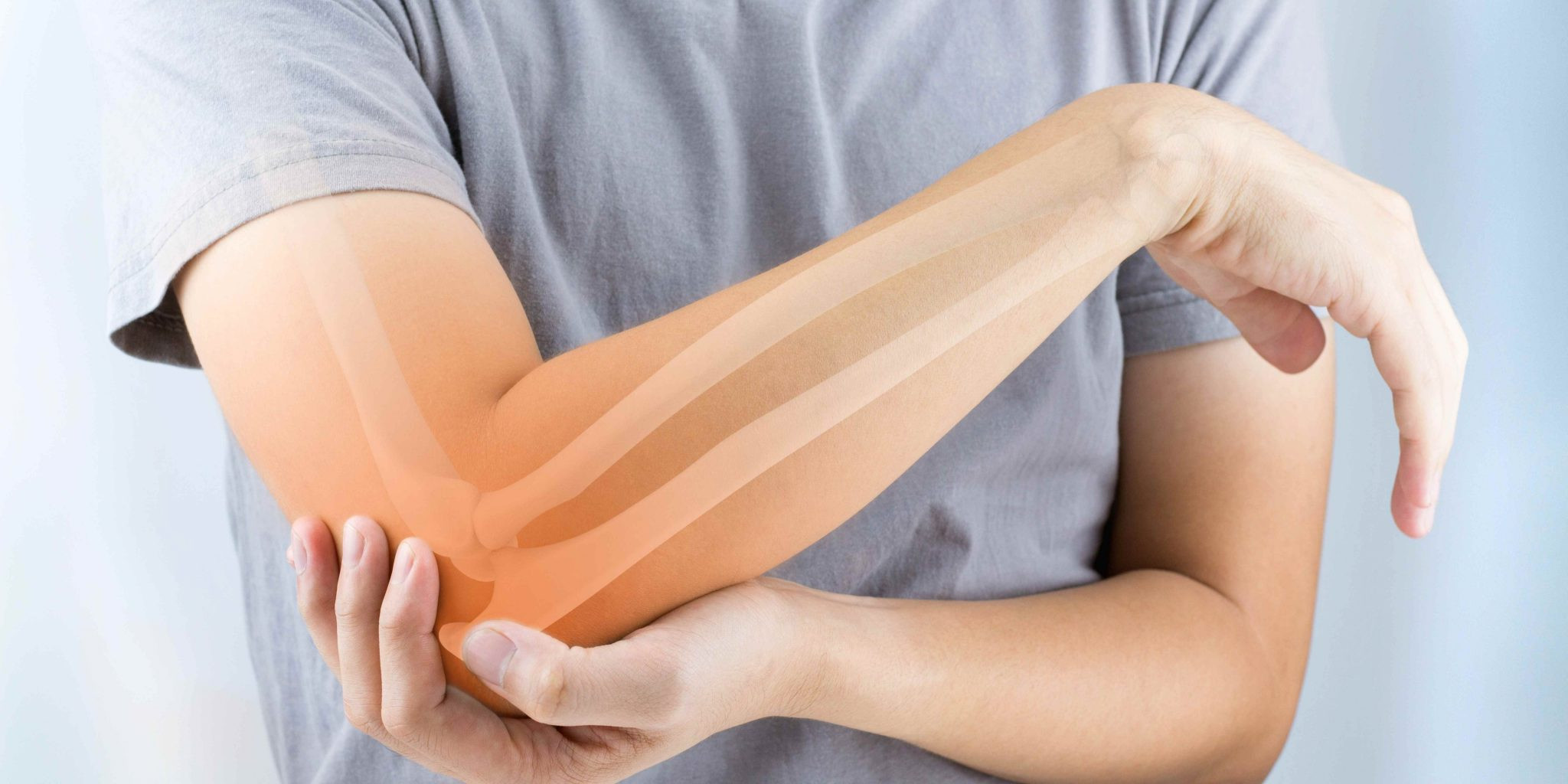
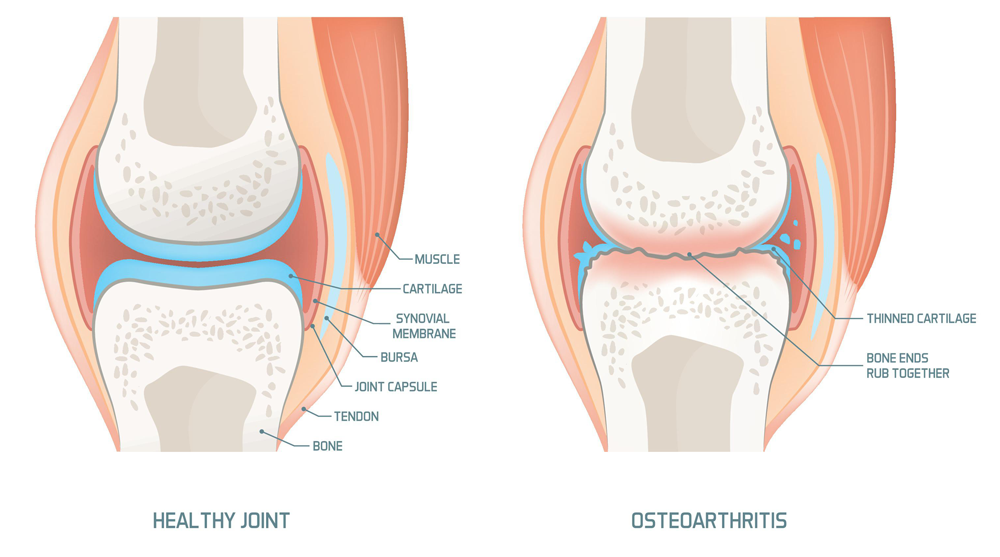
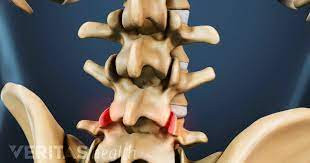
Osteoartritis (OA vertebra) vertebra (tulang belakang) adalah kerusakan kartilago (tulang rawan) sendi dan diskus (bantalan) pada leher dan punggung. OA vertebra disebut juga dengan penyakit sendi degeneratif yang artinya semakin memburuk dari waktu ke waktu. Pada kondisi ini, kartilago yang protektif yang memberi bantalan pada ujung tulang-tulang mengalami degenerasi atau kerusakan
Baca selengkapnya mengenai osteoartritis, di sini: Osteoartritis - Definisi, Penyebab, Gejala dan Pengobatannya
Penyebab
Pada umumnya, OA vertebra terjadi seiring pertambahan usia seseorang. Orang berusia muda dapat juga terkena OA vertebra yang disebabkan oleh:
- Cedera pada sendi
- Kelainan genetik yang melibatkan kartilago
Faktor Risiko
Pada orang yang berusia kurang dari 45 tahun, OA vertebra lebih sering ditemukan pada pria. Setelah usia 45 tahun, OA vertebra lebih sering pada wanita. OA vertebra lebih sering terjadi pada orang yang kelebihan berat badan, serta pada orang yang bekerja atau melakukan olahraga yang memberikan stres berulang pada sendi tulang belakang.
Gejala
OA vertebra vertebra dapat menyebabkan kekakuan atau nyeri pada leher atau punggung. OA vertebra juga dapat menyebabkan kelemahan atau kesemutan pada lengan atau tungkai jika cukup berat sehingga mempengaruhi saraf tulang belakang atau saraf yang keluar dari tulang belakang. Biasanya, nyeri punggung akan membaik ketika berbaring.
Beberapa orang mengalami sedikit gangguan pada aktivitas sehari-hari, sedangkan beberapa mengalami gangguan yang lebih berat.
Selain pengaruhnya pada fisik, seseorang dengan OA vertebra juga dapat mengalami gangguan sosial dan emosional. Sebagai contoh, seseorang dengan OA vertebra yang mengalami gangguan pada aktivitas dan kemampuan bekerja dapat merasa depresi atau tidak berdaya.
Diagnosis
Diagnosis OA vertebra dapat ditegakkan melalui anamnesis atau wawancara medis, pemeriksaan fisik dan pemeriksaan penunjang.
Wawancara Medis
Wawancara yang dilakukan antar dokter dan pasien. Dokter akan bertanya mengenai:
- Gejala yang dialami saat ini
- Riwayat kesehatan
- Riwayat penyakit terdahulu
- Riwayat penyakit keluarga
Pemeriksaan Fisik
Selanjutnya, dokter akan melakukan pemeriksaan fisik umum dan spesifik. Pada pemeriksaan fisik umum, dokter akan menilai tekanan darah, laju pernapasan, denyut nadi dan suhu tubuh. Pada pemeriksaan fisik spesifik dokter akan memeriksa kondisi tulang belakang Anda.
Pemeriksaan Penunjang
Cara terbaik untuk mengonfirmasi diagnosis OA vertebra adalah dengan pemeriksaan radiologis, beruoa rontgen X-ray. Dokter akan menanyakan riwayat kesehatan Anda dan melakukan pemeriksaan fisik untuk memeriksa adanya nyeri, nyeri tekan, gangguan gerak pada leher atau punggung bawah. Dokter juga dapat melakukan pemeriksaan untuk mencari adanya keterlibatan saraf seperti kelemahan, perubahan refleks, atau kehilangan sensasi.
Dokter dapat merekomendasikan beberapa pemeriksaan untuk membantu diagnosis OA vertebra. Pemeriksaan ini meliputi:
- Rontgen X-ray untuk melihat adanya kerusakan tulang, taji tulang, dan kerusakan kartilago atau diskus. Namun, X-ray tidak dapat menunjukan kerusakan awal pada kartilago
- Pemeriksaan darah untuk menyingkirkan kemungkinan penyakit lainnya
- MRI untuk menunjukkan adanya kemungkinan kerusakan pada diskus atau penyempitan celah keluarnya saraf tulang belakang
Baca juga mengenai obat aspirin, di sini: Aspirin - Kontraindikasi, Efek Samping dan Interaksi Obat
Tata Laksana
Pada kebanyakan kasus, terapi OA vertebra ditujukan untuk meringankan gejala nyeri dan meningkatkan kemampuan penderitanya untuk berfungsi dalam kehidupan sehari-hari. Tujuan terapi adalah untuk mencapai gaya hidup yang sehat.
Terapi awal dapat meliputi penurunan berat badan bila diperlukan dan mempertahankan berat badan yang sehat. Untuk mencapai ini diperlukan juga olahraga. Selain untuk menurunkan berat badan, olahraga juga dapat membantu untuk:
- Meningkatkan fleksibilitas
- Meningkatkan sikap dan mood
- Memperkuat jantung
- Meningkatkan aliran darah
- Mempermudah melakukan aktivitas sehari-hari
Beberapa olahraga yang baik untuk terapi OA vertebra meliputi berenang, berjalan, dan aerobik wair. Olahraga dapat dibagi menjadi kategori sebagai berikut:
- Olahraga kekuatan. Olahraga ini dilakukan untuk meningkatkan kekuatan otot-otot yang menyangga sendi. Caranya adalah dengan menggunakan resistensi dari beban atau karet gelang
- Olahraga aerobik. Ini adalah olahraga yang dapat meningkatkan kekuatan jantung dan sistem peredaran darah
- Latihan gerak. Olahraga ini meningkatkan fleksibilitas tubuh
Interval istirahat di sela-sela rencana terapi di atas tetap diperlukan. Namun, bed rest, penggunaan splint, brace, atau traksi pada jangka waktu panjang tidak direkomendasikan.
Terdapat terapi non obat yang tersedia untuk OA vertebra yaitu meliputi:
- Pijat
- Akupuntur
- Kompres hangat atau dingin, yang dilakukan dengan memberikan kompres es atau hangat pada bagian sendi yang terkena
- Stimulasi saraf elektrik transkutan (transcutaneous electrical nerve stimulation/TENS) yang menggunakan alat kecil yang memancarkan denyut listrik pada area yang terkena
- Suplemen nutrisi
Manajemen nyeri juga dapat digunakan untuk menangani OA vertebra. Obat-obatan yang dijual bebas meliputi asetaminofen atau parasetamol dapat digunakan.
Obat-obatan anti inflamasi non steroid (NSAID) juga tersedia bebas pada dosis tertentu. Obat ini contohnya adalah aspirin, naproksen, dan ibuprofen. Namun, NSAID dapat memiliki beberapa efek samping, seperti serangan jantung, strok, iritasi dan perdarahan lambung, serta lebih jarang adalah kerusakan ginjal.
Salep dan krim oles juga tersedia untuk mengatasi nyeri. Obat ini dapat dioleskan pada area kulit yang sakit, namun umumnya tidak terlalu efektif.
Dokter juga dapat merekomendasikan obat-obatan resep untuk mengatasi gejala, namun tidak untuk menyembuhkan. Obat ini meliputi obat nyeri yang membutuhkan resep, narkotika ringan, atau suntikan kortikosteroid di tulang belakang yang disebut injeksi steroid epidural. Penting untuk mengetahui bahwa penyuntikan ini tidak menyembuhkan penyakit yang sudah ada. Terkadang, prosedur ini digunakan tanpda indikasi yang jelas pada manfaat jangka panjangnya. Obat steroid oral umumnya tidak digunakan.
Kebanyakan kasus OA vertebra dapat diterapi tanpa operasi. Namun, operasi terkadang sulit dilakukan. OA vertebra adalah salah satu penyebab dari stenosis vertebra, yaitu penyempitan saluran saraf tulang belakang. Pada kasus dimana terjadi gangguan fungsi kandung kemih dan pencernaan, ketika sistem saraf mengalami kerusakan, atau ketika seseorang menjadi semakin sulit berjalan, operasi biasanya akan direkomendasikan.
Komplikasi
OA vertebra adalah penyakit progresif yang dapat memburuk seiring waktu. Meskipun beberapa orang mengalami gejala atau gangguan yang ringan, jika tidak diterapi OA vertebra dapat memengaruhi kehidupan sehari-hari dan menyebabkan disabilitas jangka panjang.
Pencegahan
Beberapa faktor yang meningkatkan risiko OA vertebra tidak bisa Anda kontrol. Anda tidak dapat mengembalikan cedera yang pernah Anda alami, tidak dapat mengubah genetik, dan usia Anda. Namun, terdapat beberapa cara yang dapat Anda lakukan untuk menurunkan risiko Anda terkena OA vertebra, yaitu:
- Mempertahankan berat badan ideal. Obesitas adalah faktor risiko yang berkontribusi terhadap terjadinya OA vertebra. Oleh karena itu, jika Anda ingin mencegah OA vertebra, menjaga berat badan Anda dalam rentang yang sehat adalah cara yang sangat baik. Bukan hanya akan menurunkan risiko OA vertebra, namun terdapat banyak manfaat kesehatan lainnya. Memakan makanan yang seimbang dan berolahraga secara teratur dapat mempertahankan berat badan pada rentang yang sehat dan membantu menurunkan stress pada sendi Anda. Hal ini dapat menurunkan risiko Anda mengalami OA vertebra di kemudian hari
- Olahraga adalah teknik pencegahan yang baik karena dapat membantu Anda menurunkan berat badan dan menurunkan stres pada sendi. Tidak hanya itu, olahraga juga dapat meningkatkan kekuatan otot yang mengelilingi sendi. Otot yang kuat merupakan proteksi tambahan terhadap kerusakan sendi yang seringnya menyebabkan OA vertebra.
- Menghindari cedera. Cedera dapat menyebabkan OA vertebra jika sendi tidak sembuh dengan baik atau terdapat kerusakan sendi. Pastikan Anda selalu memakai alat pelindung ketika berolahraga atau melakukan aktivitas yang berpotensi bahaya. Pastikan untuk melakukan peregangan sebelum dan setelah olahraga dan mempelajari teknik yang baik sebelum melakukan aktivitas tertentu untuk menghindari cedera
Jika Anda ingin mengetahui lebih lanjut mengenai kesemutan, Anda dapat membacanya di sini: Kesemutan - Definisi, Penyebab, Gejala dan Pengobatannya
Kapan Harus ke Dokter?
Jika Anda mengalami nyeri atau kekakuan pada leher atau punggung yang berlangsung lebih dari 2 minggu sebaiknya Anda berkonsultasi ke dokter untuk evaluasi medis.
Segera cari pertolongan medis jika Anda mengalami:
- Gangguan buang air kecil
- Gangguan kontrol kandung kemih atau usus, artinya Anda tidak dapat mengontrol buang air kecil dan buang air besar
- Kesemutan atau baal pada area genitalia atau bokong
- Kehilangan kekuatan pada tungkai
- Merasa lemas, demam, atau keringat dingin
Mau tahu informasi seputar penyakit lainnya? Cek di sini, ya!
- dr. Monica Salim

Spinal osteoarthritis symptoms, causes, treatments, pain relief, and more (2021) WebMD. WebMD. Available at: https://www.webmd.com/osteoarthritis/spinal-osteoarthritis-degenerative-arthritis-of-the-spine (Accessed: November 29, 2022).
Causes & prevention tips for arthritis: NJ spine & ortho (2021) NJ Spine & Orthopedic. Available at: https://www.njspineandortho.com/how-to-prevent-arthritis/ (Accessed: November 29, 2022).
Osteoarthritis (OA) of the spine (no date) Versus Arthritis. Available at: https://www.versusarthritis.org/about-arthritis/conditions/osteoarthritis-oa-of-the-spine/ (Accessed: November 29, 2022).