Definisi
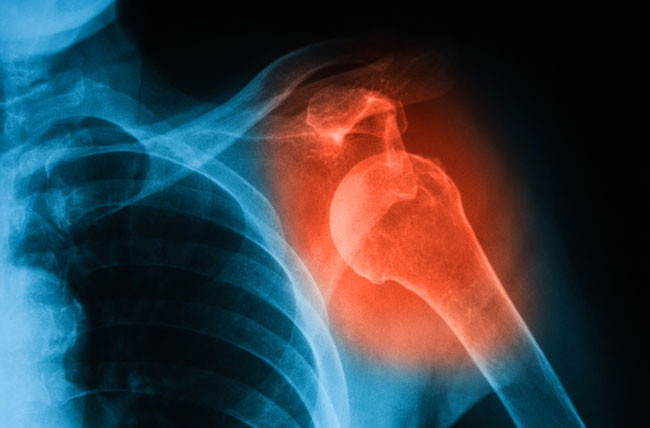
Dislokasi sendi bahu adalah cedera pada bahu yang membuat salah satu tulang yang menyusun sendi bahu bergeser keluar atau terpisah dari posisinya. Sendi bahu tergolong sebagai sendi peluru, tersusun oleh tulang skapula (belikat) dan tulang humerus (lengan atas). Ketika terjadi dislokasi, tonjolan lengan atas yang berbentuk seperti bola akan terpisah keluar dari rongga tulang belikat yang memiliki bentuk seperti cangkir atau mangkuk.
Sendi bahu rentan mengalami dislokasi karena sendi ini fleksibel, memiliki rentang gerak yang luas, dan sering cedera pada olahraga dengan kontak tubuh seperti rugby atau football. Perlu suatu tenaga atau gaya yang besar untuk membuat tulang bahu terlepas dari tempatnya. Dislokasi bisa membuat sendi terlepas maju ke depan, mundur ke belakang atau jatuh ke bawah.
Kejadian dislokasi bahu termasuk dislokasi sendi yang umum terjadi, sekitar 50% kasus dari seluruh dislokasi sendi besar terjadi pada sendi bahu. Selain itu, dislokasi sendi bahu yang banyak ditemukan biasanya dislokasi anterior (dislokasi tulang ke arah depan). Dislokasi anterior adalah jenis dislokasi sendi bahu yang paling umum terjadi, dan ditemukan sekitar 97% dari keseluruhan kasus dislokasi sendi bahu. Selain itu, jaringan ikat yang menghubungkan sendi bahu bisa teregang atau robek dan memperparah dislokasi yang terjadi.
Kami memiliki artikel mengenai dislokasi secara umum yang bisa Anda baca di sini: Dislokasi Sendi - Definisi, Penyebab dan Faktor Risiko.
Penyebab
Sendi bahu adalah sendi yang paling sering terdislokasi di tubuh. Karena sendi bahu memiliki rentang gerak yang luas, bahu bisa terdislokasi ke arah depan, belakang, atau ke bawah. Sebagian besar kasus dislokasi sendi umumnya terjadi ke depan bahu (dislokasi anterior). Dislokasi juga bisa terjadi ke belakang bahu (dislokasi posterior), namun kondisi ini jarang terjadi, hanya sekitar 2-4 persen dari keseluruhan kasus dislokasi bahu. Sementara itu, kondisi terlepasnya sendi bahu ke bawah (dislokasi inferior) paling jarang terjadi, jumlah kasusnya <1% dari keseluruhan kasus dislokasi sendi bahu.
Dislokasi umumnya bisa terjadi bila bahu menerima tekanan atau hantaman mendadak yang membuat tulang-tulang bahu tertarik, terdorong keluar atau jatuh dari posisinya. Ketika lengan sedang direntangkan dan Anda menerima hantaman yang kuat, sendi bahu dapat mengalami dislokasi. Terpuntirnya sendi bahu juga dapat membuat ujung tulang lengan atas keluar dari ruang sendi bahu.
Di sekitar sendi bahu terdapat jaringan ligamen yang menghubungkan tulang-tulang bahu. Saat bahu mengalami dislokasi, jaringan tersebut dapat meregang hingga batas maksimal dan robek. Kondisi ini dapat memperparah dislokasi yang terjadi pada bahu.
Faktor Risiko
Siapapun bisa mengalami dislokasi sendi bahu. Namun, kondisi ini paling sering terjadi pada remaja dan dewasa muda, terutama atlet olahraga yang melibatkan kontak fisik.
Biasanya dislokasi bahu disebabkan oleh:
- Kecelakaan lalu lintas yang membuat bahu menerima hantaman kuat.
- Jatuh dari ketinggian dalam posisi yang janggal.
- Cedera olahraga yang melibatkan kontak fisik, seperti bola hoki atau Selain itu, olahraga yang rentan membuat atletnya terjatuh seperti ski, senam gimnastik, atau bola voli juga dapat menyebabkan dislokasi sendi bahu.
- Kontraksi otot yang hebat pada kondisi seperti kejang atau tersengat listrik.
Gejala
Sendi bahu yang mengalami dislokasi bisa memperlihatkan tanda dan gejala segera, sesaat setelah terjadinya cedera baik karena olahraga, terjatuh maupun kecelakaan. Adapun gejala dislokasi bahu yang dirasakan penderita dapat meliputi:
- Rasa nyeri yang hebat dan muncul tiba-tiba, kadang disertai dengan bunyi “pop” seperti sensasi meletus pada bahu yang dislokasi.
- Adanya perubahan bentuk pada bahu dan tampak berbeda jika dibandingkan dengan bahu yang sehat.
- Terdapat tanda peradangan lainnya seperti bengkak atau memar.
- Penurunan rentang regak sendi dan bahu sulit untuk digerakkan, baik karena rasa nyeri yang hebat ataupun dapat pula karena kelumpuhan saraf.
- Gangguan saraf seperti mati rasa, kelemahan atau kesemutan di sekitar bahu yang mengalami cedera, seperti di leher atau di bawah lengan.
- Otot bahu dapat mengalami kontraksi berlebihan seperti kejang, yang dapat meningkatkan rasa nyeri.
Diagnosis
Diagnosis dislokasi bahu ditegakkan melalui wawancara medis, pemeriksaan fisik untuk mengonfirmasi dugaan dislokasi dan pemeriksaan penunjang.
Wawancara Medis
Dokter bisa mewawancarai Anda atau orang-orang yang mengantar Anda mengenai keluhan-keluhan yang dialami serta bagaimana mekanisme terjadinya cedera. Riwayat penyakit yang Anda miliki juga dapat ditanyakan.
Pemeriksaan Fisik
Kemudian, pemeriksaan fisik untuk memeriksa bahu dan seluruh tubuh akan dilakukan. Dokter akan memeriksa pergerakan sendi bahu, apakah normal atau terdapat penurunan rentang gerak sendi. Keluhan nyeri, adanya perubahan bentuk pada bahu, serta apakah terdapat gangguan pada fungsi saraf dan pembuluh darah di sekitar bahu juga akan diperiksa. Cedera pada saraf aksilaris yang berjalan melewati bahu dan ketiak bisa terjadi, dan angka cederanya pada kasus dislokasi bahu bisa mencapai 40%.
Pemeriksaan Penunjang
Pemeriksaan radiologi yang membantu penegakan diagnosis berupa x-ray dan MRI. Pada pemeriksaan x-ray di bahu yang cedera, bisa terlihat pergeseran atau keluarnya tonjolan tulang lengan atas dari ruang sendi tulang belikat. MRI juga dilakukan untuk memeriksa jaringan sekitar sendi bahu, terutama bila terdapat kecurigaan adanya gangguan saraf dan pembuluh darah.
Tata Laksana
Pengobatan dislokasi sendi bahu akan tergantung dengan:
- Derajat keparahan cedera
- Bila terdapat komplikasi yang terjadi
- Jenis dislokasi yang terjadi
Tata laksana dislokasi sendi bahu meliputi:
- Reduksi tertutup
Tulang bahu yang terlepas akan direposisi kembali secara manual melalui manuver khusus agar kembali ke posisinya. Dokter akan memberikan obat anestesi atau relaksan otot tergantung nyeri dan pembengkakan yang terjadi sebelum menggerakkan tulang bahu. Umumnya nyeri akan hilang setelah prosedur selesai.
- Operasi
Prosedur operasi dapat membantu orang-orang yang mengalami dislokasi bahu berulang karena sendi bahu atau ligamen yang lemah, atau ketika sendi bahu tidak bisa direposisi dengan manuver di atas. Operasi juga bisa dilakukan bila terdapat kerusakan pada saraf, pembuluh darah, otot atau tendon bahu yang perlu diatasi.
Setelah prosedur, biasanya bahu perlu dipasang bidai atau shoulder sling khusus selama beberapa minggu untuk menjaga agar bahu tidak bergerak dan mencegah kerusakan lebih lanjut. Jangan beraktivitas dulu sampai dokter memperbolehkan karena bisa terjadi cedera berulang pada sendi bahu. Anda bisa memberikan kompres dingin pada bahu selama beberapa hari pertama untuk mengurangi pembengkakan dan nyeri.
Dokter bisa memberikan obat antinyeri untuk mengurangi keluhan nyeri pada bahu. Terdapat program rehabilitasi untuk membantu memulihkan rentang gerak, kekuatan dan stabilitas sendi bahu.
Komplikasi
Adapun komplikasi yang dapat terjadi pada penderita dislokasi bahu terkait cedera yang dialaminya adalah sebagai berikut:
- Patah tulang pada tulang selangka (klavikula) atau tulang lengan atas.
- Robekan pada jaringan otot, ligamen, dan tendon di sekitar bahu.
- Kerusakan pada saraf di sekitar sendi bahu yang menyebabkan sensasi mati rasa, kelemahan hingga kelumpuhan.
- Ketidakstabilan bahu menahun sehingga bisa meningkatkan risiko cedera dan dislokasi berulang.
Pencegahan
Saat melakukan olahraga yang melibatkan banyak kontak fisik dengan orang lain, sebaiknya Anda berhati-hati dengan memakai alat pelindung diri. Hindari hal-hal yang bisa membuat Anda terjatuh atau menerima hantaman keras pada bahu. Berkendara juga dengan hati-hati untuk terhindar dari kecelakaan.
Berolahraga secara teratur dapat membantu memelihara kekuatan dan kelenturan pada persendian dan otot. Pada orang yang pernah mengalami dislokasi sendi bahu, mereka berisiko dapat mengalami dislokasi bahu kembali di kemudian hari. Untuk menghindari cedera berulang, perlu dilakukan latihan kekuatan dan stabilitas pada bahu yang cedera.
Kapan Harus ke Dokter?
Kejadian cedera sendi bahu terjadi secara tiba-tiba sehingga sebaiknya bila Anda mengalami hal ini, Anda harus segera memeriksakan diri ke dokter. Selama menunggu pengobatan, jangan gerakkan sendi bahu yang terdislokasi. Anda bisa memakai bidai atau sling untuk menjaga agar bahu tetap berada pada posisi yang tepat. Jangan memaksakan tulang bahu untuk kembali pada posisinya, karena langkah yang salah ditakutkan dapat merusak jaringan otot, ligamen, saraf atau pembuluh darah di sekitarnya.
Mau tahu informasi seputar penyakit lainnya? Cek di sini, ya!
- dr Hanifa Rahma

A Comprehensive Guide to Shoulder Dislocation (2022). Retrieved 18 September 2022, from https://www.resilienceorthopedics.com/shoulder/shoulder-dislocation/.
Dislocated shoulder (2022). Retrieved 18 September 2022, from https://www.mayoclinic.org/diseases-conditions/dislocated-shoulder/symptoms-causes/syc-20371715.
Shoulder Dislocations Overview (2022). Retrieved 18 September 2022, from https://www.ncbi.nlm.nih.gov/books/NBK459125/.