
Definition
Mastitis is an inflammation of the breast caused by an infection. This condition leads to pain, swelling, redness, and warmth in the breast. Generally, mastitis affects one breast, but it can also occur in both.
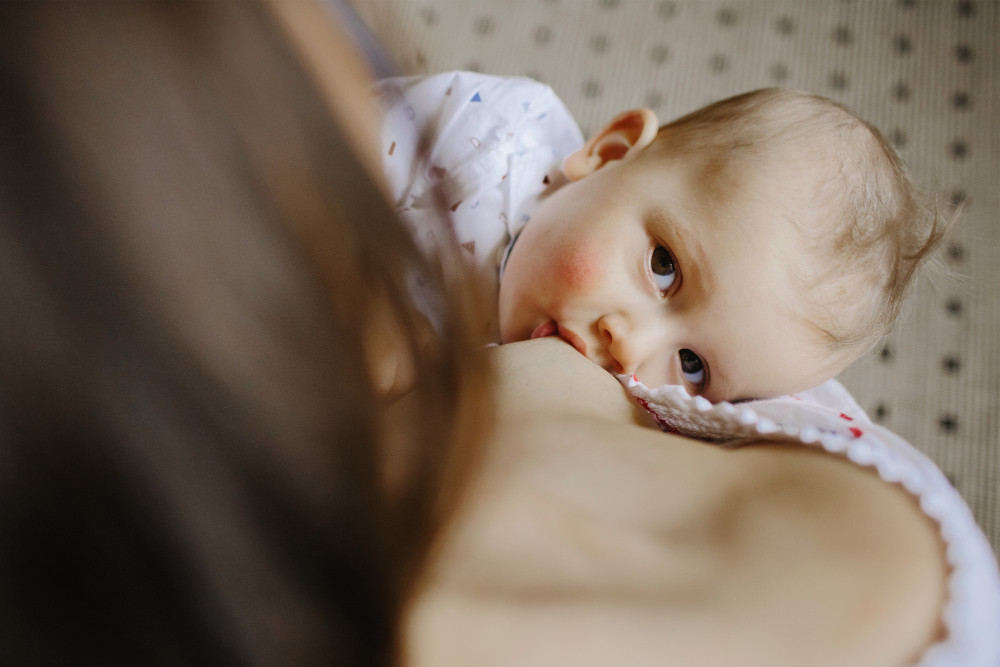
For pregnant and breastfeeding women, mastitis can make breastfeeding challenging. It is most common in breastfeeding mothers, especially during the first 6-12 weeks after childbirth. Although mastitis does not increase the risk of breast cancer, it often has symptoms similar to those of inflammatory breast cancer. Though less common, mastitis can also occur in women who are not pregnant or breastfeeding, as well as in men.
A mother with mastitis can still breastfeed her baby. The breast infection does not affect or infect the baby because breast milk has antibacterial properties that help the baby fight off infections. If mastitis becomes disruptive or recurrent, consulting a lactation doctor can help address breastfeeding issues.
Causes
Mastitis occurs when bacteria from the skin surface or saliva enter the breast tissue through milk ducts or skin wounds. Milk ducts are the parts of the breast that carry breast milk to the nipple. Both men and women with milk ducts can experience mastitis.
Breast infections can occur when milk is blocked by clogged milk ducts or improper breastfeeding techniques. Bacteria will grow in the milk that cannot flow out.
In breastfeeding mothers, mastitis is caused by the buildup of milk in the milk ducts, leading to blockages in the milk ducts. As a result, bacteria from the skin or the baby's mouth can enter through cracks in the skin or nipple, leading to infection.
Risk Factor
Several conditions can increase the risk of mastitis, including:
- Previous history of mastitis
- Diabetes or other autoimmune diseases
- Skin wounds, eczema, or other skin conditions
- Shaved breast hair
- Wearing tight bras or bras that press on the breast
- Nipple piercings
- Breast implants
- Smoking
- Improper breastfeeding techniques
- The baby not latching properly when breastfeeding
- The baby not nursing enough
- Not regularly expressing breast milk
- Excessive milk production
- Weaning the baby too quickly
- Breastfeeding too often from one breast
- Poor nutrition
- Poor physical condition, such as lack of rest or excessive stress
- Heavy exercise, especially involving the upper body
Symptoms
Mastitis can present in several types, such as:
- Lactation: The most common type of infection, usually affecting pregnant women. This condition is also known as puerperal mastitis.
- Periductal: Commonly experienced by postmenopausal women. This condition is also known as mammary duct ectasia, as it is accompanied by thickening of the milk ducts. The nipple of the breast affected by this mastitis will retract and produce milk.
Most people with mastitis initially notice redness in one of the breasts. Mastitis rarely affects both breasts. The affected breast will feel swollen and warm or tender to the touch.
Other symptoms may include:
- Breast lump
- Breast pain (mastalgia) or a burning sensation that worsens when breastfeeding
- Fatigue
- Flu-like symptoms, including chills and fever
- Nausea and vomiting
- Changes in the nipple
Diagnosis
A doctor will perform a physical examination and check your symptoms to determine a diagnosis. If you are not breastfeeding, you may be advised to undergo a mammogram to examine the possibility of breast cancer or other breast conditions.
Other supportive tests to diagnose mastitis include:
- Breast ultrasound: This test is performed to detect and examine lumps or tumors in the breast.
- Breast biopsy: Laboratory examination of a breast tissue sample to detect the presence of cancer cells.
- Blood culture: A sample of the patient’s blood is taken to identify the bacteria causing the infection, especially if mastitis worsens.
- Breast milk sample: Examination of a breast milk sample is done to detect the presence of bacteria causing the infection and determine the appropriate antibiotic for the patient.
Management
When diagnosed with mastitis, your doctor will prescribe oral antibiotics as treatment. The infection can clear up within 10 days but may last up to 3 weeks.
Mastitis may sometimes resolve without medical treatment. You can do the following to reduce inflammation:
- Apply warm compresses to the affected breast every few hours or take a warm bath.
- Breastfeed every 2 hours or more to ensure milk flows through the milk ducts. If necessary, use a breast pump to express milk during breastfeeding.
- Drink plenty of fluids, get enough rest, and consume adequate nutrition.
- Massage the affected area in a circular motion, starting from the outside towards the nipple.
- Take Non-Steroidal Anti-Inflammatory Drugs (NSAIDs) like ibuprofen and paracetamol to relieve pain.
- Wear supportive bras that do not press on the breasts.
Complications
If left untreated, a breast infection like mastitis can develop into a breast abscess.
A doctor may perform a minor surgery or use a small needle to drain the pus. Hospitalization may be required, and antibiotic injections may be administered. A breast abscess will not resolve simply by applying compresses.
In addition to breast abscesses, excessive use of antibiotics can trigger the overgrowth of fungi in the body, potentially leading to a fungal infection in the breast. This is marked by redness on the nipple and a burning sensation in the breast.
Prevention
Breastfeeding mothers can take the following steps to reduce the likelihood of developing mastitis:
- Wash hands and clean the nipples before and after breastfeeding
- Release air and clean the nipple after breastfeeding
- Avoid wearing tight bras that can keep the nipple moist. Ensure the breast stays dry by changing bras or breast pads if they become wet
- Breastfeed on one side until the breast is empty before switching to the other breast
- Change breastfeeding positions to target empty areas of the breast
- Use a finger to break the baby's latch if necessary to stop breastfeeding
Additionally, the following measures can help prevent mastitis:
- If you smoke, discuss reducing cigarette consumption with your doctor
- Drink plenty of water to prevent dehydration
When to See a Doctor?
Contact your doctor if you experience:
- Breast pain
- Changes in the shape or feel of the breast
- A lump in the breast
- Nipple changes
- Worsening mastitis symptoms after 24 hours of antibiotic treatment or home care
Looking for more information about other diseases? Click here!
- dr. Alvidiani Agustina Damanik
Mastitis. (2019). Retrieved 17 October 2022, from https://www.nhs.uk/conditions/mastitis/
Mastitis. (2021). Retrieved 17 October 2022, from https://medlineplus.gov/ency/imagepages/19964.htm
Mastitis. (2021). Retrieved 17 October 2022, from https://my.clevelandclinic.org/health/diseases/15613-mastitis
Mastitis. (2022). Retrieved 17 October 2022, from https://www.mayoclinic.org/diseases-conditions/mastitis/symptoms-causes/syc-20374829
Acute Mastitis. (2022). Retrieved 17 October 2022, from https://www.ncbi.nlm.nih.gov/books/NBK557782/