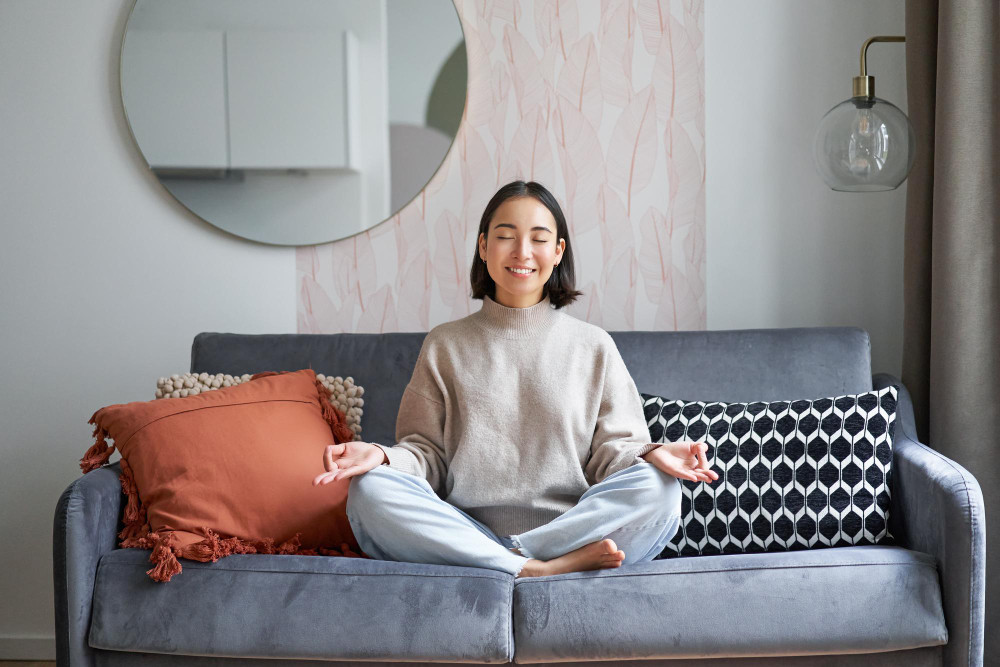
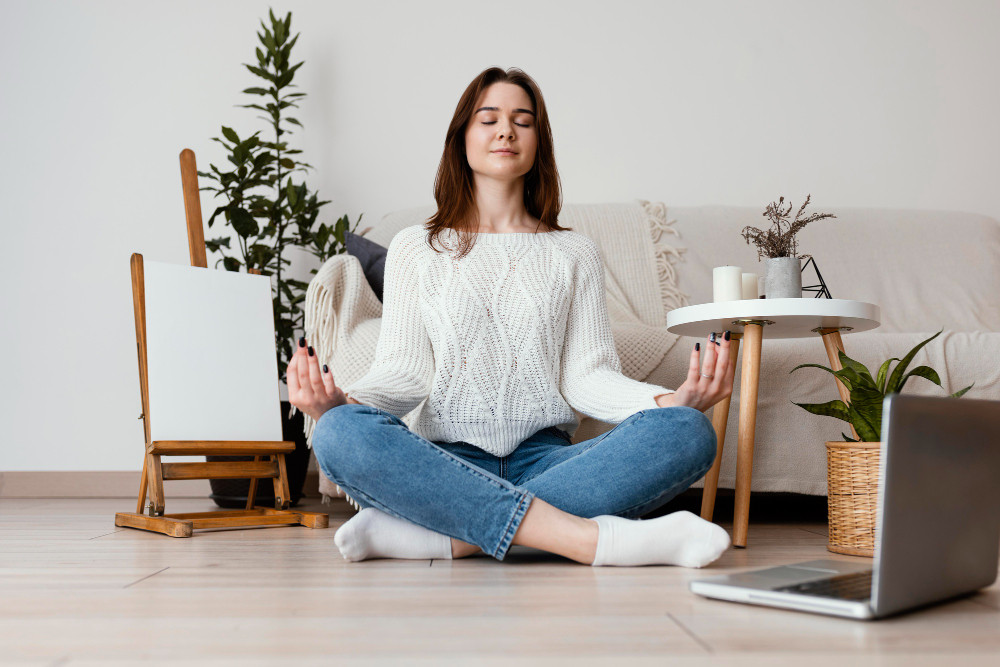
Meditation has been part of Eastern traditions for thousands of years. Today, it’s widely practiced as a relaxation technique you can do at home. By meditating, you train your mind to stay focused and alert while reducing your stress. So, when is the best time to meditate?
The Best Time to Meditate
Long ago, meditation was primarily linked to religious practice. In modern life, it’s still used spiritually but has also become a popular method for relaxation.
Meditation is believed to support both mental and physical well-being. Reported benefits include relaxing the body, improving sleep quality, lowering blood pressure, reducing anxiety, and helping to manage breathing issues in people with asthma.
Because the benefits are broad, you can meditate at many points in the day. Still, Healthline notes several expert-recommended windows that may work especially well:
1. Before sunrise
Yoga teachers explain that in traditional Ayurvedic medicine from India, one of the best times to meditate is during the “ambrosial hours,” roughly two and a half hours before sunrise, or when the sun sits at a 60-degree angle to the earth.
Ayurvedic practitioners believe spiritual practices including meditation done in these early hours deliver the most favorable effects compared with other times of day.
2. Immediately after you wake up
If your schedule makes pre-dawn practice unrealistic, try meditating as soon as you wake up. Starting your morning with meditation can sharpen focus, clear the mind, and steady emotions so you feel more prepared for the day ahead.
3. During your lunch break
Midday meditation can also be helpful. A short session at lunchtime may restore energy and concentration after a busy morning. Practicing at work is also thought to reduce stress and release muscle tension, helping you feel refreshed.
4. When you are under pressure
Plans sometimes fall apart, leading to stress at work or at home. When your thoughts start to race and clarity slips, meditate whenever you need to. Simple breathing and mindfulness practices can reset your body and mind, making problem-solving easier.
5. After exercise
Meditating after workout is another good moment to practice. Meditating after exercise may balance the nervous system and replenish energy. Many teachers say that when the body feels pleasantly tired after training, it’s easier to sit still and focus on the breath. This can also support better mental focus during future workouts.
How Long Should You Meditate?
The ideal duration varies by person, technique, and available time. Verywell Mind suggests that beginners start with brief sessions.
There’s no fixed rule for session length, but you can begin with about three minutes. As you start to feel the benefits, you can gradually extend your practice to 10 minutes or more as needed.
Looking for more information about health tips and tricks, first aid, and other home remedies? Click here!
- dr Hanifa Rahma
Lindberg, S. (2020). Is There a Best Time of Day to Meditate?. Available from: https://www.healthline.com/health/mental-health/best-time-to-meditate#best-time-of-day
Stöppler, M. (2020). Meditation, Stress, and Your Health. Available from: https://www.webmd.com/balance/guide/meditation-natural-remedy-for-insomnia
WebMD. (2021). What to Know About the Best time to Meditate. Available from: https://www.webmd.com/balance/what-to-know-best-time-meditate
Sheppard, S. (2021). How Meditation Can Help You Through the Winter?. Available from: https://www.verywellmind.com/how-meditation-can-help-you-through-the-winter-5095320
Cuncic, A. (2021). How Long Should You Meditate?. Available from: https://www.verywellmind.com/how-long-should-you-meditate-5208166