Definisi
Tes IGRA (Interferon Gamma Release Assay) adalah pemeriksaan darah yang digunakan untuk melihat apakah seseorang pernah terpapar bakteri Mycobacterium tuberculosis (bakteri yang menyebabkan tuberkulosis atau TBC). Tes ini mengukur respon imun seseorang terhadap bakteri M. tuberculosis. Sel darah merah pada orang yang sudah pernah terinfeksi oleh M. tuberculosis akan melepaskan interferon-gamma (IFN-g) ketika dicampur dengan antigen (zat yang dapat mencetuskan respon imun) dari M. tuberculosis.
Tes IGRA memiliki beberapa kelebihan, yaitu:
- Hanya membutuhkan satu kali kunjungan untuk melakukan tes
- Hasil tes dapat tersedia dalam 24 jam
- Tidak memengaruhi hasil tes ulangan (serial)
- Hasil tes tidak dipengaruhi oleh vaksin BCG (bacilli Calmette-Guérin)
Sementara itu, kekurangan atau keterbatasan tes IGRA meliputi:
- Sampel darah harus diproses dalam 8 sampai 30 jam setelah dikumpulkan. Ini adalah periode waktu dimana sel darah putih masih baik
- Kesalahan dalam pengambilan atau pengiriman spesimen darah dapat menurunkan akurasi hasil tes
- Penggunaan IGRA untuk kelompok individu di bawah ini masih terbatas:
- Anak berusia kurang dari 5 tahun
- Orang yang baru saja terpapar oleh kuman tuberculosis
- Orang dengan sistem imun yang lemah
- Biaya pemeriksaan relatif mahal
Indikasi
Tes IGRA dapat digunakan untuk mendiagnosis infeksi TBC laten. Tes ini tidak digunakan untuk memeriksa adanya penyakit TBC aktif.
Infeksi TBC laten adalah ketika seseorang memiliki bakteri TBC di dalam tubuhnya namun sistem imunnya dapat mencegah infeksi sehingga tidak menjadi penyakit. Infeksi TBC laten tidak menyebabkan gejala dan tidak dapat ditularkan ke orang lain.
Terdapat kemungkinan kecil infeksi TBC laten berkembang menjadi penyakit TBC. Risiko ini meningkat pada anak-anak dan orang lanjut usia, serta orang dengan kelemahan sistem imun. Penyakit TBC berkembang saat bakteri TBC mulai bertambah banyak dan menyebabkan gejala, seperti demam, penurunan berat badan yang tidak disengaja, lelah, atau batuk yang tidak kunjung sembuh.
IGRA dapat digunakan untuk investigasi kontak TBC, pemeriksaan selama kehamilan, dan skrining tenaga kesehatan serta individu lain yang membutuhkan evaluasi serial untuk infeksi M. tuberculosis.
Tes IGRA juga merupakan pemeriksaan pilihan untuk individu yang pernah menerima vaksin BCG.
Kontraindikasi
Kontraindikasi pengambilan sampel darah terkait dengan kondisi pada area pengambilan darah. Kondisi seperti infeksi pada daerah pengambilan merupakan salah satu kontraindikasi karena dapat meningkatkan risiko bakteri masuk ke aliran darah.
Kontraindikasi lainnya adalah adanya graft pembuluh darah, memar, pengerasan pembuluh darah, riwayat operasi pengangkatan payudara radikal pada sisi yang sama dengan lengan yang akan disuntik.
Persiapan Sebelum Pemeriksaan
Penting untuk memberitahu dokter jika Anda:
- Menderita penyakit yang menyerang sistem imun, seperti HIV, limfoma, atau penyakit ginjal
- Mengonsumsi obat yang memengaruhi sistem imun termasuk steroid (prednison), siklosporin, atau kemoterapi (obat kanker)
- Pernah mengalami demam atau infeksi dalam satu bulan terakhir, seperti influenza, campak, atau infeksi paru
- Pernah menerima vaksin dalam satu bulan terakhir
- Pernah mengalami penyakit TBC sebelumnya, pernah kontak dengan penderita TBC, atau pernah menerima vaksin BCG
Kondisi di atas dapat memengaruhi hasil tes.
Prosedur Pemeriksaan
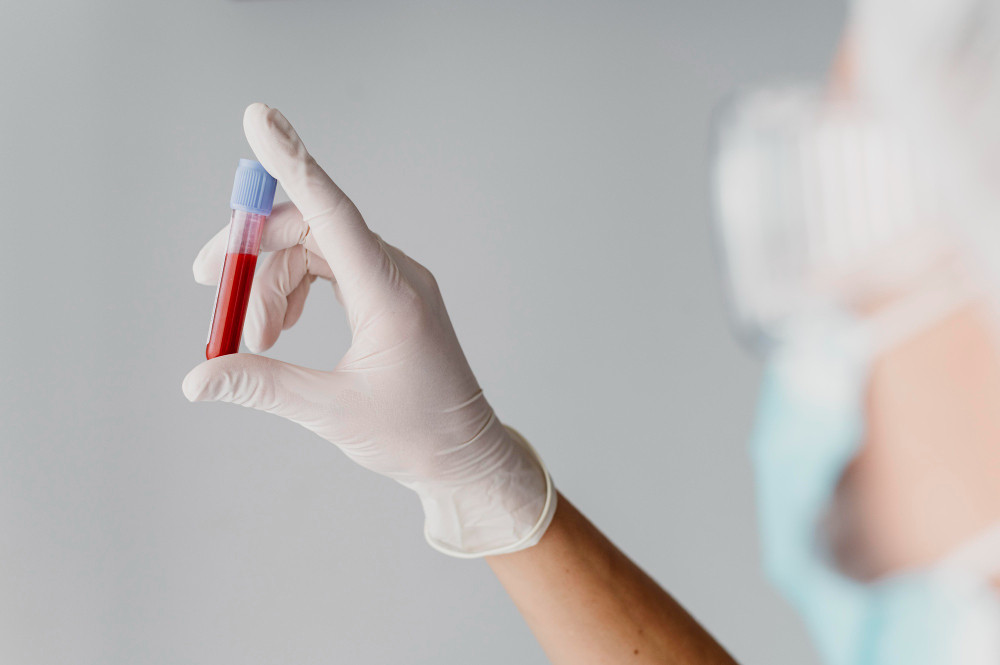
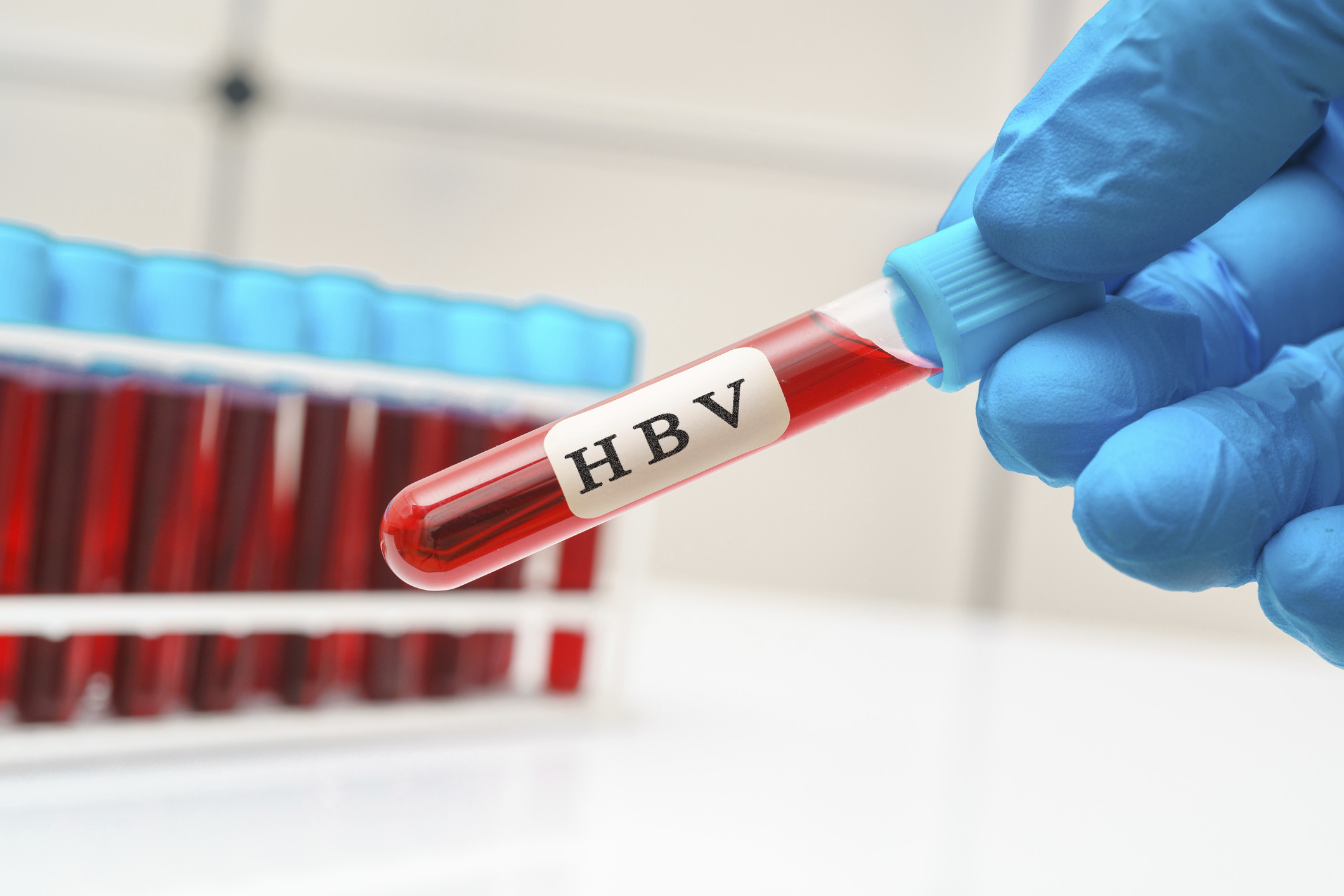
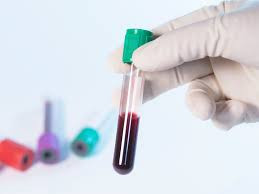
Untuk pemeriksaan IGRA, tenaga kesehatan akan mengambil sampel darah dari vena di lengan Anda, menggunakan jarum kecil. Setelah jarum dimasukkan, sejumlah kecil darah akan dikumpulkan ke dalam tabung tes atau vial. Anda mungkin merasakan nyeri ringan ketika jarum masuk atau keluar. Hal ini biasanya memakan waktu kurang dari 5 menit.
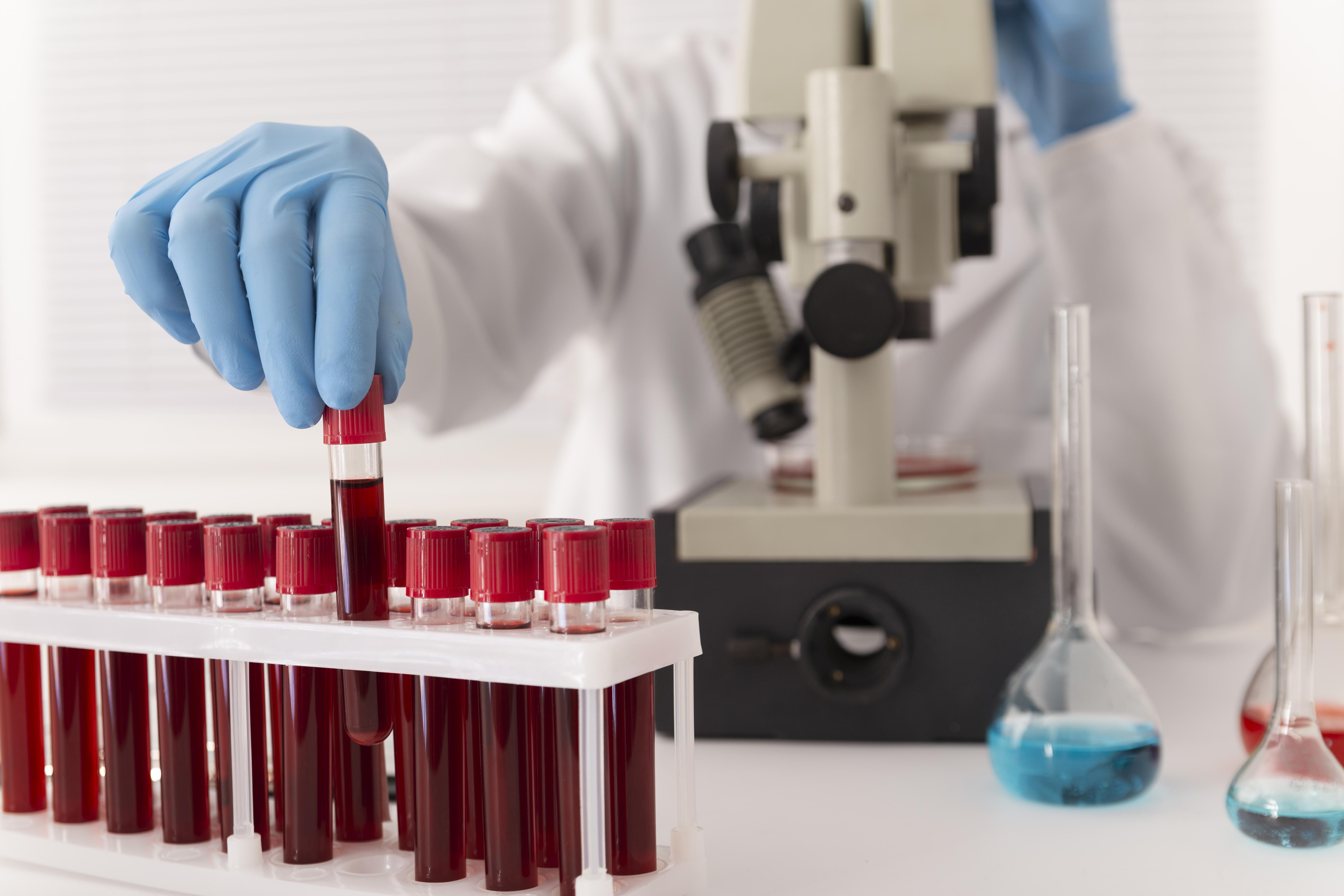
Untuk menjalankan tes IGRA, sampel darah segar akan dicampur dengan antigen dan kontrol.
Nilai Normal dan Abnormal
Interpretasi IGRA didasarkan pada jumlah IFN-g yang dilepaskan atau pada jumlah sel yang melepaskan IGN-g. Hasil tes kualitatif dinyatakan dalam positif, negatif, atau indeterminate.
Hasil dan Saran (Pemeriksaan Lanjutan)
Hasil tes positif menandakan bahwa Anda kemungkinan pernah terinfeksi dengan bakteri TBC. Hal ini disebut dengan infeksi TB laten. Sementara itu, hasil negatif menandakan bahwa infeksi kemungkinan tidak terjadi. Hasil indeterminate mengindikasikan ketidakpastian akan adanya infeksi M. tuberculosis.
Hasil pemeriksaan IGRA digunakan bersama dengan tes tuberkulin (tes Mantoux) untuk membantu mendiagnosis infeksi M. tuberculosis. Untuk anak usia kurang dari 5 tahun, tes tuberkulin lebih dipilih daripada IGRA.
Dokter akan menjelaskan kelebihan dan kekurangan dari pemeriksaan yang berbeda dan memberikan rekomendasi mengenai pemeriksaan yang paling cocok untuk situasi Anda. Pada beberapa kasus, tes tuberkulin dan IGRA mungkin dibutuhkan.
Konsultasikan ke Dokter yang Tepat
Diagnosis infeksi TB laten harus menyingkirkan kemungkinan infeksi TB aktif oleh evaluasi dokter umum. Dokter akan melakukan pemeriksaan tanda dan gejala yang mengarah ke penyakit TB, rontgen dada, dan jika terdapat indikasi, pemeriksaan dahak atau sampel klinis lainnya untuk menemukan kuman M. tuberculosis.
Infeksi TB laten dapat diterapi dengan antibiotik untuk mencegahnya agar tidak berkembang menjadi penyakit TB aktif di kemudian hari.
Mau tahu informasi seputar hasil pemeriksaan laboratorium, radiologi, dan lainnya? Cek di sini, ya!
- dr. Monica Salim

Fact sheets (2016) Centers for Disease Control and Prevention. Available at: https://www.cdc.gov/tb/publications/factsheets/testing/igra.htm (Accessed: 24 May 2023).
Interferon Gamma release assay test (2023) Interferon gamma release assay test. Available at: https://www.health.nsw.gov.au/Infectious/tuberculosis/Pages/interferon-gamma-release-assay-test.aspx (Accessed: 24 May 2023).
Tuberculosis (TB) blood test (IGRA) (2022a) Tuberculosis (TB) Blood Test (IGRA) - MN Dept. of Health. Available at: https://www.health.state.mn.us/diseases/tb/basics/factsheets/igra.html (Accessed: 24 May 2023).