
Definisi
Heliobacter pylori (H. pylori) merupakan salah satu tipe bakteri yang menginfeksi sistem pencernaan dan menyerang lapisan lambung. H. pylori beradaptasi pada lingkungan yang keras dan asam dari lambung. Heliobacter berasal dari kata "Helico" yang berarti spiral, yang mengacu pada bentuk bakteri. Bakteri ini dapat mengubah lingkungan di sekitarnya dan mengurangi keasaman sehingga dapat bertahan hidup dengan lebih mudah.
Bentuk spiral dari H. pylori membantu untuk menembus lapisan lambung yang terlindungi oleh mukus dan sel-sel kekebalan tubuh tidak dapat mencapainya. Hal ini dapat menyebabkan gangguan pada perut. Infeksi H. pylori biasanya tidak berbahaya, tetapi jika dibiarkan dapat menyebabkan kerusakan lapisan lambung dan menimbulkan berbagai penyakit seperti tukak lambung dan usus kecil. H. pylori sering menginfeksi perut seseorang selama masa kanak-kanak.
Sebagian besar penderita H. pylori tidak memiliki gejala. Tetapi bakteri ini dapat merusak lapisan pelindung dalam perut dan menyebabkan penyakit lain, seperti tukak lambung. Gejala tukak lambung akibat H. pylori meliputi:
- nyeri perut yang tumpul atau seperti terbakar (terutama ketika dalam keadaan lambung yang kosong)
- kembung
- mual dan muntah
- penurunan berat badan yang tidak dapat dijelaskan
- bersendawa
- kehilangan nafsu makan
Walau jarang terjadi, kanker lambung juga dapat meningkatkan risiko pada pasien dengan H. pylori dimana gejala kanker lambung tersebut hampir mirip dengan tukak lambung. Segera hubungi dokter bila Anda mengalami beberapa gejala seperti kesulitan menelan, anemia, dan BAB berdarah.
IgG merupakan antibodi yang terbentuk saat ada benda asing dalam tubuh, sedangkan IgM merupakan antibodi pertama yang terbentuk ketika tubuh anda terkontak dengan virus atau bakteri. Baik IgG dan IgM ditemukan dalam darah dan cairan tubuh lainnya. Pemeriksaan Anti Helicobacter pylori IgG merupakan pemeriksaan yang mendekteksi IgG terhadap H. pylori.
Indikasi
Pemeriksaan ini biasanya dilakuakn untuk mencari adanya bakteri H. pylori di dalam saluran cerna, mengatahui adanya permasalahan pencernaan yang disebabkan oleh infeksi dari H. pylori, mengetahui adanya pengobatan dari infeksi H. pylori telah bekerja dengan baik. Dokter akan menyarankan anda melakukan pemeriksan ini bila dirasa anda memiliki gejala dari gangguan H. pylori. Hal ini disebabkan gejala dari gastritis dan tukak lambung sama sama memiliki gejala yang sama seperti nyeri perut, kembung, mual dan muntah, diare, kehilangan nafsu makan, dan kehilangan berat badan.
Beberapa indikasi pemeriksaan anti Helicobacter pylori IgG, antara lain:
- Mengetahui apakah infeksi H. pylori adalah penyebab gejala pencernaan
- Mengetahui apakah pengobatan infeksi H. pylori telah berhasil
- Memiliki gejala gastritis atau maag, seperti
- Nyeri di perut bagian atas (perut)
- Kembung (perasaan penuh atau bengkak di perut Anda)
- Merasa kenyang terlalu cepat saat menyantap makanan
- Mual dan muntah
- Bersendawa
- Kehilangan nafsu makan
- Penurunan berat badan
- Mengalami pendarahan usus
Kontraindikasi
Tidak ada kontraindikasi khusus terkait pemeriksaan Anti Helicobacter pylori IgG.
Persiapan Sebelum Pemeriksaan
Pemeriksaan ini tidak mewajibkan Anda berpuasa sebelumnya. Informasikan pada dokter mengenai kondisi medis, obat rutin dan suplemen yang Anda konsumsi.
Prosedur Pemeriksaan
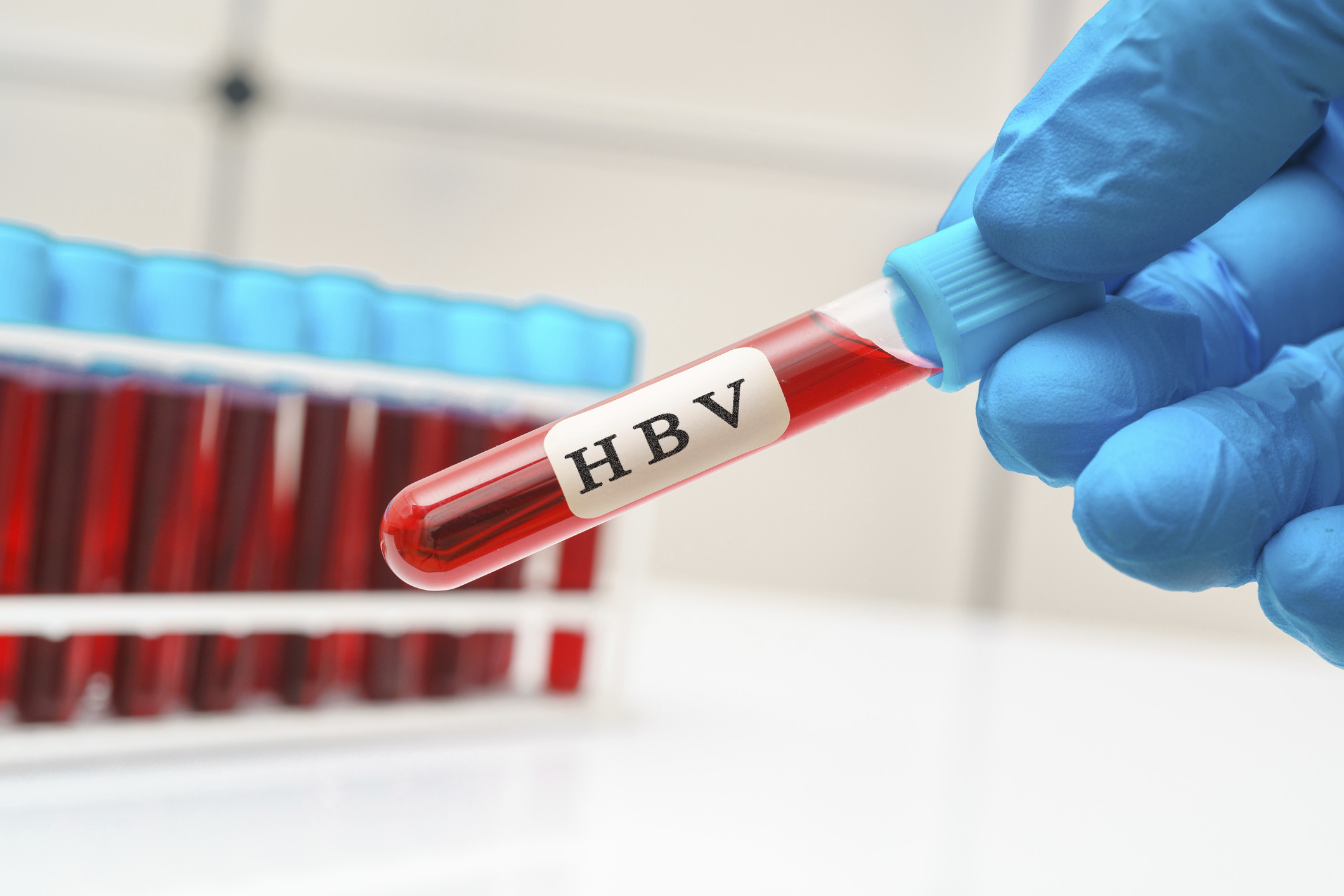
Pemeriksaan Anti Helicobacter pylori IgG merupakan pemeriksaan antigen dengan menggunakan sampel darah. Petugas laboratorium akan membersihkan lengan Anda dengan alcohol swab dan mengambil sedikit darah dari pembuluh darah vena di lengan menggunakan spuit steril.
Bila darah diambil melalui pembuluh darah, permukaan kulit akan dibersihkan dengan antiseptik dan diikat dengan alat khusus (tourniquet) pada area lengan untuk memberikan tekanan dan menyebabkan pembuluh darah membengkak dengan darah. Jarum mengambil sampel akan dimasukkan melalui pembuluh darah (biasanya pada bagian lengan dalam atau siku atau pada bagian punggung tangan) dan darah akan diambil masuk ke dalam vial atau syringe. Setelah prosedur, tourniquet dilepaskan dan bekas area pengambilan darah akan ditutup dengan perban untuk menghentikan pendarahan.
Selanjutnya, darah akan dimasukan ke dalam tabung darah dan diperiksa oleh petugas laboratorium pada mesin khusus. Pemeriksaan ini mungkin akan memakan waktu sehari untuk mendapatkan hasil. Risiko pemeriksaan ini cukup minimal Beberapa orang merasakan nyeri, pusing, dan memar saat pengambilan darah. Namun, hal ini biasanya hilang dengan cepat. Prosedur pemeriksaan ini cukup sederhana dan biasanya akan memakan waktu hingga 10 menit untuk mengambil darah darah dan merapikannya.
Pemeriksaan lain selain antigen, H. pylori dapat juga dilakukan melalui pemeriksaan tinja dan endoskopi. Konsultasikan dengan dokter terkait pemeriksaan tambahan apa saja yang mungkin perlu dilakukan.
Nilai Normal dan Abnormal
Nilai normal pemeriksaan Anti Helicobacter pylori IgG memberikan hasil berupa negatif sedangkan nilai abnormal pemeriksaan measles IgG memberikan hasil berupa nilai positif pada pemeriksaan atau hasil tidak jelas. Pemeriksaan Anti Helicobacter pylori IgG tidak dapat berdiri sendiri sehingga perlu dilakukan bersama dengan pemeriksaan IgM.
Hasil dan Saran (Pemeriksaan Lanjutan)
Hasil pemeriksaan bergantung pada jenis kelamin, ras, usia dan metode pemeriksaan yang dilakukan. Pada hasil pemeriksaan Anti Helicobacter pylori yang abnormal yaitu positif dapat menandakan adanya kehadiran IgG melawan bakteri H. pylori tetapi hal ini juga dapat menunjukkan adanya riwayat infeksi sebelumnya.
Hasil positif pada pemeriksaan ini hanya dapat menentikan adanya antibodi IgG tetapi tidak dapat mengonfirmasi adanya gangguan pencernaan sehingga dokter anda akan menyarankan pemeriksaan tambahan untuk memastikan diagnosis.
Hasil negatif pada pemeriksaan ini menunjukkan tidak ditemukan antibodi yang melawan H. pylori dalam darah. Hal ini dapat menunjukkan tidak adanya infeksi atau adanya antigen IgG pada kadar yang rendah. Hasil negatif palsu dapat dicapai ketika pemeriksaan darah dilakukan pada awal terjadinya infeksi sehingga nilai pemeriksaan terlalu rendah untuk dapat dideteksi.
Konsultasikan ke Dokter yang Tepat
Bila hasil pemeriksaan Anti Helicobacter pylori anda tidak normal, Anda dapat berkonsultasi dengan dokter umum untuk mendapatkan diagnosis dan terapi yang sesuai serta pemeriksaan lanjutan bila dirasa perlu dalam penegakan diagnosis. Bila diperlukan, Anda juga dapat berkonsultasi dengan dokter spesialis penyakit dalam terkait kondisi Anda. Pada pasien anak-anak, dokter spesialis anak dapat memberikan informasi dan terapi yang lebih detail.
Mau tahu informasi seputar hasil pemeriksaan laboratorium, radiologi, dan lainnya? Cek di sini, ya!
- dr. Monica Salim

Pylori Infection. (2021). Retrieved 30 January 2023, from https://www.healthline.com/health/helicobacter-pylori
Heliobacter Pylori Antigen Test. (2022). Retrieved 30 January 2023, from https://emedicine.medscape.com/article/2117821-overview#
Helicobacter Pylori Antibody. (2023). Retrieved 30 January 2023, from https://www.urmc.rochester.edu/encyclopedia/content.aspx?contenttypeid=167&contentid=helicobacter_pylori_antibody
Helicobacter Pylori (H. Pylori) Tests. (2021). Retrieved 30 January 2023, from https://medlineplus.gov/lab-tests/helicobacter-pylori-h-pylori-tests/
Tests for H. pylori. (2023). Retrieved 30 January 2023, from https://www.mountsinai.org/health-library/tests/tests-for-h-pylori