
Definisi
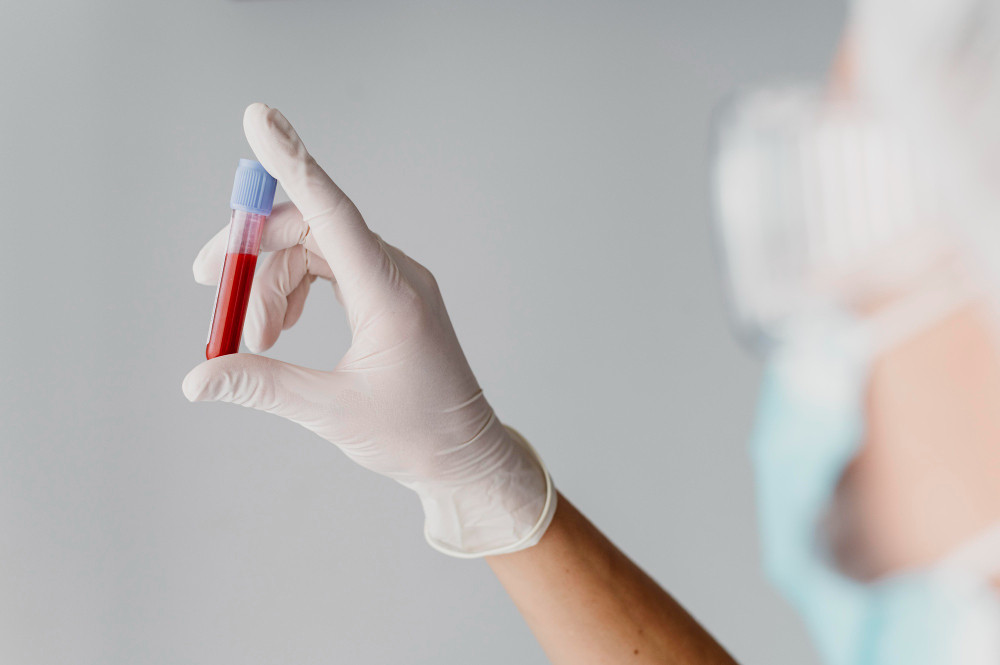
Pemeriksaaan masa perdarahan atau bleeding time (BT) merupakan pemeriksaan laboratorium klinis yang dilakukan untuk menghitung waktu yang dibutuhkan oleh tubuh untuk mengakhiri perdarahan yang disebabkan oleh luka, atau luka kecil yang dibuat dengan sengaja untuk tujuan pemeriksaan di laboratorium klinik.
Selain itu, pemeriksaan masa perdarahan juga merupakan pemeriksaan laboratorium klinis yang dilakukan untuk menilai fungsi dari pembuluh darah dan keping darah (trombosit) meliputi kemampuan dari trombosit untuk membentuk gumpalan darah. Pemeriksaan ini dilakukan melalui proses dengan membuat luka tusuk pada permukaan kulit, sehingga terjadi kerusakan pada pembuluh darah kapiler (pembuluh darah yang berada di bawah permukaan kulit). Setelah itu petugas akan melakukan pemantauan terhadap waktu yang dibutuhkan tubuh untuk menghentikan perdarahan tersebut.
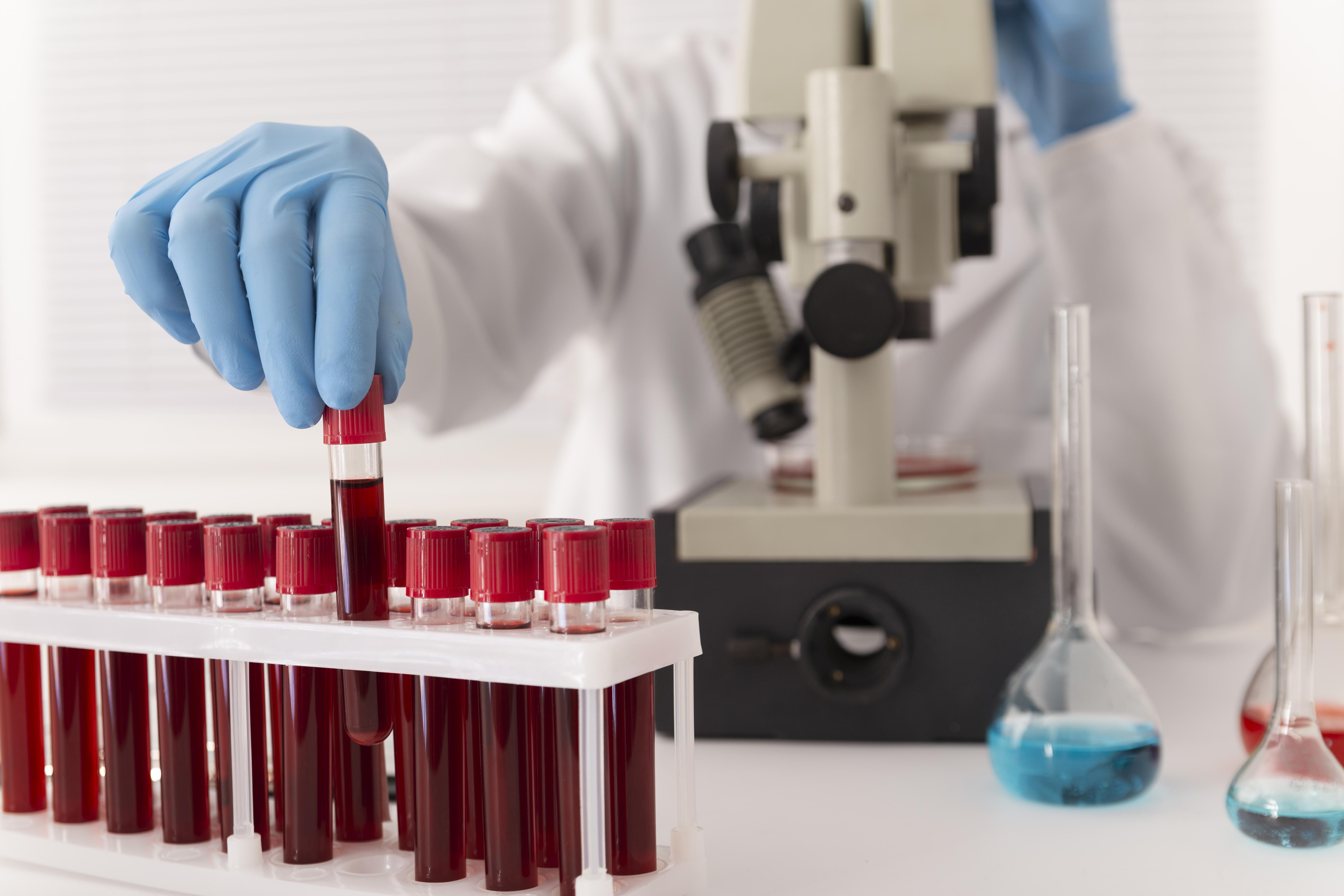
Pemeriksaan masa perdarahan umumnya dikerjakan bersamaan dengan pemeriksaan lainnya seperti pemeriksaan masa pembekuan (coagulation time, CT), prothrombin time (PT), atau activated partial thromboplastin time (APTT) sebagai bagian dari pemeriksaan panel hemostasis darah (panel pemeriksaan laboratorium yang dimanfaatkan untuk menilai fungsi pembekuan darah di dalam tubuh).
Proses Pembekuan Darah
Masa perdarahan merupakan waktu yang menggambarkan proses pembekuan darah (hemostasis). Proses ini merupakan rangkaian kejadian yang membuat perdarahan berhenti melalui pembentukan gumpalan darah. Trombosit memiliki peranan yang penting dalam proses pembekuan darah, dimulai dari penempelan trombosit ke dinding pembuluh darah yang mengalami perlukaan hingga perlekatan faktor pembekuan darah pada dinding pembuluh darah. Apabila trombosit tidak berfungsi dengan semestinya dalam beberapa proses ini, maka masa perdarahan akan memanjang. Hal ini dapat dijadikan sebagai penanda bahwa adanya kelainan pada fungsi trombosit atau pembuluh darah di dalam tubuh.
Indikasi
Pemeriksaan masa perdarahan umumnya diajukan oleh dokter apabila Anda memiliki beberapa keluhan yang dicurigai mengarah ke kondisi kelainan perdarahan seperti:
- Perdarahan yang mengalir lebih lama saat terjadi luka atau trauma
- Mudah memar apabila terkena trauma atau gesekan yang minimal
- Darah menstruasi yang lebih banyak
- Mimisan atau gusi berdarah yang tidak mudah berhenti
Pemeriksaan masa perdarahan juga dilakukan untuk penyaringan atau skrining untuk:
- Penegakan diagnosis ke arah penyakit von-Willebrand (penyakit yang disebabkan oleh gangguan atau kelainan faktor pembekuan darah tertentu)
- Pasien yang akan menjalani prosedur pembedahan di ruang operasi atau tindakan yang invasif di klinik rawat jalan, untuk memperkirakan kemungkinan terjadinya perdarahan yang berlebihan selama proses tindakan pembedahan atau tindakan invasif lainnya, dilakukan terutama pada pasien yang:
- Memiliki kelainan perdarahan
- Sedang mengonsumsi obat-obatan seperti aspirin atau obat anti inflamasi non steroid
- Untuk menilai adanya gangguan fungsi trombosit apabila didapatkan jumlah trombosit dan pemeriksaan faktor pembekuan darah seperti PT atau APTT didalam rentang normal
Kontraindikasi
Tidak ada kontraindikasi atau kondisi yang membuat seseorang tidak bisa melakukan pemeriksaan ini.
Persiapan Sebelum Pemeriksaan
Tidak ada persiapan khusus sebelum melakukan pemeriksaan masa perdarahan. Pemeriksaan ini bisa dilakukan dalam keadaan tidak berpuasa. Meskipun demikian, Anda disarankan untuk melakukan konsultasi medis terlebih dahulu kepada dokter sebelum melakukan pemeriksaan masa perdarahan, sebab ada beberapa kondisi atau penggunaan obat tertentu yang dapat menganggu hasil laboratorium sehingga tidak menggambarkan kondisi Anda yang sesungguhnya. Beberapa obat yang dapat meningkatkan lama masa perdarahan misalnya aspirin atau obat anti inflamasi non steroid.
Prosedur Pemeriksaan
Pemeriksaan masa perdarahan umumnya menggunakan sampel darah yang minimal melalui perlukaan kecil pada pembuluh darah kapiler. Petugas laboratorium akan memakai sarung tangan khusus dan APD (Alat Pelindung Diri) sebelum dan saat melakukan pemeriksaan tersebut.
Pemeriksaan masa perdarahan umumnya menggunakan metode Duke karena lebih mudah dikerjakan. Sebelum melakukan perlukaan pada pembuluh darah kapiler, terutama biasa dikerjakan di daerah daun telinga, petugas akan membersihkan area penusukan jarum dengan kasa antiseptik atau kapas alkohol 70%. Kemudian, petugas menusukkan jarum kecil pada daun telinga. Setelah dilakukan penusukan, petugas akan menyalakan stopwatch saat tetesan darah mulai keluar. Saat tetesan darah tersebut keluar, petugas akan menggunakan kertas saring untuk menyerap tetesan darah setiap 30 detik hingga aliran darah pada luka berhenti yang ditandai dengan tidak adanya darah yang terserap pada kertas saring. Petugas akan menghentikan stopwatch dan mencatat masa perdarahan tersebut.
Prosedur pemeriksaan ini hanya berlangsung selama beberapa menit saja dan hasilnya bisa diketahui dalam beberapa menit kemudian.
Nilai Normal dan Abnormal
Rentang nilai normal masa perdarahan umumnya tidak dibedakan berdasarkan usia dan jenis kelamin. Secara umum, berikut ini merupakan rentang nilai normal dan abnormal pada hasil pemeriksaan masa perdarahan berdasarkan metode Duke.
|
Nilai (Menit) |
Interpretasi |
|
1 – 3 |
Normal |
|
>3 |
Memanjang |
Meskipun demikian, setiap laboratorium memiliki patokan rentang nilai yang sedikit berbeda antara satu laboratorium dengan laboratorium lainnya sesuai metode yang dilakukan dan panduan yang dianut, misalnya 1 – 5 menit masih dianggap normal dan lebih dari 5 menit dianggap memanjang.
Hasil dan Saran (Pemeriksaan Lanjutan)
Normal
Jika hasil pemeriksaan masa perdarahan Anda menunjukkan nilai normal, kemungkinan besar Anda telah menjalankan pola hidup sehat dengan baik dan tidak ada kelainan yang berhubungan pembekuan darah apabila tidak ada gejala dan tanda klinis seperti perdarahan yang lama berhenti atau mudah berdarah atau memar saat terkena gesekan minimal.
Anda disarankan untuk tetap mempertahankan pola hidup sehat Anda saat ini sehingga dapat mencegah beberapa penyakit yang ditandai oleh memanjangnya masa perdarahan.
Memanjang
Jika hasil pemeriksaan masa perdarahan Anda menunjukkan nilai memanjang, sebaiknya Anda berkonsultasi dengan dokter. Perlu diperhatikan juga bahwa beberapa obat seperti aspirin atau obat anti inflamasi non steroid yang dikonsumsi sebelum pemeriksaan masa perdarahan dapat menyebabkan hasil masa perdarahan menjadi memanjang sehingga harus dipastikan bahwa penyebab ini sudah disingkirkan sebelumnya.
Apabila betul-betul didapatkan masa perdarahan yang memanjang, kemungkinan dokter akan menyarankan untuk pemeriksaan lanjutan misalnya pemeriksaan darah tepi lengkap disertai apusan darah tepi untuk menilai jumlah dan bentuk trombosit, pemeriksaan fungsi trombosit, atau pemeriksaan untuk menilai aktivitas faktor pembekuan darah lainnya.
Beberapa penyebab yang dapat menimbulkan terjadinya masa perdarahan yang memanjang meliputi:
- Kelainan pembuluh darah (misalnya kelainan kolagen pada sindrom Ehlers Danlos)
- Kelainan fungsi keping darah (trombosit) yang dapat disertai dengan penurunan jumlah trombosit (trombositopenia)
- Penggunaan obat-obatan tertentu seperti obat pengencer darah dapat menjadi faktor perancu yang menganggu peran dari trombosit
Meskipun nilai masa perdarahan Anda menunjukkan nilai yang memanjang, Anda tidak disarankan untuk melakukan diagnosis medis sendiri sehingga perlu datang ke dokter untuk melakukan konsultasi dan pemeriksaan fisis apabila ada keluhan dan tanda tertentu.
Konsultasikan ke Dokter yang Tepat
Hasil pemeriksaan masa perdarahan pada orang dewasa dapat dikonsultasikan dengan dokter umum, untuk selanjutnya dilakukan pemeriksaan lanjutan ataupun memulai terapi untuk diagnosis yang sesuai. Anda juga dapat berkonsultasi dengan dokter penyakit dalam atau konsultan hematologi - onkologi untuk berdiskusi mengenai masalah masa perdarahan Anda lebih jauh. Pada pasien anak, hasil pemeriksaan selain normal harus dikonsultasikan dengan dokter spesialis anak.
Mau tahu informasi seputar hasil pemeriksaan laboratorium, radiologi, dan lainnya? Cek di sini, ya!
- dr Hanifa Rahma

Medscape. Bleeding time. 2020 September. Available from: https://emedicine.medscape.com/article/2085022-overview#a1
Medline Plus. Bleeding time. 2022 April. Available from: https://medlineplus.gov/ency/article/003656.htm
National Library of Medicine. Bleeding time. 2021 August. Available from: https://www.ncbi.nlm.nih.gov/books/NBK537233/