Definition
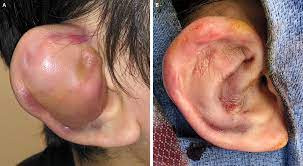
A perichondrial hematoma, also known as cauliflower ear, is a deformity of the outer ear that typically occurs after blunt trauma to the ear, causing damage and bleeding. This injury can result in the ear becoming bumpy and resembling the shape of a cauliflower, hence the term "cauliflower ear." If left untreated, blood flow to the outer ear may be disrupted, leading to permanent damage.
If you have ever watched wrestling matches, you might notice the distinctive appearance of some athletes’ ears, which is caused by perichondrial hematoma, often referred to as wrestler’s ear.
Fortunately, perichondrial hematomas are easily preventable by using protective gear, undergoing drainage therapy, or opting for ear surgery (otoplasty).
Causes
In most cases, perichondrial hematoma is a complication of direct blunt injury to the ear. The outer ear is made up of cartilage, not bone. If the ear is injured, the blood vessels supplying the cartilage may tear, causing blood to accumulate between the cartilage and the perichondrium. The perichondrium is the connective tissue surrounding the cartilage and is crucial for providing blood and nutrients to it.
This blood clot (hematoma) disrupts the blood supply, depriving the ear cartilage of the nutrients it needs. This can lead to infection and tissue death, causing the soft tissue to deform and scar, resulting in a bumpy appearance similar to cauliflower.
Occasionally, perichondrial hematoma can occur due to infections from piercings or other injuries. In most cases, the outcome is the same—blood clots or swollen tissue block blood flow to the ear cartilage, leading to tissue death and deformity.
Risk Factor
Anyone at risk of head and ear injuries is also at risk of developing a perichondrial hematoma. Common risk factors include blunt injuries, especially from certain sports like boxing, MMA, water polo, and wrestling.
Additionally, individuals taking blood thinners are at a higher risk of developing this condition.
Symptoms
If you experience an ear injury or a blow to the side of your face, examine your outer ear in a mirror. Common signs and symptoms of perichondrial hematoma include:
- A history of:
- Blunt trauma to the outer ear
- Ear diseases, including inflammation and infection
- Redness, bruising, and/or swelling of the outer ear
- Pain or tenderness
- Deformity or change in the shape of the outer ear
In severe cases, the following may be present: - Pronounced swelling and lumps in the outer ear, sometimes distorting the ear and blocking the ear canal
- Hearing impairment or complete deafness
- Ringing in the ears
- Headache
- Blurred vision
Management
Perichondrial hematoma should be treated as soon as possible. While it may not lead to serious complications, early intervention can easily prevent further damage, even after an injury has occurred.
Immediately following an injury, apply ice to the affected area for 15 minutes at a time to help reduce swelling and prevent the development of a hematoma. Afterward, seek medical attention.
If a doctor detects accumulated or clotted blood in the outer ear, they can drain it by making a small incision or using a needle. The ear is typically stitched to close any gaps where blood may collect. The ear is then wrapped with gauze and compressed to minimize further bleeding, allowing the ear to heal and retain its normal shape. In most cases, the ear heals well after this procedure. Antibiotics are usually prescribed to prevent infection.
You should avoid activities that could cause further ear injuries until your ear is fully healed. Ask your doctor when it’s safe to resume normal activities. Following medical instructions is crucial for recovery.
Perichondrial hematoma can recur, so it is important to monitor your ear for any swelling even after the drainage procedure.
If swelling is not addressed promptly or if the initial treatment is unsuccessful, the cartilage may thicken and form scar tissue, resulting in a permanent cauliflower-like deformity. If your ear has already taken on this shape, you may need otoplasty or plastic surgery to correct the deformity. The doctor will remove the blood clots, dead cartilage, and excess scar tissue. If necessary, cartilage grafts from other parts of the body may be used to provide structure to the ear. The ear will be reshaped as normally as possible and stitched to ensure the tissue connects to the cartilage. Physical activities can typically be resumed in about six weeks, though the doctor may recommend waiting longer.
The longer a perichondrial hematoma is left untreated, the more complex the otoplasty, and the higher the chance of recurrence. Therefore, it is important to seek medical attention immediately if you suspect you are at risk and take precautions to avoid ear injuries.
Complications
The primary complication following the drainage of a perichondrial hematoma is recurrence. Other complications typically involve aesthetic concerns, although they can sometimes result in pain or ear canal obstruction, leading to hearing loss. Additionally, there is an increased risk of infection in perichondrial hematomas.
Prevention
Unlike treatment, preventing perichondrial hematomas is much easier. This condition can be entirely avoided with simple measures such as:
- Using protective gear to shield your ears, especially if you’re at high risk for ear injuries, such as athletes in wrestling. You can wear gear specific to your sport, like wrestling helmets.
- Avoiding upper ear piercings whenever possible.
- Consulting a doctor about blood thinner usage if you participate in contact sports. Blood thinners increase the risk of developing perichondrial hematoma, so avoiding them before engaging in contact sports can help prevent this condition. However, do not stop taking prescribed medication without first consulting your doctor.
- Seek immediate medical help if your ear begins to swell, bleed, or bruise, or if you experience pain after blunt trauma, piercing, or any other cause.
When to See a Doctor?
Although perichondrial hematomas are easily identified once they form, they are harder to detect in their early stages when only a small amount of blood has accumulated. Therefore, you should still seek medical attention if your ear becomes swollen or bruised following blunt trauma or any other injury.
Looking for more information about other diseases? Click here!
- dr. Alvidiani Agustina Damanik
Madormo, C. (2017) Cauliflower ear: Identification, treatment, and more, Healthline. Healthline Media. Available at: https://www.healthline.com/health/cauliflower-ear#outlook (Accessed: November 26, 2022).
Cauliflower ear: Causes, symptoms, and treatments (2017) Medical News Today. MediLexicon International. Available at: https://www.medicalnewstoday.com/articles/316220#Symptoms (Accessed: November 26, 2022).
Cauliflower ear: What it is, causes & treatment (2022) Cleveland Clinic. Available at: https://my.clevelandclinic.org/health/diseases/23146-cauliflower-ear (Accessed: November 26, 2022).