Definition
The pelvis is the bone structure in the lower part of the trunk that supports the spine and the organs within the abdomen. Blunt pelvic trauma refers to an injury to the pelvis caused by high-energy forces that do not penetrate the pelvis. This type of injury does not result in open wounds because the skin remains intact, but it can cause damage to the pelvic bones and surrounding organs.
Trauma or injury to the pelvis can range from mild to severe, with complex trauma potentially leading to shock and multiple organ dysfunction. Pelvic trauma is often associated with additional injuries and may require blood transfusions and extended rehabilitation.
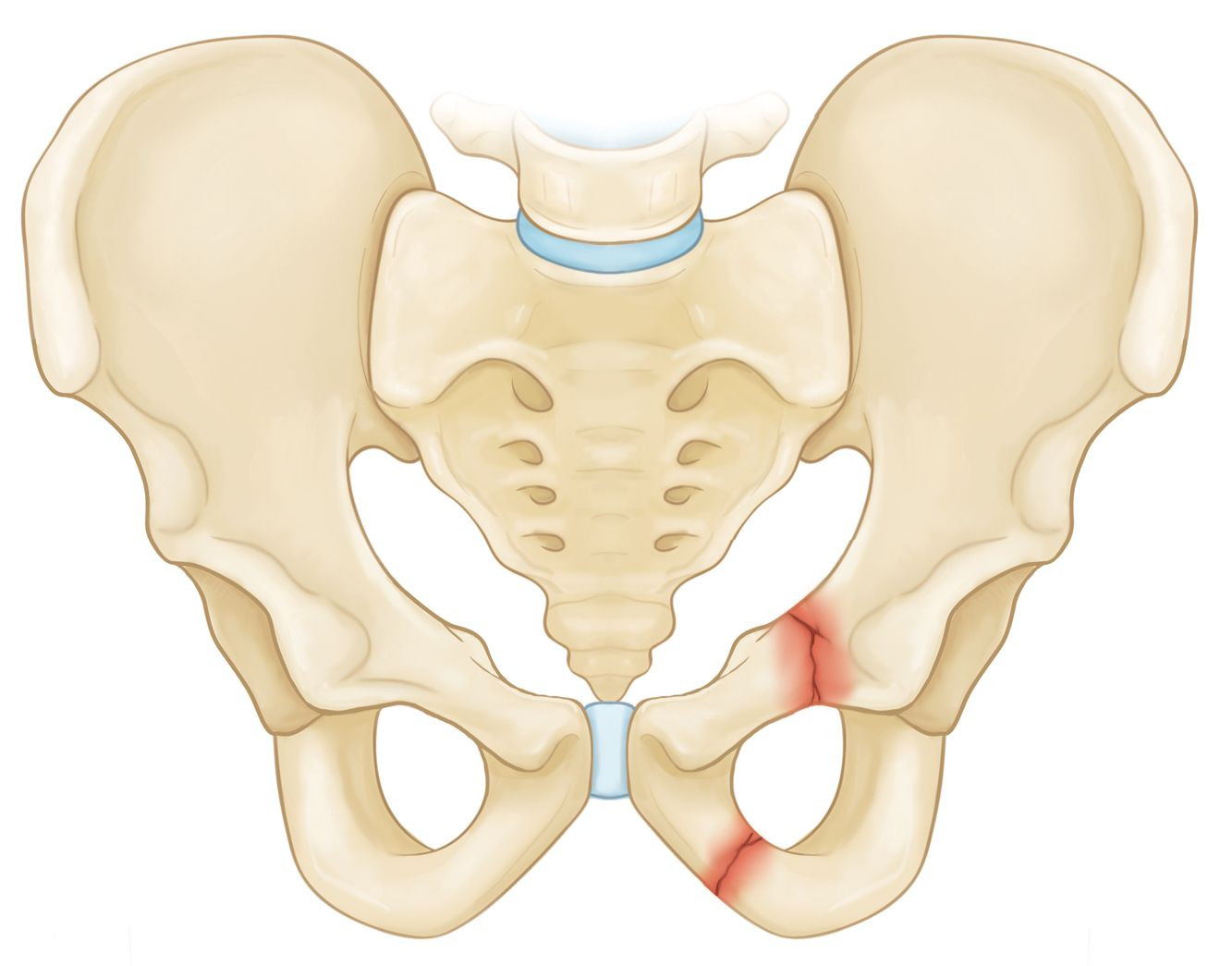
The pelvis is a ring-shaped bone structure located below the abdomen. The bones that make up the pelvic area include:
- The sacrum, a large triangular bone at the base of the spine
- The pelvic bones, consisting of the pubis, ilium, and ischium
- The coccyx (tailbone)
The pelvis protects organs such as the digestive tract, bladder, and reproductive organs and contains blood vessels and nerves. When you sit or walk, your body weight is distributed through the pelvis, which also serves as an anchor for the muscles of your legs.
Causes
Since the bones that make up the pelvis are very strong, it requires a significant force or impact to damage this structure. As a result, pelvic fractures are relatively rare. Of all fracture cases, only about 3% of fractures in adults occur in the pelvis.
The extent of pelvic damage depends on the amount of energy the pelvis receives from the blunt trauma and the direction of the fracture. Most cases of blunt pelvic trauma occur due to:
- Traffic accidents
- Falls from a height
- Being crushed by heavy objects such as a tree or machinery
- Vehicle collisions involving pedestrians or cyclists
Risk Factor
Anyone can experience blunt pelvic trauma at any age. However, older adults are more vulnerable to this condition because as age increases, bone density and strength decrease. Many elderly people have osteoporosis (bone thinning), which increases their risk of blunt pelvic trauma.
Symptoms
The symptoms of blunt pelvic trauma vary depending on the severity of the injury, whether it is mild or severe, and if other organs nearby are also injured. Possible symptoms include:
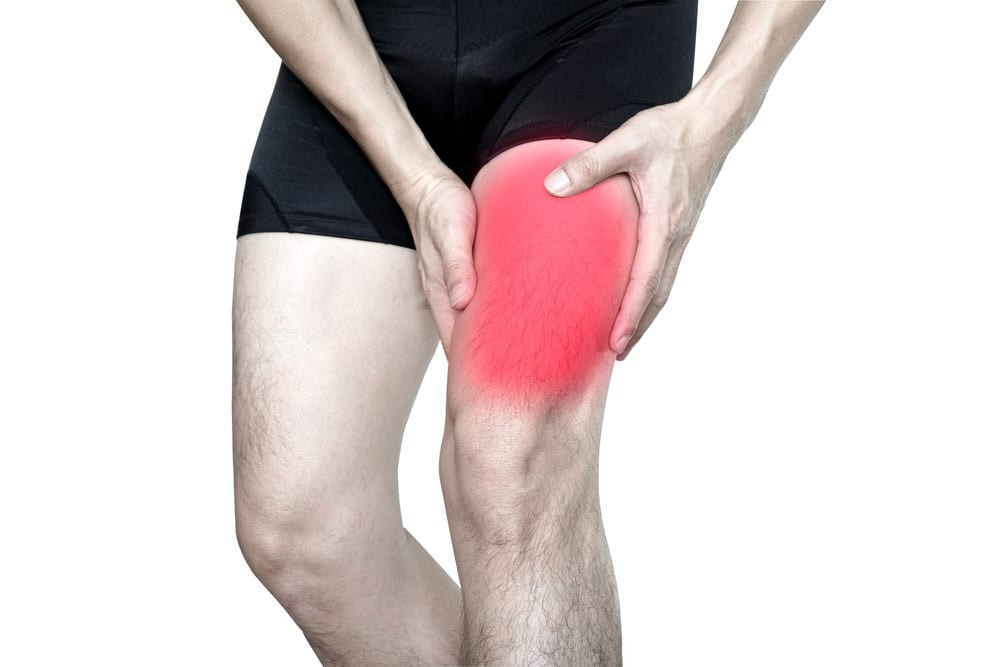
- Pain in the pelvic area, abdomen, lower back, and/or groin
- Bruising or swelling in the pelvis
- Numbness or tingling in the legs or groin
- Difficulty standing or walking
- Urinary problems such as blood in the urine or inability to urinate
- Bleeding
Diagnosis
Medical Interview
To diagnose and manage blunt pelvic trauma, the doctor will first ensure that the patient is stable. Typically, the doctor will ask the patient or those accompanying them detailed questions about:
- The mechanism of the injury
- Whether the patient can move
- Problems with urination or bowel movements
- Numbness or weakness in the legs
- The patient’s medical history
Physical Examination
The doctor will assess the patient’s stability and check vital signs. Next, a complete examination from head to toe will be performed. The doctor may conduct a rectal exam by inserting a finger into the anus to check for bleeding, indicating gastrointestinal injury. In men, this examination can also indicate prostate injury. The doctor will also examine the pelvic area and urinary opening for signs of injury to the urinary tract.
Diagnostic Tests
Laboratory tests are useful in trauma cases to identify bleeding and assess blood clotting.
Radiological tests are also valuable for evaluating fractures or organ damage due to blunt pelvic trauma. Ultrasound may be conducted in the emergency room to identify internal bleeding. A pelvic X-ray can be used to evaluate pelvic structures and help identify life-threatening causes of injury.
A CT scan can provide a three-dimensional reconstruction of the bones and can be used by the doctor to plan surgery. Additionally, a CT scan with contrast can enhance the ability to detect injuries such as bleeding from blood vessels, urinary tract injuries, and rectal injuries. A urethrogram may assist in diagnosing urinary tract injuries.
Management
Blunt pelvic trauma, regardless of its severity, has the potential to be life-threatening. Treatment aims to address life-threatening conditions first and stabilize the patient, which may include aggressive fluid administration or blood transfusions for patients with low blood pressure and bleeding.
A pelvic binder may be applied if there are signs of pelvic structural disruption. This binder can reduce bleeding and is applied temporarily until surgical repair can be performed.
After addressing life-threatening issues, the doctor will repair other injuries, such as unstable fractures, often through fixation surgery. This surgery aims to relieve pain, realign bone segments, control bleeding from the fractured bones, and allow the patient to mobilize more quickly.
Complications
Blunt pelvic trauma is associated with conditions such as pelvic fractures, injuries to nearby organs, or damage to surrounding blood vessels and nerves. Blunt pelvic trauma is relatively rare, with pelvic fractures occurring in about 10% of all fracture cases due to blunt trauma.
Additionally, around 16% of patients with pelvic fractures also have at least one other injury, most commonly to organs like the bladder, ureter, spleen, liver, or kidneys. Approximately 1-2% of rectal injuries occur due to pelvic trauma. Vaginal injuries are reported in 2-4% of pelvic trauma cases.
The pelvis contains major arteries and veins, which are often injured together due to their close proximity. Additionally, fractures can lead to severe bleeding, which can cause shock. Bleeding from pelvic trauma is a major contributor to increased morbidity and mortality rates. Nerve injuries are less common than blood vessel injuries in pelvic trauma, but compression from pelvic cavity bleeding can press on and damage nerves.
Prevention
Depending on your age and lifestyle, there are several things you can do to try to prevent blunt pelvic trauma, including:
- Walking Aids
Use walking aids if you are at high risk of falling. Devices such as canes or walkers can help prevent falls and reduce the risk of blunt pelvic trauma.
- Drive Carefully
High-energy motor vehicle accidents are a common cause of blunt pelvic trauma. Always drive within safe speed limits, follow traffic rules, and don’t forget to wear a helmet or seatbelt.
- Follow Ladder Safety Instructions
When using a ladder, ensure you perform activities correctly and safely. Always make sure your ladder is in a secure position before using it.
When to See a Doctor?
If you experience symptoms of blunt pelvic trauma, such as pain in the pelvic area and difficulty walking or standing, make sure to consult a doctor or go to the nearest hospital immediately.
Looking for more information about other diseases? Click here!
- dr. Alvidiani Agustina Damanik
Pelvic trauma - statpearls - NCBI bookshelf (2022). Available at: https://www.ncbi.nlm.nih.gov/books/NBK556070/ (Accessed: February 2, 2023).
Pelvic fractures: Treatment, symptoms & types (2021) Cleveland Clinic. Available at: https://my.clevelandclinic.org/health/diseases/22176-pelvic-fractures (Accessed: February 2, 2023).
Injuries to the pelvis (no date) Injuries to the Pelvis - After Trauma. Available at: https://www.aftertrauma.org/injuries-to-the-pelvis/injuries-to-the-pelvis (Accessed: February 2, 2023).