
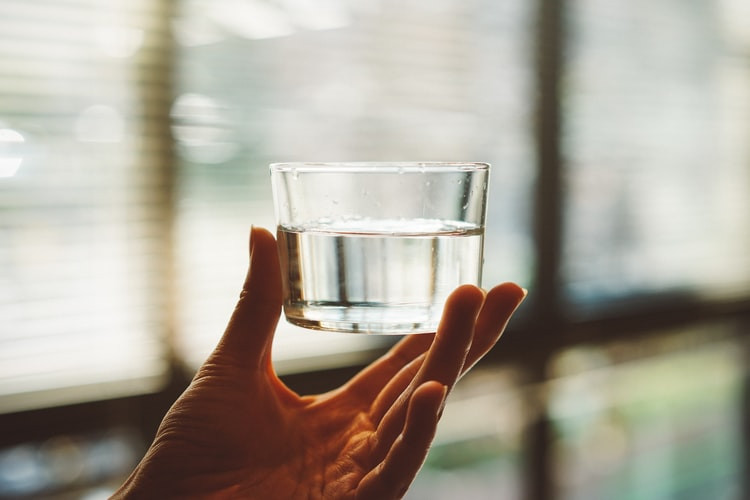
Dehydration is simply when the body loses more fluid than it takes in. If you don’t replace what’s lost promptly, you can become dehydrated.
Anyone, from infants and children to adults can experience dehydration. In children, dehydration often follows vomiting or diarrhea, while adults typically become dehydrated when they don’t drink enough fluids.
Signs of Dehydration
According to the Mayo Clinic, several signs can indicate your body is dehydrated.
In infants or children:
-
Dry mouth and tongue
-
No tears when crying
-
Dry diapers and no urination for three hours
-
Sunken eyes and cheeks
-
Sunken soft spots on the head
-
Lethargy and irritability
In adults:
-
Intense thirst
-
Infrequent urination
-
Dark-colored urine
-
Marked fatigue
-
Dizziness
-
Confusion
In general, the causes of dehydration include four main factors: diarrhea, fever, heavy sweating, and frequent urination. However, it’s also important to know that some commonly heard beliefs about dehydration aren’t always accurate.
As reported by The Healthy, here are five dehydration myths you should know.
Myth 1: Thirst means you’re already dehydrated
Thirst isn’t always a sign of dehydration; Thirst can occur when the body losts the fluid from crying, sweating, or exertion. If you drink to replace the lost fluid and the thirst subsides, you’re not necessarily dehydrated yet.
Myth 2: Everyone must drink eight glasses of water daily
While staying hydrated is essential, the “eight glasses” rule doesn’t fit everyone. For instance, in people with heart or kidney disease, too much fluid can raise the risk of heart failure, pulmonary edema, or water intoxication.
Doctor Roger E. Adams, PhD, says, “For some people, eight glasses may be sufficient, especially those who engage in strenuous activity. Body size also determines how much fluid is needed to replace sweat. However, if you’re small and don’t sweat much, your fluid needs may be met even with less than eight glasses.”
Myth 3: You must start every morning by drinking water
It isn’t mandatory to begin your day with water. Some say the body becomes dehydrated during sleep, but that’s not entirely true. Nephrologist Dr. Dara Huang, MD, notes that waking to slightly darker yellow urine doesn’t automatically mean dehydration; it more likely reflects normal kidney function.
Myth 4: Coconut water is the best rehydration choice
Claims that coconut water is the top way to replace lost fluids are overstated. Plain water is generally sufficient to hydrate you, drinking coconut water isn’t exactly required to replenish your fluid intake.
Myth 5: Caffeine dehydrates you
Even higher intakes of caffeine won’t necessarily dehydrate you. Caffeine can have a diuretic effect, increasing urination, but that doesn’t automatically translate to dehydration.
To meet fluid needs and prevent dehydration, and if you’re wondering how to rehydrate, plain water is usually enough, though fruits and vegetables with high water content can also help.
Looking for more information about other diseases? Click here!
- dr Hanifa Rahma
Mayo Clinic Staff. 2019. Dehydration. Mayo Clinic. Available from : https://www.mayoclinic.org/diseases-conditions/dehydration/diagnosis-treatment/drc-20354092
Tigar, Lindsay. 2019. 10 Myths About Hydration You Need to Stop Believing Right Now. The Healthy. Available from : https://www.thehealthy.com/hydration/hydration-myths/