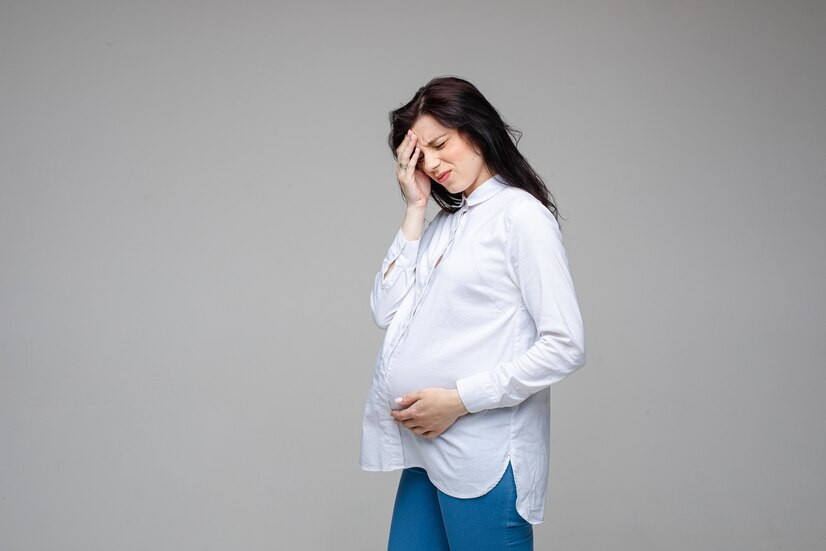

Worm infections during pregnancy can lead to nutritional deficiencies, that in turn may affect fetal development. Therefore, if a pregnant woman is diagnosed with a worm infection, it is crucial to seek immediate medical attention and begin treatment promptly.
This article highlights the causes of worm infection during pregnancy, how to treat them, and ways to prevent these infections.
Causes of Worm Infections during Pregnancy
Worm infections refer to parasitic worms that enter the human body. The paracytes live in the digestive system, leading to a range of symptoms. Pregnant women can be affected by different types of worm infections, including tapeworms, pinworms, roundworms, hookworms, and others.
These infections commonly occur when a pregnant woman consumes contaminated water containing worm eggs or food that contains worm larvae. The transmission of worm infection is associated with poor hygiene practices, such as:
-
Inadequate personal and environmental hygiene.
-
Living or visiting areas with poor sanitation.
-
Residing in regions where worm infestations are common.
-
Not having access to a proper bathroom or toilet.
-
Improper disposal of livestock waste.
-
Eating raw or undercooked food.
The Risks of Worm Infections for Pregnant Women
Worm infections during pregnancy are a serious concern because these parasites absorb nutrients from the mother’s body, and they can potentially interfere with fetal growth. The risks of worm infections in pregnant women include:
-
Low birth weight.
-
Increased risk of miscarriage.
-
Impaired neurodevelopment of the baby in their growth period.
-
The baby will have weakened immune system compared to other healthy infants.
Symptoms of Worm Infections during Pregnancy
The symptoms of worm infections during pregnancy can vary depending on the types of parasite. While some infections might be asymptomatic, moderate to severe cases can present with symptoms such as:
-
Fever
-
Diarrhea
-
Abdominal pain
-
Visible worms in stool
-
Significant weight loss
-
Headaches
-
Muscle weakness
Treating Worm Infections in Pregnant Women
Pregnant women diagnosed with a worm infection should seek medical treatment immediately. According to the World Health Organization (WHO), early treatment of worm infections during pregnancy is essential to minimize the risk of birth complications like low birth weight and neonatal death.
The types of treatment typically depend on the specific type of worm infection. Some treatment options may include:
- Antiparasitic medications, such as:
- Praziquantel
- Niclosamide
- Albendazole
- Nitazoxanide
- Corticosteroids can help reduce inflammation and control excessive immune responses that may damage other tissues.
- In some cases, surgery may be necessary, particularly when larval cysts cannot be treated with medication alone.
Preventing Worm Infections in Pregnant Women
Worm infections are primarily linked to poor hygiene. Pregnant women can take several steps to reduce their risk of parasitic infections, including:
-
Washing hands thoroughly with soap before eating, preparing food, after touching the ground, and after using the toilet.
-
Always using a clean toilet with running water for urination and defecation.
-
Drinking only boiled or bottled water, especially in areas where access to clean water is limited.
-
Washing fruits and vegetables thoroughly before consumption or cooking.
-
Ensuring that meat is cooked thoroughly to kill any potential worms.
-
Properly handling frozen meat to ensure worm eggs or larvae are eliminated.
-
Regularly deworming pets such as dogs and cats.
-
Disposing of pet and livestock waste properly, far from water sources.
Worm infections during pregnancy pose serious risks, including miscarriage and low birth weight. If you're at high risk of worm infections and are trying to conceive, it's essential to consult a healthcare provider for the best prevention strategies. You can also access health consultations via the Ai Care app, available for download on both the App Store and Play Store.
Looking for more information about other diseases? Click here!
- dr Hanifa Rahma
American Preganncy Association. Parasitic Worm Infection During Pregnancy. Available from: https://americanpregnancy.org/healthy-pregnancy/is-it-safe/parasitic-worm-infection-during-pregnancy/#
WHO. Deworming women during pregnancy has a positive effect on child survival and health. Available from: https://www.who.int/news/item/29-04-2021-deworming-women-during-pregnancy-has-a-positive-effect-on-child-survival-and-health
Mayo Clinic. Tapeworm Infection. Available from: https://www.mayoclinic.org/diseases-conditions/tapeworm/symptoms-causes/syc-20378174
NHS. Worms in Humans. Available from: https://www.nhs.uk/symptoms/worms-in-humans/