If you enjoy eating coconut milk, fried foods, and other unhealthy meals, it's a good idea to monitor your cholesterol levels regularly. These foods can increase your bad cholesterol levels, which may lead to more serious health issues like heart attacks and strokes. Managing cholesterol levels is key to preventing a range of heart and blood vessel diseases. So, what are the signs of high cholesterol levels?
Signs of High Cholesterol Levels
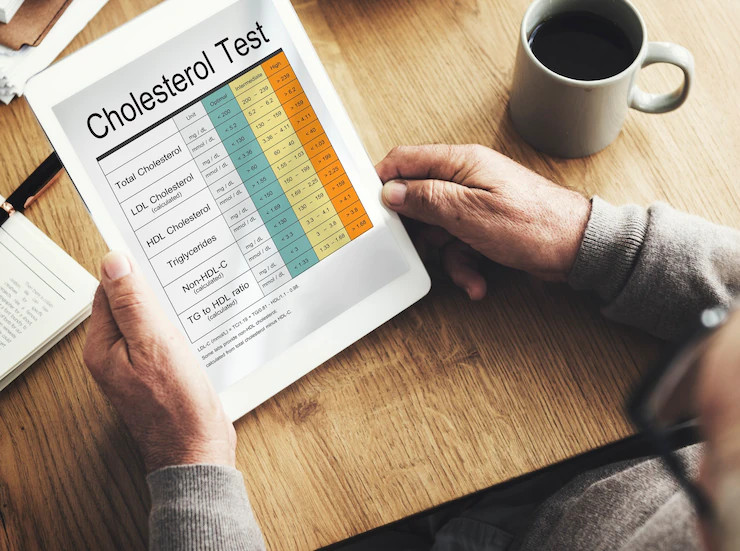
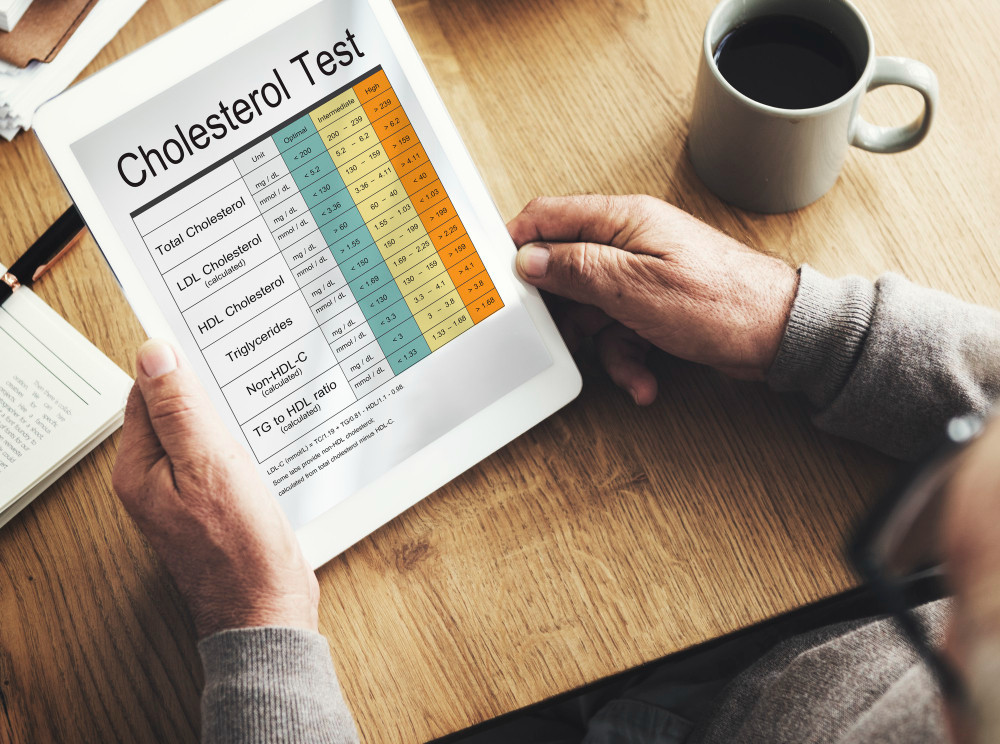
Many individuals don’t realize they have high cholesterol levels. According to Healthline, this is because high cholesterol levels typically doesn’t present noticeable symptoms. The only way to know your cholesterol level is through a blood test. Cholesterol is considered high if it exceeds 200 mg/dl.
While high cholesterol levels are often asymptomatic, there are a few symptoms that might occur if complications arise, such as:
1. Fatigue
One often overlooked symptom of high cholesterol levels is fatigue. This is linked to the buildup of plaque in the blood vessels, which limits blood flow to the body's tissues. As a result, the body’s organs have to work harder to metabolize, especially with restricted blood flow. This can cause the body to feel unusually tired throughout the day, even after getting enough rest.
2. Chest Pain (Angina)
Have you ever experienced chest pain? This could be a sign of angina, a complication of high cholesterol levels. According to the NHS, angina is chest pain caused by blocked blood flow to the heart muscle. The symptoms of angina include chest pain, a sensation of heaviness, and tightness in the chest. While angina itself is generally not dangerous, it could indicate that you are at risk of a heart attack or stroke.
3. Tingling or Numbness
Another symptom associated with high cholesterol levels is tingling sensations in the hands and feet. Sometimes, this tingling is accompanied by pain or discomfort when walking or moving the legs. Livestrong reports that tingling and numbness, known as neuropathy, can be caused by restricted blood flow due to cholesterol-related plaque buildup. Although tingling and numbness are not direct symptoms of high cholesterol levels, frequent occurrences may point to a cardiovascular problem.
4. Jaw Pain
According to the American Heart Association, jaw pain can be a symptom of a heart attack caused by high cholesterol levels. However, it could also signal coronary artery disease, which is caused by cholesterol accumulation in the arteries. These symptoms are often accompanied by chest pain, pressure, shortness of breath, and stress. If you experience jaw pain alongside these other symptoms, it is advisable to have your cholesterol levels and heart health evaluated.
When to Consult a Doctor?
Since high cholesterol levels often doesn't show any symptoms, it is important to have regular checkups with your healthcare provider as early as possible. The American Heart Association recommends that individuals have their blood cholesterol levels tested every five years starting at the age of 20. However, if you have a history of cholesterol problems, it’s essential to check your cholesterol levels more frequently and consult a doctor for appropriate treatment.
Looking for more information about other diseases? Click here!
- dr Hanifa Rahma
Wyatt Myers. 2020. Leg and Arm Numbness: Might Cholesterol Be Blamed?. Available from : Leg and Arm Numbness: Might Cholesterol Be Blamed? (livestrong.com)
NHS. 2021. Angina. Available from : Angina - NHS (www.nhs.uk)
American Heart Association. 2020. What is Cholesterol?. Available from : What is Cholesterol? | American Heart Association
Jacquelyn Cafasso. 2018. Symptoms of High Cholesterol. Available from : High Cholesterol Symptoms: What to Know (healthline.com)