
High cholesterol level is often associated with adults, yet children can also develop this condition. Two major contributors are an unhealthy diet and genetic factors. So, is high cholesterol level in children risky, and how should it be managed?
Causes of High Cholesterol Level in Children
Cholesterol is a useful fat in the body. It is produced naturally by the liver and is needed for building cells, making hormones, and helping the body produce vitamin D. Even so, cholesterol can become harmful when it accumulates in your body excessively.
There are two main types of cholesterol: good cholesterol or high-density lipoprotein (HDL), and bad cholesterol or low-density lipoprotein (LDL). Ideally, HDL level should be higher than LDL. In children, elevated LDL level is linked to an increased risk of other serious health problems.
In most cases, high cholesterol level in children stems from daily eating habits and drinking patterns. Children who frequently consume foods and beverages with high amount of unhealthy fats, such as saturated and trans fats, have a greater chance of developing high cholesterol level.
Because children’s metabolism is not yet fully mature, high cholesterol level in children usually does not cause clear, specific symptoms. A blood test is the way to find out a child’s cholesterol level. The recommended ages for a cholesterol test are between 9 and 11 years, with repeat testing at 19 and 21 years.
For toddlers, a cholesterol test is advised if there are signs of obesity or a strong familial history of high cholesterol level. Other medical conditions that may warrant testing include kidney disease, Kawasaki disease, and juvenile idiopathic arthritis.
Normal Cholesterol Level in Children
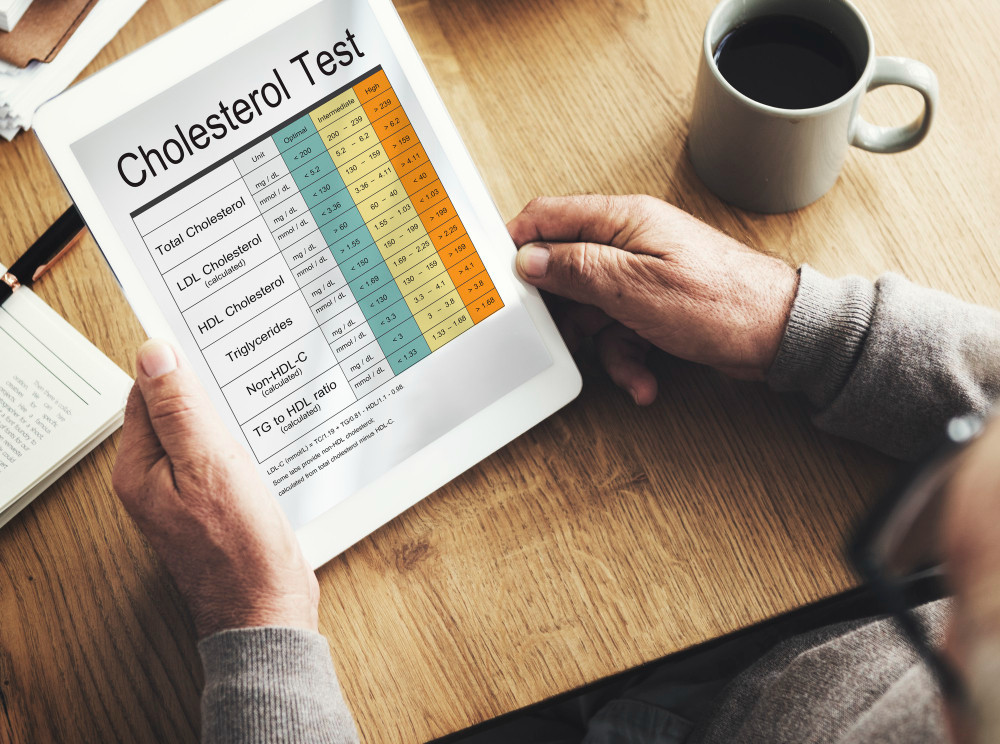
As a guide (per the Ministry of Health), a normal total cholesterol level in children is below 200 mg/dL. Meanwhile, a healthy HDL level is above 40 mg/dL, and an acceptable LDL level is below 130 mg/dL. Values above these ranges indicate that a child may have high cholesterol.
How to Manage High Cholesterol Level in Children
Because the risks of high cholesterol level in children are comparable to those in adults, parents need to stay alert to this condition. Several measures can help to lower the cholesterol level in children:
1. Improve your child’s diet
Limit foods that can raise cholesterol level. Foods high in saturated fat such as french fries, ice cream, processed meats, cheese, and chocolate milk should be limited.
When you are cooking for your children, consider replacing regular cooking oil with vegetable oils lower in saturated fat, and avoid butter high in saturated fat. If possible, choose more boiled or steamed dishes to help cut overall fat content.
2. Encourage regular physical activity
Active children tend to have better metabolism. Exercise helps burn fat and lower cholesterol level in children. A practical target of exercises is about 60 minutes of activity per day, 3-4 days each week. Options of exercises include swimming, cycling, walking, running, and aerobics or gymnastics.
Just as with adults, high cholesterol in children requires ongoing monitoring. Schedule checkups as advised by your doctor and follow the cholesterol management plan provided.
Looking for more information about pregnancy, breastfeeding, women's and children's health? Click here!
- dr Hanifa Rahma
Kids Health. Cholesterol. Available from: https://kidshealth.org/en/parents/cholesterol.html#.
Medline Plus. High Cholesterol in Children and Teens. Available from: https://medlineplus.gov/highcholesterolinchildrenandteens.html.
My Cleveland Clinic. High Cholesterol in Children. Available from: https://my.clevelandclinic.org/health/diseases/12113-high-cholesterol-in-children.
Menteri Kesehatan Republik Indonesia. Peraturan Menteri Kesehatan Republik Indonesia Nomor 41 Tahun 2014 Tentang Pedoman Gizi Seimbang. 2014.
http://hukor.kemkes.go.id/uploads/produk_hukum/PMK%20No.%2041%20ttg%20Pedoman%20Gizi%20Seimbang.pdf