
After a long day filled with outdoor activities and the stress of traffic, it's natural to want to shower and freshen up. However, many parents discourage showering at night because they believe it can cause wet lungs. But is it really true that showering at night can lead to wet lungs?
What is Wet Lung Disease?
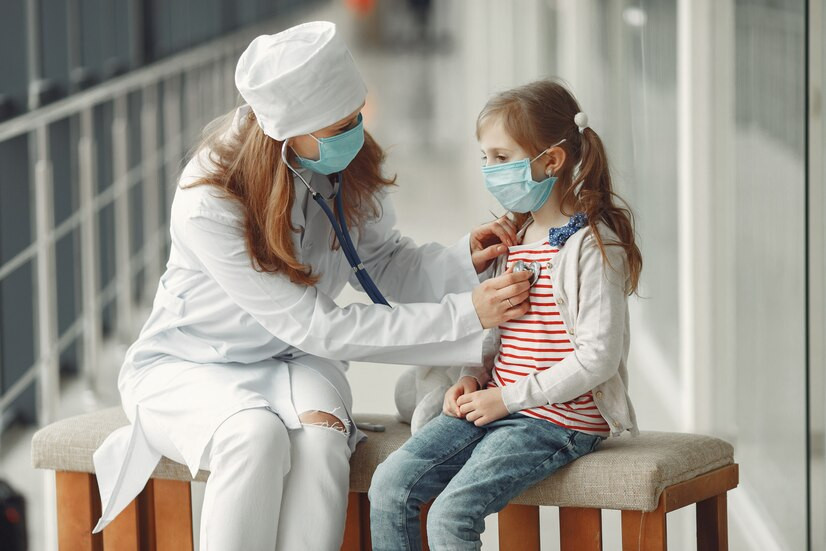
Interestingly, there is no medical condition officially known as "wet lungs." The condition that is often referred to in this way is actually pneumonia, which is the inflammation of the lungs.
Pneumonia occurs when the air sacs in one or both of the lungs become infected. This infection causes the air sacs to fill with fluid or pus, leading to symptoms such as coughing with phlegm, fever, chills, and difficulty breathing.
It's important to note that pneumonia is not caused by showering at night. Pneumonia is the result of a bacterial, viral, or fungal infection. Therefore, the idea that showering at night can cause wet lungs is simply a myth.
Benefits of Showering at Night
In fact, showering at night before bed offers several health benefits. According to the Sleep Foundation, a nighttime shower routine can signal to the brain that it’s time to sleep, promoting a smoother transition into rest.
Showering at night also helps cleanse the body of sweat, dirt, and oils accumulated throughout the day, leaving you feeling fresh before sleep.
Research has shown that a warm shower before bed can improve sleep quality. A warm shower, as opposed to a cold one, is particularly beneficial for relaxation. When suffering from a cold or pneumonia, the steam from a warm shower can also help relieve nasal congestion and improve breathing.
If you opt for a nighttime shower, make sure to use warm water that isn’t too hot. Extremely hot water can cause significant changes in blood pressure, so people with high blood pressure should consult their doctor before using very hot water.
How to Prevent Pneumonia
Since showering at night doesn't cause pneumonia, here are some helpful habits to follow to help prevent pneumonia:
-
Quit smoking or avoid secondhand smoke. Smoking can worsen lung infections.
-
Wash your hands with soap and water before eating or after using the toilet to prevent exposure to infections.
-
Avoid close contact with people who have contagious diseases like the flu, colds, or COVID-19.
-
Maintain a healthy lifestyle by eating nutritious foods, exercising regularly, and getting enough quality sleep.
-
Seek medical help if you experience infections that do not improve with over-the-counter treatments.
-
Limit alcohol consumption to reduce the risk of respiratory issues.
-
Get vaccinated against pneumonia to help prevent severe symptoms.
While pneumonia symptoms can resemble those of a regular cough, seek medical attention if your cough is accompanied by a high fever (39°C or more), chest or abdominal pain, loss of appetite, shortness of breath, or coughing up yellow, greenish, or bloody mucus.
Looking for more information about other diseases? Click here!
- dr Hanifa Rahma
Danielle Pachecho (2022). Showering Before Bed. Available from: https://www.sleepfoundation.org/sleep-hygiene/shower-before-bed
Mayo Clinic (2020). Pneumonia. Available from: https://www.mayoclinic.org/diseases-conditions/pneumonia/symptoms-causes/syc-20354204
WebMD (2022). Home Remedies for Pneumonia. Available from: https://www.webmd.com/lung/ss/slideshow-pneumonia-home-treatment
Cleveland Clinic (2022). Pneumonia. Available from: https://my.clevelandclinic.org/health/diseases/4471-pneumonia