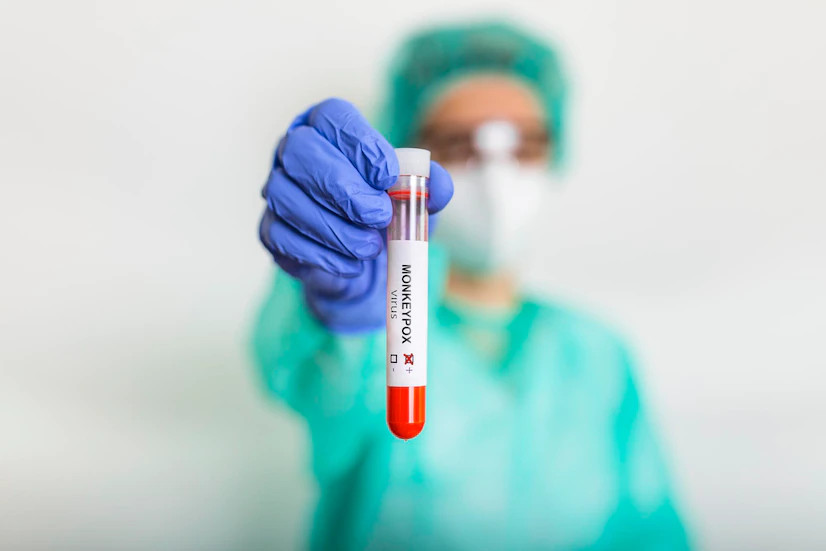
Monkeypox has recently become a major topic of concern across the globe. Many countries have reported confirmed cases and are currently taking steps to prevent further transmission.
The World Health Organization (WHO) declared monkeypox a global health emergency on July 23, 2022. Shortly after, Indonesia’s Ministry of Health confirmed the country’s first case through a live press conference broadcast on the Ministry’s official YouTube channel on Saturday (20/8).
The public is encouraged to stay calm, remain alert, and maintain good health practices to help limit the spread of this infection caused by the human monkeypox orthopoxvirus (MPXV).
Recognizing Monkeypox Symptoms
Monkeypox symptoms are generally similar to chickenpox symptoms, but they tend to be milder. The infection typically begins with fever, headache, muscle aches, and fatigue. A key difference is the presence of swollen lymph nodes, which is a hallmark sign of monkeypox infection.
The incubation period usually ranges from 6 to 13 days, but can also vary from 5 to 21 days.
Symptoms that may appear include:
-
Headache
-
Sudden fever above 38°C
-
Swollen lymph nodes
-
Muscle aches (myalgia)
-
Back pain
-
Fatigue
-
Pox lesions (fluid-filled rashes or bumps that may appear on various parts of the body)
Rashes or lesions typically develop 1-3 days after the fever starts, starting on the face and spreading to other areas. The infection generally lasts 2-4 weeks. In past outbreaks found in Africa, they have caused death in about 1 in 10 infected individuals.
What to Do If You Develop Monkeypox
Although monkeypox is classified as a global health emergency, you should remain calm and stay cautious. Compared to many other infectious diseases, monkeypox is less easily transmitted.
Transmission occurs mainly through close contact with someone infected, including direct face-to-face exposure, skin-to-skin contact, mouth-to-mouth contact, or by touching contaminated objects or infected animals.
There is currently a developed smallpox vaccine that can also help to give protection against monkeypox, but supplies are currently limited and reserved for high-risk individuals.
There is no specific antiviral treatment for monkeypox. Management of this infections focuses on supportive and symptomatic care since they often resolves on its own. If you develop symptoms consistent with monkeypox, here is what you should do:
-
Visit a doctor or the nearest healthcare facility to receive medicines that help ease your symptoms.
-
Stay hydrated and eat nutritious meals.
-
Get sufficient rest.
-
Self-isolate and take care of your mental health by doing enjoyable activities, such as watching movies or staying in touch with family through your phone.
-
Engage in light exercise if your condition allows.
-
Avoid scratching the rashes and always wash your hands before and after touching any lesions.
-
Keep the rashes clean by showering with water and an antiseptic solution.
-
Avoid direct physical contact with others while your symptoms are still present.
Maintain a healthy lifestyle, wash your hands frequently, and follow updates and official guidance from the government to prevent further spread of monkeypox.
Seek medical care immediately at the nearest healthcare facility if you notice monkeypox symptoms so you can receive proper care based on your condition.
Looking for more information about other diseases? Click here!
- dr Hanifa Rahma
UPK Kemenkes (2022). Kemenkes Bersiap Menghadapi Cacar Monyet. Available from: https://upk.kemkes.go.id/new/kemenkes-bersiap-menghadapi-cacar-monyet-
b2p2vrp (2022). Penyakit Cacar Monyet (Monkeypox) dan yang Perlu Kita Tahu Tentangnya. Available from: http://www.b2p2vrp.litbang.kemkes.go.id/mobile/berita/baca/419/Penyakit-Cacar-Monyet-Monkeypox-dan-yang-Perlu-Kita-Tahu-Tentangnya
UPK Kemenkes (2022). Cacar Monyet Ditetapkan Sebagai Darurat Kesehatan Internasional. Available from: https://upk.kemkes.go.id/new/cacar-monyet-ditetapkan-sebagai-darurat-kesehatan-internasional
R. Manuhutu (2022). Frequently Asked Questions (FAQ) Monkeypox. Available from: https://infeksiemerging.kemkes.go.id/situasi-infeksi-emerging/frequently-asked-questions-faq-monkeypox