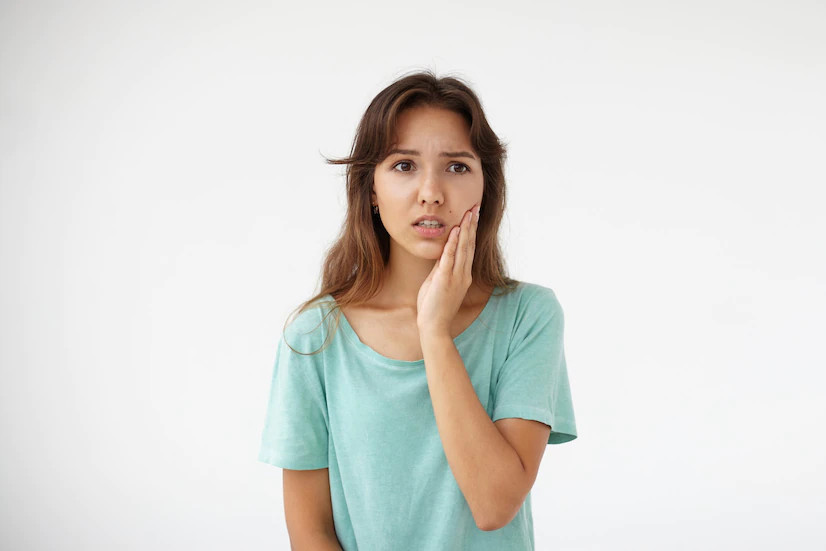
Canker sores are small, painful ulcers that form on the inside of the mouth and are usually yellowish-white in color. They’re extremely common, and most people experience them at some point. However, not all canker sores are the same.
For individuals living with HIV, mouth ulcers may indicate a more serious underlying condition. That’s why it’s essential to understand how ordinary canker sores differ from those associated with HIV, so you can recognize warning signs early and seek proper care.
Common Canker Sores
Generally canker sores are harmless and mild in nature. They usually:
-
Appear only occasionally, once or twice a year.
-
The size of lesion is small.
-
Heal on their own within 7-10 days, leaving no scars.
-
Cause temporary pain when eating spicy, acidic, or hot foods, but the discomfort is manageable.
-
The lesion will not be accompanied by systemic symptoms like fever, fatigue, or weight loss.
Canker sores are rarely linked to any serious health issues. Common triggers include emotional stress, inadequate rest, minor mouth injuries, nutritional deficiencies (such as iron or vitamin B12), food sensitivities, or hormonal fluctuations.
Since they are not serious, canker sores usually improve with simple remedies such as antiseptic mouth rinses, topical gels for pain relief, getting enough rest, and maintaining good oral hygiene.
HIV-Related Canker Sores
In HIV patients, they have compromised immune system due to ongoing viral activities. As a result, canker sores in these individuals tend to be more severe, more frequent, and slower to heal than those seen in healthy individuals.
Canker sores in HIV patients should be monitored carefully, as they often reflect the body’s weakened ability to fight infection and inflammation.
Common features of HIV-related canker sores include:
-
Frequent recurrence, sometimes the symptoms can occur several times per month.
-
Larger lesions that may merge together into a single, extensive sore.
-
Slow healing process, often taking 2-4 weeks or longer, sometimes they will leave scars.
-
Intense pain that makes eating, drinking, or speaking difficult.
-
Accompanying symptoms include low-grade fever, extreme fatigue, weight loss, or other oral infections.
Why Are Canker Sores Worse in People with HIV?
The main difference between common canker sores and HIV-related canker sores lies in the strength of people's immune systems. HIV specifically targets CD4 cells, the cells derived from white blood cell for coordinating immune defenses against infection.
When HIV remains uncontrolled and CD4 counts drop, the body’s ability to heal even minor wounds, like canker sores, diminishes. Consequently, what would normally be a mild sore can become more painful, extensive, and prolonged.
When Should You Be Concerned?
You don’t need to worry about every canker sore, but certain signs warrant medical attention. You should see a doctor or dentist if:
-
The sore doesn’t heal within 2 weeks.
-
You experience more than 3-4 episodes within 6 months.
-
The sore is unusually large.
-
It makes eating or drinking difficult.
-
It’s accompanied by fever, persistent fatigue, or weight loss.
-
You have a history of HIV risk factors such as unprotected sex or multiple sexual partners.
Recognizing the frequency, size, and associated symptoms of your canker sores can help you determine whether they’re harmless or need further medical evaluation, particularly if you have compromised immune system or possible HIV exposure.
For further advice, consult a healthcare provider or use the health consultation feature in the Ai Care app, available on both the App Store and Google Play.
Looking for more information about other diseases? Click here!
- dr Hanifa Rahma
Hope Cristol (2024). HIV-Related Mouth Sores: Symptoms and Treatments. Available from: https://www.webmd.com/hiv-aids/hiv-mouth-sores
Cleveland Clinic (2025). Canker Sores. Available from: https://my.clevelandclinic.org/health/diseases/10945-canker-sores
Elizabeth Boskey, PhD (2025). Differences Among Cold Sores vs. Canker Sores vs. Chancres. Available from: https://www.verywellhealth.com/cold-or-canker-sore-chancre-3133227