
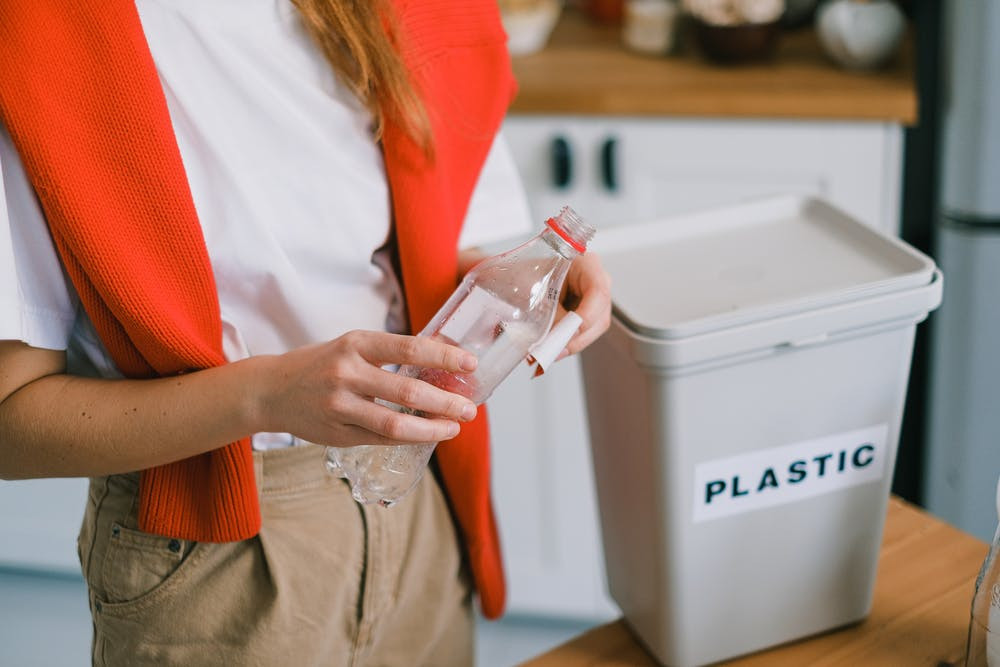
BPA (bisphenol A) is a chemical commonly added to food and beverage packaging to enhance the durability of plastics. Although first discovered in 1890, it wasn’t until the 1950s that it began being used as an additive to strengthen plastics.
Currently, BPA is found in a variety of products, including food packaging, baby bottles, beverage bottles, cans, CDs and DVDs, eyeglass lenses, and sports equipment. While small amounts of BPA are considered harmless by the Food and Drug Administration (FDA), large quantities of it have been identified as an endocrine disruptor, according to Medical News Today.
The Environmental Protection Agency (EPA) highlights that BPA can mimic the body’s natural hormones, interfering with hormone production and response.
The Health Risks of BPA in Packaging
Affects the Reproductive System
Research in 2013 revealed that BPA exposure can disrupt the reproductive system, including preventing egg maturation in humans. This discovery led to the conclusion that BPA can contribute to fertility issues in both men and women. Large amounts of BPA may also increase the risk of premature ejaculation and altered sexual desire.
Leads to Heart Disease
Additional studies have shown that BPA exposure can damage the heart and blood vessels, raising the risk of conditions such as heart disease, heart attacks, angina, hypertension, and blocked arteries.
Contributes to Type 2 Diabetes and Weight Gain
In human studies, BPA exposure has been linked to type 2 diabetes, weight gain, and metabolic syndrome, further adding to the health concerns.
Disrupts Brain Development
BPA may also interfere with brain development due to its effects on estrogen and its ability to alter DNA, potentially hindering normal cognitive functions.
Increases the Risk of Breast and Prostate Cancer
Research suggests that BPA’s impact on estrogen hormones could raise the likelihood of developing breast cancer, prostate cancer, and other types of cancer, especially if exposure occurs during fetal development.
Linked to Asthma
Further findings indicate a potential connection between BPA exposure and an increased risk of asthma.
BPA typically enters the body through food or beverages packaged in containers containing the chemical, particularly when food is heated or stored for long periods in such containers, like canned goods.
A study showed that people who ate canned food directly from the can had 1.221% higher BPA levels in their urine.
The ongoing use of BPA in packaging remains a controversial issue. However, as reported by the Mayo Clinic, the U.S. Food and Drug Administration (FDA) offers the following tips to minimize BPA exposure:
Opt for BPA-Free Products
Look for BPA-free labels on food packaging, as many manufacturers now offer BPA-free alternatives.
Certain plastic products may carry recycling codes 3 or 7. Be cautious with these, as these codes indicate that the plastic may contain BPA.
Avoid Heating Food in Plastic
Heating food in plastic containers can cause the chemicals, including BPA, to break down and leach into the food. It’s best to avoid using plastic containers for heating food.
Reduce Canned Food Consumption
Try to reduce your intake of canned foods and instead choose fresh food options.
Consider Safer Alternatives
Use containers made from glass, porcelain, or stainless steel, which are safer alternatives for storing hot food and drinks.
Looking for more information about health tips and tricks, first aid, and other home remedies? Click here!
- dr Hanifa Rahma
Brent A. Bauer, M.D. 2021. Nutrition and healthy eating. Available from : https://www.mayoclinic.org/healthy-lifestyle/nutrition-and-healthy-eating/expert-answers/bpa/faq-20058331
Alina Petre, MS, RD (NL). 2018. What Is BPA and Why Is It Bad for You?. Available from : https://www.healthline.com/nutrition/what-is-bpa
Yvette Brazier. 2021. How does bisphenol A affect health?. Available frpm : https://www.medicalnewstoday.com/articles/221205