Definition
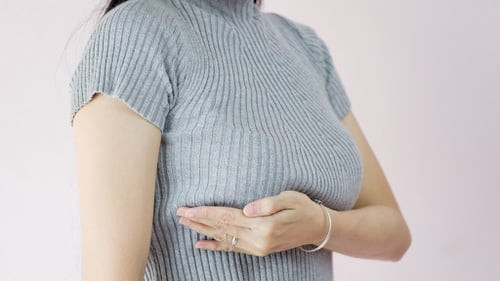
Fibroadenoma mammae (FAM), also commonly known as breast fibroadenoma, is a common benign breast tumor.
Causes
The cause of breast fibroadenoma is unknown. Breast fibroadenoma may occur due to increased sensitivity to the hormone estrogen.
The breast is made up of milk glands and ducts. These structures are surrounded by breast tissue that gives the breast its shape and size. Fibroadenomas develop from these glands.
Risk Factor
Breast fibroadenoma predominantly occurs between the ages of 15 and 35, although it can manifest at any age in menstruating women. Some experts have found that women who have a family history of breast cancer are at higher risk of developing breast fibroadenoma.
Symptoms
Breast fibroadenoma is often painless. When touched, the lump feels firm, smooth, and elastic. Round in shape with clear boundaries. The lump feels like a pea or a flat coin in the breast. When touched, the lump can move easily.
A breast fibroadenoma is on average 2.5 centimeters in size, has more than one lump, grows slowly and can appear in one or both breasts. Breast fibroadenomas can increase in size or shape over time, but breast fibroadenomas can also shrink. Breast fibroadenoma can cause pain when pressed or a few days before menstruation. Most breast fibroadenomas that occur in adolescence will shrink in a few months to a few years and disappear. The breast fibroadenoma can increase in size during pregnancy and can shrink after menopause.
There are several types of breast fibroadenoma and breast lumps related to breast fibroadenoma that are less common. Lumps like this can have different characteristics from breast fibroadenoma. These types of lumps consist of:
- Complex fibroadenomas, which are breast fibroadenoma that enlarge over time and press on the surrounding breast tissue
- Giant fibroadenomas. These lumps grow rapidly and can reach more than 5 centimeters in size. They can also press on the surrounding breast tissue
- Phyllodes tumors. Phyllodes tumors and breast fibroadenomas originate from similar tissues. Phyllodes tumors generally grow rapidly and are not painful. Most of these tumors are benign, meaning they are not cancerous. However, some phyllodes tumors can become cancerous.
Diagnosis
A person usually first becomes aware of breast fibroadenoma while taking a shower, bath, or during a breast self-examination. Breast fibroadenoma can also be detected during a routine health check, screening mammogram, or breast ultrasound.
A particular test or procedure is necessary if a breast lump is palpable. The tests that will be chosen depend on the age and characteristics of the breast lump. Radiology tests will provide details about the size, shape, and other characteristics of the breast lump. These tests include:
- Breast ultrasound. Ultrasound uses sound waves to form an image of the inside of the breast. Patients under the age of 30 years usually use breast ultrasound to examine the lump. This test can also show the difference between solid breast tumors and cysts that contain fluid.
- Mammography. This test uses X-rays to form an image of breast tissue, the results of which are called mammograms. This test works by detecting the boundaries of breast fibroadenoma and distinguishing it from other tissues. In women under the age of 30 years, mammography is not recommended because the breast tissue is still denser and there is a risk of radiation.
If there is any doubt about the type or origin of the breast lump, a biopsy should be performed to examine a tissue sample. The most common biopsy method for breast fibroadenoma is core needle biopsy. This biopsy technique is performed by a radiologist.
Management
Breast fibroadenoma usually does not require therapy. However, in some cases, surgery may be needed to remove rapidly growing breast fibroadenomas.
When deciding to have surgery, things to consider are:
- Surgery can change the shape of the breast
- breast fibroadenoma can sometimes shrink and disappear on its own
- breast fibroadenoma can stay the same size and not change
If you decide not to have surgery, your doctor will recommend that you have regular checkups. During these checkups, you may have regular ultrasounds to check for changes in the size or shape of your breast lump. However, if the results of the radiology or biopsy are concerning, the patient may need surgery. Surgery is also performed if the breast fibroadenoma is large, grows rapidly, or causes symptoms. Surgery is the standard therapy for giant fibroadenomas and phyllodes tumors.
Procedures to remove breast fibroadenoma include:
- Surgery. The doctor uses a scalpel to remove the entire breast fibroadenoma in this procedure. This procedure is called surgical excision
- Cryotherapy. In this procedure, a tool is inserted into the breast to the location of the breast fibroadenoma. This tool will then become very cold and freeze the tissue. This will destroy the breast fibroadenoma. However, this technique is not always available in all health facilities
After therapy, other breast fibroadenomas may appear. If you find a new breast lump, tell your doctor.
Complications
Breast fibroadenoma does not increase the risk of developing breast cancer. However, the risk increases if the patient has a complex fibroadenoma or phyllodes tumor.
Prevention
You can't lower your risk of getting breast fibroadenoma. However, you can do several things to lower your risk of breast cancer and detect it early by:
- Avoiding alcohol or drinking in moderation
- Performing regular breast self-exams
- Having regular mammogram screenings
- Eating a healthy diet, exercising regularly, and maintaining a healthy weight
When to See a Doctor?
Healthy breast tissue often feels lumpy. You should consult a doctor if you:
- Identify a new breast lump
- Identify a change in your breast
- Recognize if a pre-existing breast lump has changed or developed larger
Looking for more information about other diseases? Click here!
- dr. Alvidiani Agustina Damanik
Fibroadenoma - Symptoms and causes. (2022). Retrieved 28 September 2022, from https://www.mayoclinic.org/diseases-conditions/fibroadenoma/symptoms-causes/syc-20352752
Find out about fibroadenoma. (2022). Retrieved 28 September 2022, from https://breastcancernow.org/information-support/have-i-got-breast-cancer/benign-breast-conditions/fibroadenoma
Fibroadenoma. (2022). Retrieved 28 September 2022, from https://www.webmd.com/breast-cancer/what-are-fibroadenomas#091e9c5e81398344-2-6
Fibroadenomas of the Breast: Types, Treatment. (2022). Retrieved 28 September 2022, from https://my.clevelandclinic.org/health/diseases/15690-fibroadenomas-of-the-breast#prevention