
Definition
Periodontitis is inflammation of the periodontal tissues, which are the structures around and supporting the teeth. This condition damages the teeth, surrounding soft tissues, and supporting bones. Periodontitis requires prompt treatment, as it can lead to serious complications if untreated.
Periodontitis often develops as a complication of gingivitis, or gum inflammation. If untreated and prolonged, periodontitis damages the tissue around the teeth and gums. This destruction can lead to tooth loss and, in severe cases, abscesses or pus accumulation from infection.
Causes
One of the primary causes of periodontitis is dental plaque. Untreated plaque can develop into periodontitis. Plaque forms when bacteria in the mouth interact with sugars and starches from food. Regular brushing and flossing can help remove plaque, but it can quickly accumulate without proper care.
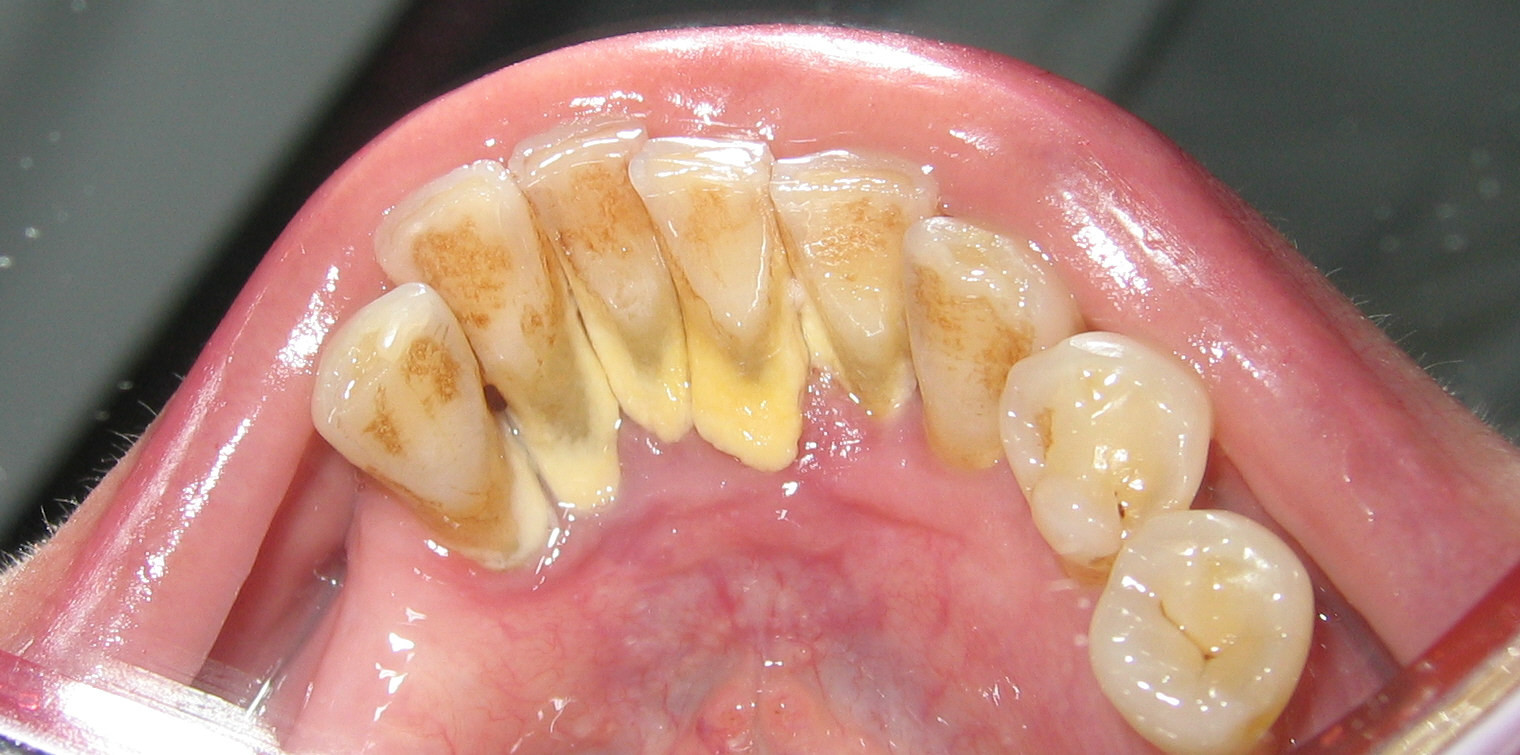
When plaque hardens under the gumline, it becomes tartar, which is more challenging to remove and can harbor bacteria. Over time, untreated plaque and tartar buildup leads to gingivitis. Gingivitis, an early stage of gum disease, can be managed with good oral hygiene and professional care.
If gingivitis is not addressed properly, it progresses to periodontitis, forming pockets between the teeth and gums that fill with tartar, plaque, and bacteria. Over time, these pockets deepen as bacteria accumulate. If untreated, this infection leads to tissue and bone loss, resulting in tooth loss. Chronic inflammation and infection can also weaken the immune system.
Risk Factor
Risk factors for periodontitis include:
- Gum inflammation (gingivitis)
A history of untreated gum inflammation (gingivitis) increases the risk of periodontitis. This risk will increase if the inflammation is not treated and dental hygiene is not maintained.
- Poor dental care or oral health
An increased risk of periodontitis is associated with poorly maintained teeth. Remaining food residue on the teeth will result in plaque, one of the causes of periodontitis. Inappropriate cleaning and maintenance can lead to the accumulation and worsening of dental plaque.
- Genetics
Family history can increase susceptibility to periodontitis.
- Smoking
Smoking doubles the risk of developing gum disease or inflammation. The risk increases with the length of smoking and the number of cigarettes consumed.
- Hormonal changes
Pregnancy, menstruation, adolescence, and menopause all cause hormonal changes that may impact the body's ability to combat toxins or substances generated by plaque. The gums become more sensitive as a result of hormonal changes that also impact blood circulation in the surrounding tissue.
- Medications
Certain medications have adverse effects that can impact dental and oral health. Drugs used to treat pain, depression, high blood pressure, cancer, and allergies are known to have negative effects on oral health. These drugs have the potential to alter gum health and cause dry mouth.
- Nutritional deficiencies
Several nutrients have an effect on dental and oral health. One of these nutrients is vitamin A. Vitamin A plays a role in the integrity of gum tissue epithelial cells and can act as an antioxidant that overcomes gum infections.
Vitamin B complex is also important for maintaining dental and oral health by helping in blood circulation and cell growth to all parts of the body, including the gums.
In addition to these two vitamins, vitamin C plays a role in improving the body's immune system in dealing with infections that can cause disease, and people with low vitamin C intake have a higher risk of experiencing periodontitis.
- Other health conditions
Other conditions and diseases can increase the risk of developing periodontitis. Some of these diseases include rheumatism, diabetes mellitus, Crohn's disease, leukemia, HIV/AIDS, and other diseases that can reduce the body's immune system.
Symptoms
Symptoms and signs of periodontitis may include:
- Swollen gums
- Dark red, purple, or bluish gum coloration
- Tender gums when touched
- Frequent gum bleeding
- Receding gums, making teeth appear longer
- Gaps between teeth
- Pus between gums and teeth
- Bad breath
- Loose teeth
- Pain when chewing
Diagnosis
The doctor determines the diagnosis of periodontitis by listening to the patient's complaints and symptoms as well as their medical history. After that, the doctor will measure the gap between the gums and teeth to check for bleeding from plaque around the teeth. A healthy mouth gap should be between one and three millimeters deep, but in patients with periodontitis, the gap may be as deep as four millimeters or more. The physician can also conduct supplementary tests, like panoramic x-rays, to assess bone loss and damage brought on by periodontitis.
Additional tests such as panoramic X-rays can help identify bone erosion and other damage caused by periodontitis.
Management
Periodontitis treatment aims to eliminate gum pockets, reduce inflammation, and address the underlying causes of infection. Treatment selection depends on disease severity.
For mild periodontitis, treatments include:
- Scaling: Removes plaque, bacteria, and tartar from teeth surfaces and gums
- Root planing: Cleans tartar from root surfaces to prevent bacterial buildup
- Antibiotics target the bacteria causing infection
- Tooth extraction: Severely infected teeth may need removal to prevent further damage
For severe periodontitis, surgical options include:
- Flap surgery: Removes tartar from deep gum pockets
- Soft tissue grafts: Replaces damaged tissue with soft tissue grafts
- Bone grafting: Repairs bone around tooth roots damaged by periodontitis
- Guided tissue regeneration: Stimulates new bone growth to replace damaged bone
- Tissue-stimulating Proteins: Encourages new tissue and bone growth
Complications
Untreated periodontitis can lead to:
- Tooth misalignment
- Tooth loss or looseness
- Jawbone infection
- Pus accumulation and tooth pain
- Abscesses in soft mouth tissues
- Increased risk of respiratory, heart, and diabetic complications
- Increased risk of pregnancy complications, such as low birth weight in newborns
Prevention
Several steps can prevent or reduce the risk of periodontitis:
- Brush and clean teeth at least twice daily, in the morning and before bed
- Floss regularly to clean between teeth
- Avoid smoking or vaping
- Manage stress levels
- Maintain a healthy, balanced diet
- Regularly visit a healthcare provider if you have chronic conditions
- Maintain an ideal weight or work towards a healthy weight if overweight
Routine dental checkups every 6–12 months help prevent plaque and tartar buildup. For individuals at higher risk, more frequent dental checkups are advisable.
When to See a Doctor?
Dental consultations should occur if any periodontitis symptoms are experienced. For individuals with risk factors, more frequent checkups are crucial to early detection and prevention of disease progression. If tartar is noticed, prompt dental cleaning is essential to prevent periodontitis.
Looking for more information about other diseases? Click here!
- dr. Alvidiani Agustina Damanik
Kwon, T., Lamster, I., & Levin, L. (2020). Current Concepts in the Management of Periodontitis. International Dental Journal, Retrieved 24 Januari 2023, from https://pubmed.ncbi.nlm.nih.gov/33277943/
Cleveland Clinic (2020). Disease & Conditions. Periodontitis. Retrieved 24 Januari 2023, from https://my.clevelandclinic.org/health/diseases/16620-periodontitis
Mayo Clinic (2020). Diseases & Conditions. Periodontitis. Retrieved 24 Januari 2023, from https://www.mayoclinic.org/diseases-conditions/periodontitis/symptoms-causes/syc-20354473
Mouth Healthy (2020). Gum Disease – Periodontal Disease. Retrieved Januari 2023, from https://www.mouthhealthy.org/en/az-topics/g/gum-disease