Pitted keratolysis is a bacterial infection that causes holes to form in the soles of the feet, accompanied by a foul odor and itching. This condition is commonly experienced by athletes, industrial workers, miners, sailors, and anyone who regularly works in moist and damp environments.
What is Pitted Keratolysis?
Pitted keratolysis is a bacterial infection that results in small holes forming in the top layer of the skin. These bacteria break down the skin's surface, leading to the appearance of tiny holes. This condition can also lead to secondary infections, such as fungal infections. While it typically affects the soles of the feet, it can also appear on the palms of the hands.
Pitted keratolysis is most common in individuals who frequently go barefoot, have damp feet, or wear tight-fitting socks. People with diabetes, those who are overweight, and individuals with immune system disorders are also at an increased risk of developing this condition.
Symptoms of Pitted Keratolysis
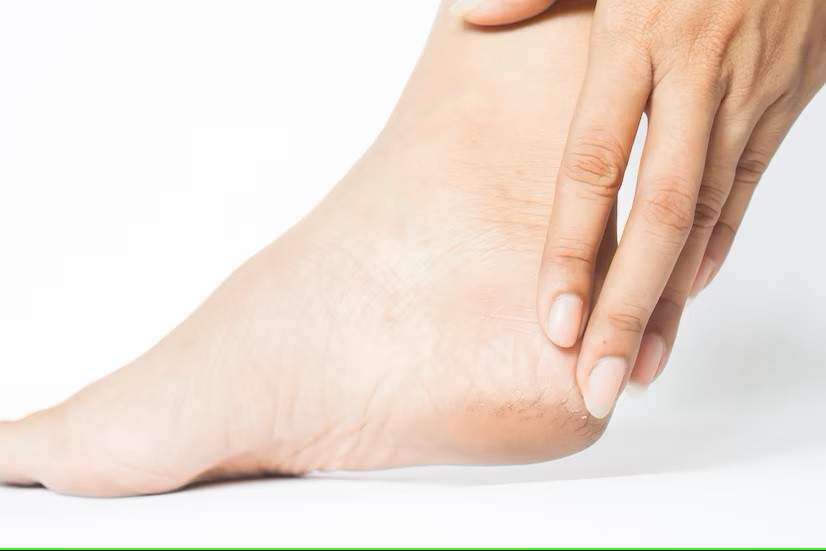
Pitted keratolysis symptoms are most commonly found on the feet, particularly between the toes, on the soles, and on the heels. Although rare, it can also appear on the palms of the hands.
Symptoms generally include:
-
Foul-smelling feet (bromhidrosis)
-
White patches or areas lighter than the surrounding skin
-
Small holes or depressions in the skin’s surface
-
Holes that may merge to form crater-like wounds
-
Itching in the infected areas
The symptoms become more pronounced when the feet are damp. While the holes or depressions themselves are typically not painful, they may become itchy, painful, or cause a burning sensation.

Treatment for Pitted Keratolysis
Treatment for pitted keratolysis primarily focuses on stopping the bacterial infection. Your doctor may recommend topical antibiotics, such as clindamycin, erythromycin, fusidic acid, or mupirocin, to eliminate the bacteria. Additionally, antiseptic treatments may be prescribed to assist in managing the infection.
If pitted keratolysis is linked to hyperhidrosis (excessive sweating), the doctor may recommend treatments to reduce sweating, including Botox injections.
It is advised not to use herbal remedies or home treatments without first consulting a healthcare professional. Herbal solutions, such as essential oils or tea tree oil, should be avoided unless approved by a doctor.
As an alternative to managing foot odor and bacteria, you can soak your feet in a diluted mixture of hydrogen peroxide and water. Soak for a few minutes, then gently scrub the rough areas with a pumice stone to remove dead skin cells.
Can Pitted Keratolysis Be Prevented?
Although pitted keratolysis is bothersome, it can be prevented. Reducing the risk of developing the bacteria that cause pitted keratolysis involves:
-
Wearing shoes with proper air circulation, and avoiding rubber boots
-
Keeping shoes dry and free from dampness
-
Choosing socks and shoes that fit well
-
Washing your feet and hands with soap and water after removing shoes and socks
-
Changing socks and shoes promptly when they become wet
Pitted keratolysis can disrupt your daily routine. If you experience symptoms of this infection, seek medical advice from a doctor or use the consultation feature available on the Ai Care application, downloadable from the App Store or Play Store.
Looking for more information about other diseases? Click here!
- dr Hanifa Rahma
Adcox, M. (2023). What to Know about Pitted Keratolysis. Available from: https://www.healthline.com/health/pitted-keratolysis#
Lam, C. (2022). Pitted Keratolysis. Available from: https://dermnetnz.org/topics/pitted-keratolysis
Cleveland Clinic. Pitted Keratolysis. Available from: https://my.clevelandclinic.org/health/diseases/23285-pitted-keratolysis
WebMD Editorial Contributors. (2023). What Is Pitted Keratolysis?. Available from: https://www.webmd.com/skin-problems-and-treatments/what-is-pitted-keratolysis