
Definisi
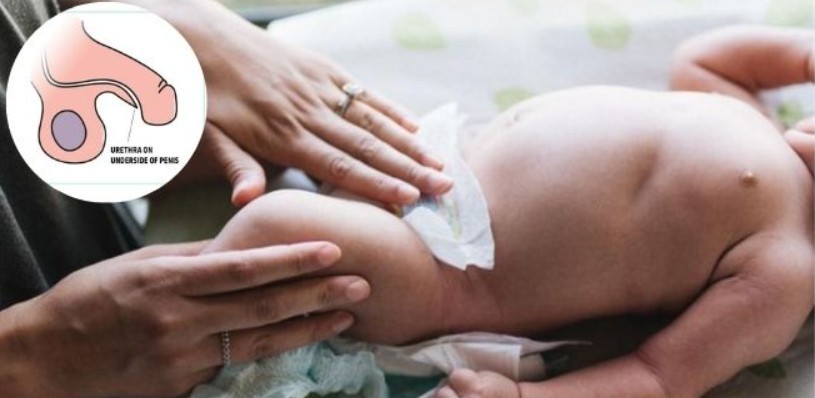
Fimosis adalah suatu kelainan yang terjadi pada penis yang belum disirkumsisi atau disunat. Normalnya, kulit kulup bersifat elastis sehingga dapat ditarik ke pangkal dan sebagian penis bisa terlihat. Pada fimosis, kulit luar penis atau kulit kulupnya tidak dapat ditarik ke arah tubuh atau ke pangkal penis. Kulit kulup adalah kulit yang berada di bagian ujung penis dan menutupi penis dari luar.
Fimosis umumnya terjadi pada anak-anak, walaupun juga bisa ditemukan pada laki-laki dewasa yang belum disunat. Pada seluruh anak laki-laki, secara perlahan kulit kulup ini akan berubah sehingga kulitnya bisa ditarik ke pangkal. Diperkirakan hanya sekitar 1% orang-orang yang memiliki fimosis saat mereka berusia 16 tahun.
Fimosis biasanya tidak dianggap sebagai suatu masalah bila tidak menimbulkan keluhan. Namun, bila fimosis menimbulkan gejala atau tergolong berat, dimana bukaan di ujung penis menjadi sangat kecil, bisa timbul peradangan serta meningkatkan risiko terjadinya infeksi.
Penyebab
Fimosis terjadi karena kulit kulup atau preputium menjadi terlalu ketat, sehingga tidak dapat ditarik ke arah pangkal penis. Terdapat dua tipe fimosis, yaitu:
- Fimosis fisiologis
- Fimosis patologis
Fimosis fisiologis umumnya berhubungan dengan usia anak. Normalnya, kulit kulup penis memang ketat saat bayi lahir, dan akan melonggar ketika anak berusia 2 - 6 tahun. Kulit kulup yang melonggar akan mulai terpisah dari kepala penis, walaupun fimosis masih umum ditemukan pada anak yang berusia 10 tahun. Fimosis fisiologis akan membaik seiring peningkatan usia anak.
Sementara itu, fimosis patologis adalah kondisi yang disebabkan oleh jaringan kulit yang memang tidak elastis atau karena kelainan medis lainnya, seperti:
- Kebersihan yang kurang baik
Kondisi ini dapat menjadi penyebab atau meningkatkan risiko terjadinya fimosis. Kulit kulup yang tidak dapat dibuka akan membuat penis tidak dibersihkan secara menyeluruh. Sisa-sisa urine yang tertinggal dapat menyebabkan infeksi.
- Kelainan kulit tertentu dapat menyebabkan fimosis, karena terjadi perubahan pada kulit di sekitar penis menjadi gatal, kering, pecah-pecah. Contoh dari kelainan kulit tersebut adalah:
- Psoriasis, peradangan kulit jangka panjang yang menimbulkan sisik tebal berwarna putih kemerahan.
- Liken planus, peradangan pada kulit dan/atau membran mukosa (lapisan dalam hidung, mulut, paru, saluran cerna, kelamin).
- Liken sklerosis, kelainan kulit pada area kelamin yang bisa dipicu oleh ketidakseimbangan hormon atau respon kekebalan tubuh.
- Dermatitis atopi, peradangan kulit yang berhubungan dengan reaksi alergi dari tubuh.
- Kondisi medis lain, seperti:
- Kulit kulup penis menempel pada ujung kepala penis, atau adanya jaringan ikat yang membuat kulit kulup menempel dan tidak bisa ditarik dari ujung penis.
- Cedera berulang pada penis, khususnya di bagian ujungnya.
- Infeksi, seperti infeksi menular seksual dan infeksi saluran kemih.
Faktor Risiko
Faktor yang bisa meningkatkan risiko pria mengalami fimosis patologis di antaranya:
- Penis belum disunat atau disirkumsisi.
- Memiliki riwayat penyakit kulit terutama di bagian genital.
- Gaya hidup yang tidak bersih.
- Terlibat dalam aktivitas seksual yang tidak aman.
- Mengalami infeksi saluran kemih berulang.
Gejala
Gejala fimosis biasanya baru dirasakan ketika kulit kulup dirasa terlalu ketat dalam waktu lama, atau ketika terjadi infeksi maupun peradangan pada penis. Gejala yang pasti dialami penderita fimosis adalah tidak bisa sepenuhnya menarik kulit kulup penis ke pangkal penis. Pada saat buang air kecil, kulit kulup yang ketat dapat memperkecil bukaan penis, membuat urine menumpuk di ujung penis. Penumpukan urine membuat ujung penis membesar saat buang air kecil.
Beberapa gejala lain yang dapat terjadi ketika kondisi fimosis semakin memburuk adalah:
- Perubahan warna kulit menjadi kemerahan pada penis.
- Pembengkakan akibat infeksi atau peradangan.
- Rasa nyeri atau tidak nyaman.
- Nyeri saat berkemih atau buang air kecil.
- Nyeri saat ereksi atau berhubungan seksual.
- Infeksi saluran kemih berulang.
- Darah pada urin atau di sekitar kulit kulup penis.
Diagnosis
Fimosis dapat didiagnosis dengan wawancara gejala dan pemeriksaan fisik untuk memastikan kondisi penis. Kadang tidak diperlukan pemeriksaan penunjang karena dokter hanya perlu memastikan kulit tidak dapat ditarik sempurna. Meski begitu, pemeriksaan lain dapat dilakukan untuk mencari penyebab atau bila fimosis sudah disertai infeksi, antara lain:
- Pemeriksaan laboratorium darah
- Pemeriksaan urine
- Pemeriksaan swab ujung penis untuk mendiagnosis infeksi ujung penis atau balanitis
Tata Laksana
Tata laksana fimosis disesuaikan dengan kondisi fimosis yang dialami. Pada fimosis fisiologis biasanya tidak memerlukan penanganan khusus, karena kondisi akan membaik seiring berjalannya usia dan umumnya tidak menimbulkan permasalahan yang berarti. Sementara pada fimosis patologis, dokter perlu melakukan penanganan khusus. Beberapa terapi pengobatan yang dapat diberikan adalah:
- Penggunaan krim steroid yang dioleskan ke sekitar kulit kulup penis.
- Edukasi agar pasien melakukan peregangan kulit kulup setelah 2 minggu menggunakan krim steroid. Peregangan kulit dilakukan secara perlahan, pasien diminta untuk mencoba menarik kulit ke arah pangkal penis tanpa menimbulkan rasa nyeri.
- Antibiotik bisa diberikan bila terjadi infeksi bakteri di kulit kulup atau ujung penis.
- Operasi sirkumsisi atau sunat dapat dilakukan sejak anak-anak hingga untuk orang dewasa. Prosedur ini dilakukan dengan membuang kelebihan kulit kulup agar ujung penis dapat bebas dan tidak tertutupi lagi.
- Edukasi untuk menjaga kebersihan penis dengan membersihkan penis setiap hari menggunakan air hangat.
Komplikasi
Dapat terjadi komplikasi medis dari prosedur atau pengobatan yang sudah dilakukan, contohnya dari penggunaan krim steroid jangka panjang atau karena prosedur sunat. Komplikasi yang dapat terjadi setelah sirkumsisi adalah:
- Perdarahan
- Infeksi
- Kulit kulup menjadi terlalu panjang atau pendek
- Rasa nyeri
Setelah prosedur sirkumsisi atau sunat, penyembuhan dapat dicapai dalam waktu 7-10 hari.
Komplikasi medis lain yang juga dapat terjadi pada fimosis adalah parafimosis. Parafimosis terjadi ketika kulit kulup tidak dapat kembali ke ujung penis, menyebabkan penis bengkak dan nyeri hebat. Parafimosis termasuk dalam kondisi gawat darurat dan harus ditangani dengan cepat.
Pencegahan
Fimosis fisiologis tidak dapat dicegah, karena kondisi ini sudah ada sejak bayi lahir di dunia. Yang perlu diperhatikan adalah kebersihan dari penis terutama pada usia anak-anak. Orang tua atau pengasuh harus membersihkan penis anak secara rutin dan tidak perlu panik apabila kulit kulup bayi belum dapat ditarik sempurna. Anak yang sudah lebih tua harus diajarkan cara membersikan penisnya sendiri untuk menghindari risiko terjadinya infeksi.
Hindari juga penggunaan sabun berbau, bedak tabur, dan deodorant di penis karena dapat menimbulkan iritasi. Gunakan kondom atau kontrasepsi saat akan berhubungan seksual.
Kapan Harus ke Dokter?
Segeralah berobat ke dokter bila kondisi fimosis yang Anda alami mulai mengganggu atau ketika Anda merasakan gejala di atas. Anda juga dapat berkonsultasi ke dokter bila khawatir mengenai kondisi penis anak Anda, atau anak mengeluhkan nyeri dan bengkak pada penisnya.
Mau tahu informasi seputar penyakit lainnya? Cek di sini, ya!
- dr Hanifa Rahma

Phimosis: What Is It, Causes, Symptoms & Treatment. Cleveland Clinic. (2022). Retrieved 24 July 2022, from https://my.clevelandclinic.org/health/diseases/22065-phimosis.
Tight foreskin (phimosis). nhs.uk. (2022). Retrieved 24 July 2022, from https://www.nhs.uk/conditions/phimosis/.
Roland, J. (2018). Phimosis: Treatment, Causes, Outlook, and More. Healthline. Retrieved 24 July 2022, from https://www.healthline.com/health/mens-health/phimosis.
Barrell, A. (2017). Phimosis: Treatment, causes, and symptoms. Medicalnewstoday.com. Retrieved 24 July 2022, from https://www.medicalnewstoday.com/articles/319993.