Definisi
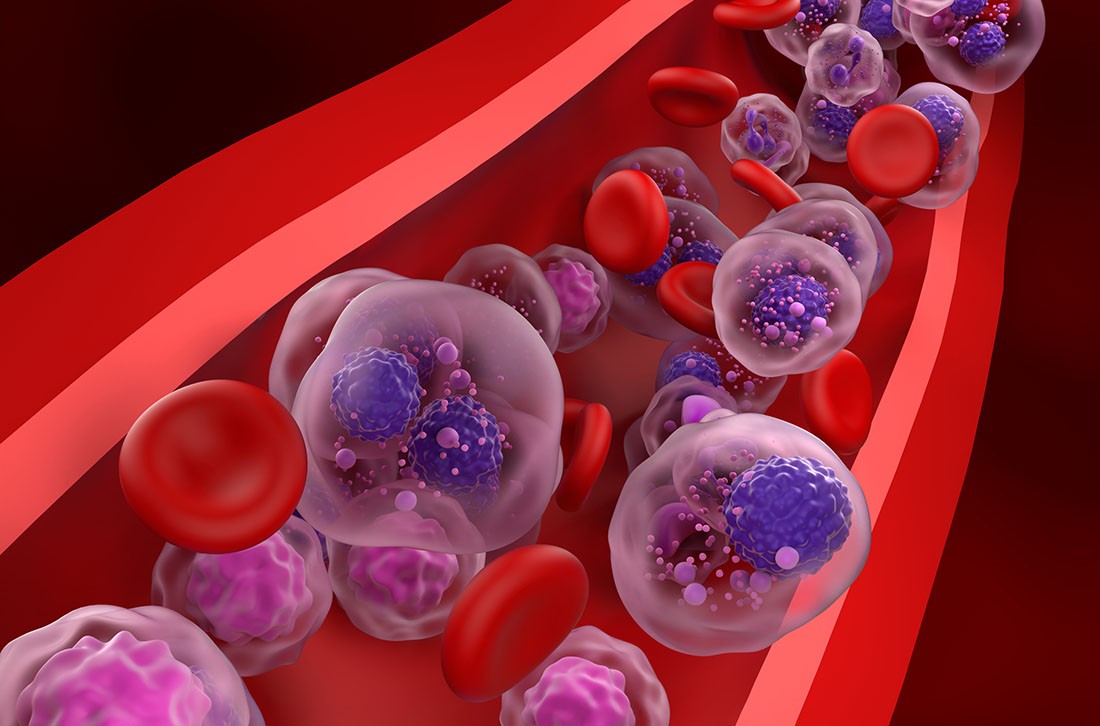
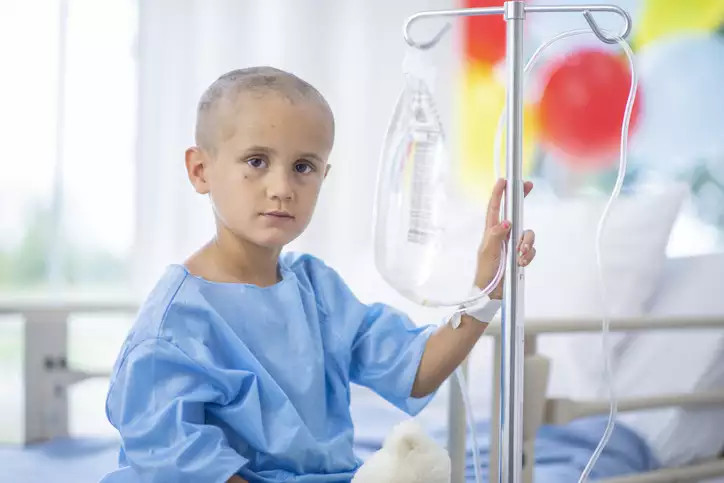
Sarcoma Ewing adalah tumor ganas (kanker) yang dapat berasal dari tulang atau jaringan lunak di sekitar tulang. Kanker ini pertama kali ditemukan oleh James Ewing pada tahun 1921. Sarcoma Ewing merupakan kanker tulang kedua terbanyak yang terjadi pada anak-anak hingga dewasa muda, dan paling sering muncul ketika penderitanya berusia remaja.
Kanker ini paling sering menyerang tulang panggul, tulang paha, dan kerangka aksial tubuh seperti tengkorak kepala, tulang belakang, dan tulang-tulang rusuk. Namun sarcoma Ewing juga dapat terjadi di hampir semua tulang atau jaringan lunak. Karena kanker ini bersifat ganas, sarcoma Ewing bisa menyebar ke organ-organ lain di tubuh.
Penyebab
Penyebab sarcoma Ewing belum sepenuhnya dapat dijelaskan. Masih belum diketahui sel mana yang menjadi awal mula tumbuhnya kanker. Yang baru diketahui adalah fragmen materi genetik dari kromosom 11 dan 12 tertukar dan terpasang pada kromosom yang berbeda. Kelainan genetik ini tidak diwariskan dari orang tua anak, namun baru terjadi setelah anak lahir.
Mutasi genetik ini menyebabkan gangguan pada siklus hidup sel. Sel yang normalnya akan mati pada waktunya menjadi terus tumbuh dan menyerang jaringan tubuh yang sehat. Sel-sel abnormal ini juga bisa menyebar ke organ lain di seluruh tubuh.
Faktor Risiko
Tidak ada hubungan yang dapat menjelaskan secara ilmiah dan terperinci antara sarcoma Ewing dan faktor risiko:
- Lingkungan
- Paparan obat
- Riwayat radiasi
- Riwayat kanker dalam keluarga.
Faktor-faktor yang dapat membuat seseorang lebih rawan mengalami sarcoma Ewing masih belum diketahui secara pasti. Namun dari rentang usia penderita, walaupun penyakit ini bisa terjadi pada siapa saja, kanker lebih sering ditemukan pada remaja dan dewasa muda dengan median usia 15 tahun. Kasus baru paling banyak ditemukan pada pasien yang berusia 10-15 tahun. Jenis kelamin laki-laki lebih banyak dari perempuan dengan rasio 3:1.
Gejala
Tumor bisa sudah ada selama beberapa bulan sebelum menjadi cukup besar dan menyebabkan keluhan. Sarcoma Ewing dapat mengenai tulang manapun, namun kanker paling umum terjadi pada tulang paha, panggul, dan tulang dada. Pada beberapa kasus, gejala pertama yang dialami pasien adalah adanya massa atau benjolan besar di tubuh.
Pasien dengan sarcoma Ewing sering datang dengan gejala seperti nyeri, kaku, atau bengkak pada tulang yang terkena. Keluhan bisa dirasakan selama beberapa minggu hingga beberapa bulan. Sekitar 50% lebih pasien sarcoma Ewing mengalami nyeri hilang-timbul yang semakin berat di malam hari.
Selain keluhan yang dirasakan pada tulang, bisa timbul gejala lain seperti:
- Demam.
- Penurunan berat badan signifikan tanpa diet atau olahraga rutin.
- Kelelahan yang tidak bisa dijelaskan sebabnya.
- Keluhan pernapasan terkait paru atau selaput paru bila tumor sudah menyebar luas.
Diagnosis
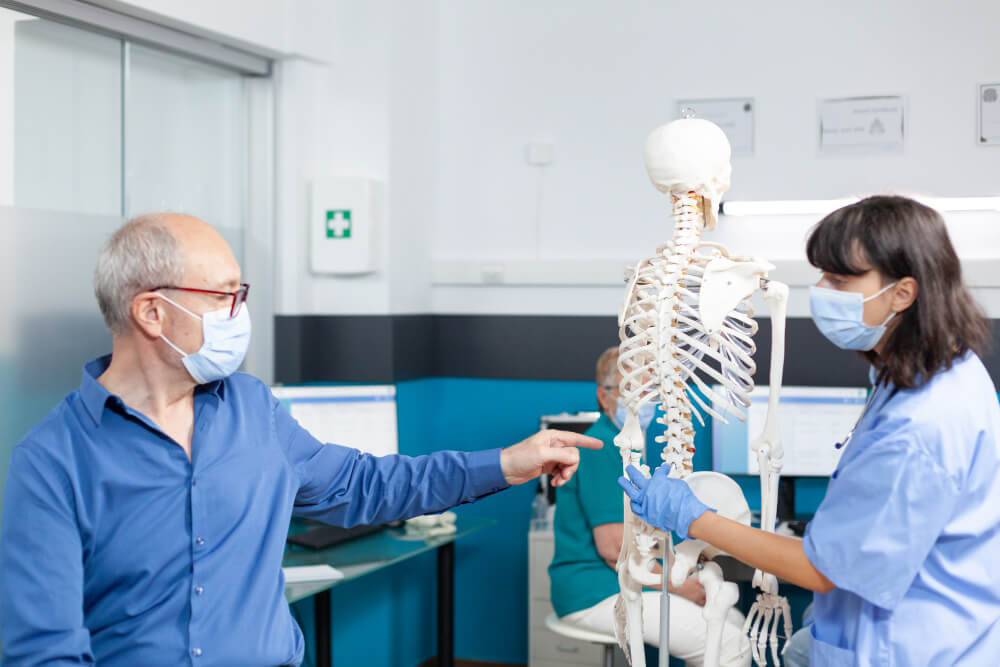
Mengetahui perjalanan klinis penyakit penderita sarcoma ewing serta pemeriksaan fisik yang komprehensif sangat penting dilakukan untuk mendiagnosis penyakit ini. Dokter akan bertanya pada pasien atau keluarganya mengenai keluhan yang dirasakan, riwayat penyakit pasien dan keluarganya, serta pengobatan yang sudah dilakukan.
Dokter lalu akan melakukan pemeriksaan fisik tubuh secara menyeluruh dan memeriksa area tubuh yang dikeluhkan, bila ada benjolan atau massa, perubahan bentuk tubuh, dan derajat nyeri yang dirasakan pasien. Jika ditemukan abnormalitas pada organ seperti paru karena sel kanker sudah menyebar, bisa ditemukan suara napas paru yang abnormal.
Kanker umumnya akan memerlukan pemeriksaan penunjang agar diagnosis penyakit bisa ditegakkan. Berikut adalah pemeriksaan penunjang yang bisa dilakukan:
- Pemeriksaan pencitraan untuk melihat tampilan area tubuh yang dikeluhkan dengan jelas, bisa dengan:
- Rontgen
- CT scan
- MRI
- Bone scan
- Pemeriksaan lain untuk menentukan stadium kanker dan mencari tahu bila sel kanker sudah menyebar ke organ lain, seperti:
- Pemeriksaan darah
- Biopsi sumsum tulang belakang
- CT scan dada
- MRI tulang belakang atau panggul
- Biopsi jaringan, dokter akan mengambil sampel jaringan yang diduga sebagai kanker dan diperiksa di bawah mikroskop.
Tata Laksana
Sebelum memulai pengobatan, pasien bisa ditawarkan konseling terkait kesuburannya. Dokter akan merencanakan strategi pengobatan melalui hasil pemeriksaan, stadium kanker, dan kondisi pasien. Pengobatan kanker umumnya melibatkan tim dokter spesialis secara holistik. Terapi utama sarcoma Ewing adalah kemoterapi, prosedur bedah, dan radioterapi yang bisa dikombinasikan.
Kemoterapi
Kemoterapi adalah terapi obat yang dimanfaatkan untuk membunuh sel tumor. Umumnya pengobatan ini dipakai untuk mengecilkan ukuran tumor agar bisa diangkat dengan mudah melalui prosedur bedah. Pasien akan mendapat obat melalui selang khusus (kateter) kecil yang dipasang ke dalam pembuluh vena di area dada.
Prosedur Bedah
Sementara itu, dilakukan untuk mengangkat tumor utama dan tumor lain yang ukurannya kecil bila sudah menyebar ke organ lain. Tumor akan diangkat bersama jaringan tubuh sekitar yang sehat untuk mencegah agar tumor tidak kambuh di kemudian hari. Dokter spesialis bedah juga bisa merekonstruksi sendi, tulang, atau jaringan lunak. Fungsi tubuh yang bisa dikembalikan setelah opereasi ini tergantung dengan seberapa banyak jaringan sendi dan otot yang bisa dijaga saat mengangkat seluruh tumor. Namun, ada beberapa kasus di mana tumor pada anggota gerak perlu diamputasi untuk memastikan bahwa tumor dan jaringan di sekitarnya sudah diangkat sepenuhnya.
Radioterapi
Terapi radiasi juga efektif untuk menghancurkan dan mengecilkan sel tumor. Radioterapi umumnya dipilih bila prosedur operasi tidak bisa mengangkat jaringan tumor seluruhnya atau pasien bisa kehilangan fungsi tubuh pada area yang mengalami sarcoma Ewing.
Komplikasi
Bisa muncul komplikasi patah tulang yang terjadi tiba-tiba walaupun tidak ada cedera pada area tulang yang terkena kanker. Sarcoma Ewing jika terlambat didiagnosis dapat menyebar ke organ lain dan menyebabkan keganasan sekunder. Terapi kanker dan harapan kesembuhan pada stadium kanker ini akan menjadi sangat sulit. Sarcoma Ewing paling sering menyebar ke paru dan tulang-tulang lain. Kematian juga bisa menjadi komplikasi dari sarcoma Ewing.
Prosedur pengobatan juga bisa menimbulkan efek samping dan komplikasi, baik dalam jangka pendek dan jangka panjang. Penting untuk mengonsultasikan hal ini dengan dokter Anda. Tanyakan hal-hal yang perlu mendapat perhatian khusus terkait efek samping pengobatan, agar Anda bisa mendapat bantuan medis segera bila mengalaminya.
Pencegahan
Tidak ada tindakan pencegahan yang spesifik untuk sarkoma Ewing. Pasien dan keluarga harus diedukasi tentang pentingnya melakukan semua modalitas pengobatan untuk mencegah komplikasi.
Sama seperti penyakit kanker lainnya dengan penyebab idiopatik (belum diketahui secara pasti) dan multifaktorial maka pencegahan terbaik adalah dengan menjaga pola hidup sehat.
Kapan Harus ke Dokter?
Gejala sarcoma Ewing yang paling sering adalah adanya rasa nyeri, pembengkakan atau kekakuan pada tulang yang terkena selama beberapa minggu. Penyakit ini umumnya terjadi pada remaja dan dewasa muda. Walaupun kanker ini termasuk langka, ada baiknya untuk berkonsultasi ke dokter bila keluhan yang Anda alami sudah mengkhawatirkan Anda. Diagnosis yang lebih awal dapat meningkatkan usia harapan hidup bagi penderita.
Mau tahu informasi seputar penyakit lainnya? Cek di sini, ya!
- dr Hanifa Rahma

Durer, S., & Shaikh, H. (2022). Ewing Sarcoma. Retrieved 21 August 2022, from https://www.ncbi.nlm.nih.gov/books/NBK559183/
Bone Cancer. (2021). Retrieved 21 August 2022, from https://www.nccn.org/patients/guidelines/content/PDF/bone-patient.pdf
Ewing sarcoma - Symptoms and causes. (2022). Retrieved 21 August 2022, from https://www.mayoclinic.org/diseases-conditions/ewing-sarcoma/symptoms-causes/syc-20351071#
Ewing's Sarcoma - OrthoInfo - AAOS. (2022). Retrieved 21 August 2022, from https://orthoinfo.aaos.org/en/diseases--conditions/ewings-sarcoma/
/630bbc8397ada.jpg)
/62d2542a6fbfe.jpg)