Definisi
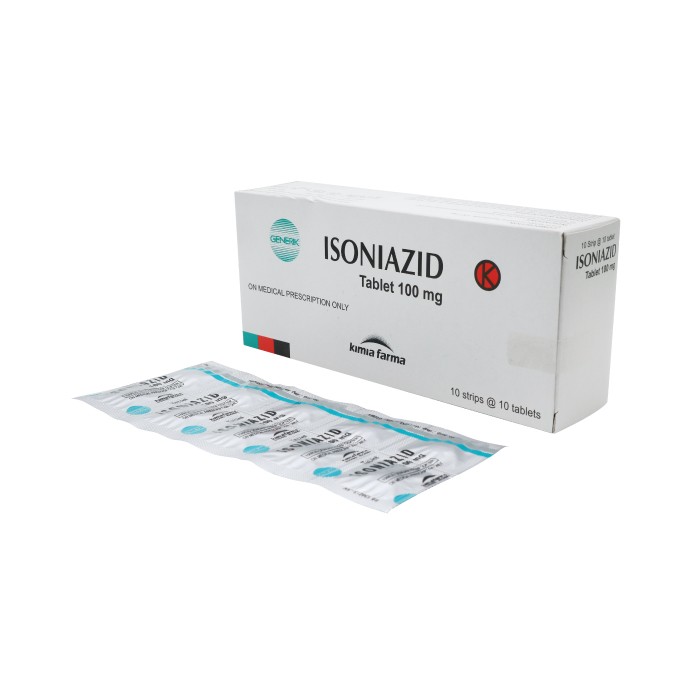
Multidrug-Resistant Tuberculosis (MDR-TB) adalah kondisi penyakit tuberkulosis yang tidak berespons (resisten) terhadap antibiotik Isoniazid dan Rifampisin, yaitu dua obat anti-tuberkulosis (OAT) yang paling kuat. Tuberkulosis (TB) sendiri merupakan suatu penyakit infeksi yang disebabkan oleh bakteri Mycobacterium tuberculosis dan ditularkan dari orang ke orang lain melalui udara. TB biasanya mengenai paru-paru, tetapi juga dapat mempengaruhi bagian lain dari tubuh, seperti otak, ginjal, atau tulang belakang. Dalam kebanyakan kasus, TB dapat diobati dan disembuhkan. Akan tetapi, penderita TB dapat meninggal jika tidak mendapatkan pengobatan yang tepat. Terkadang bakteri TB dapat menjadi resisten terhadap obat yang digunakan untuk mengobati TB, yang artinya obat tersebut tidak dapat lagi membunuh bakteri penyebab timbulnya TB.
Selain MDR-TB, dikenal juga istilah lain dari TB yang resisten terhadap obat, yaitu Extensively Drug Resistant TB (XDR-TB) dan Rifampicin Resistant TB (RR-TB). XDR-TB adalah salah satu bentuk MDR-TB yang jarang terjadi, dimana bakteri resisten terhadap Isoniazid dan Rifampisin, ditambah obat apapun golongan Fluorokuinolon dan setidaknya satu dari tiga obat lini kedua yang diberikan melalui suntikan, yaitu Amikasin, Kanamisin, atau Kapreomisin. Karena XDR-TB resisten terhadap obat TB yang paling kuat, pilihan pengobatannya seringkali terbatas dan kurang efektif. Selain itu, juga terdapat RR-TB, yaitu kondisi penyakit TB yang resisten terhadap penggunaan Rifampisin.
Penyebab
Penyebab dari timbulnya penyakit TB adalah bakteri yang bernama Mycobacterium tuberculosis. MDR-TB menyebar dengan cara yang sama seperti penyebaran TB pada umumnya. TB menyebar melalui udara dari satu orang ke orang lain. Bakteri TB dikeluarkan ke udara ketika seseorang dengan penyakit TB paru-paru atau tenggorokan batuk, bersin, berbicara, atau bernyanyi. Bakteri ini dapat melayang-layang di udara selama beberapa jam, tergantung pada lingkungannya. Orang-orang di sekitar penderita dapat menghirup udara yang mengandung bakteri ini dan kemudian terinfeksi. Penyakit TB tidak menular melalui:
- Menjabat tangan seseorang
- Berbagi makanan atau minuman
- Menyentuh sprei atau kursi toilet
- Berbagi sikat gigi
- Berciuman
Penyebab timbulnya MDR-TB bisa dipengaruhi oleh dua hal, yaitu pengolahan pengobatan TB yang tidak teratur dan penularan dari penderita MDR-TB ke orang lain. Kebanyakan kasus TB dapat disembuhkan dengan pengobatan OAT selama 6 bulan yang diberikan kepada penderita dengan dukungan dan pengawasan yang ketat. Resistensi terhadap OAT dapat terjadi bila obat tersebut disalahgunakan atau salah kelola, contohnya:
- Penderita tidak menyelesaikan pengobatan TB secara lengkap
- Penderita tidak meminum obat persis seperti yang diperintahkan oleh penyedia layanan kesehatan
- Penyedia layanan kesehatan meresepkan pengobatan yang salah (dosis yang salah atau lamanya waktu yang salah)
- Obat-obatan untuk perawatan yang tepat tidak tersedia
- Obat-obatan berkualitas buruk
Penderita TB yang sudah mengalami resitensi terhadap obat tertentu, kemudian dapat menularkan bakteri TB yang resisten ke orang lain, terutama di tempat yang ramai seperti penjara dan rumah sakit. Kondisi ini dikenal sebagai TB primer.
Faktor Risiko
MDR-TB lebih sering terjadi pada penderita TB yang:
- Tidak mengonsumsi obat TB secara teratur
- Tidak mengonsumsi semua obat TB seperti yang diperintahkan oleh dokter atau perawat
- Menderita TB kembali setelah mengonsumsi obat TB di masa lalu
- Berasal dari daerah di mana TB yang resisten terhadap obat secara umum terjadi
- Telah menghabiskan waktu atau berkontak dengan penderita yang diketahui memiliki penyakit TB yang resisten terhadap obat
Gejala
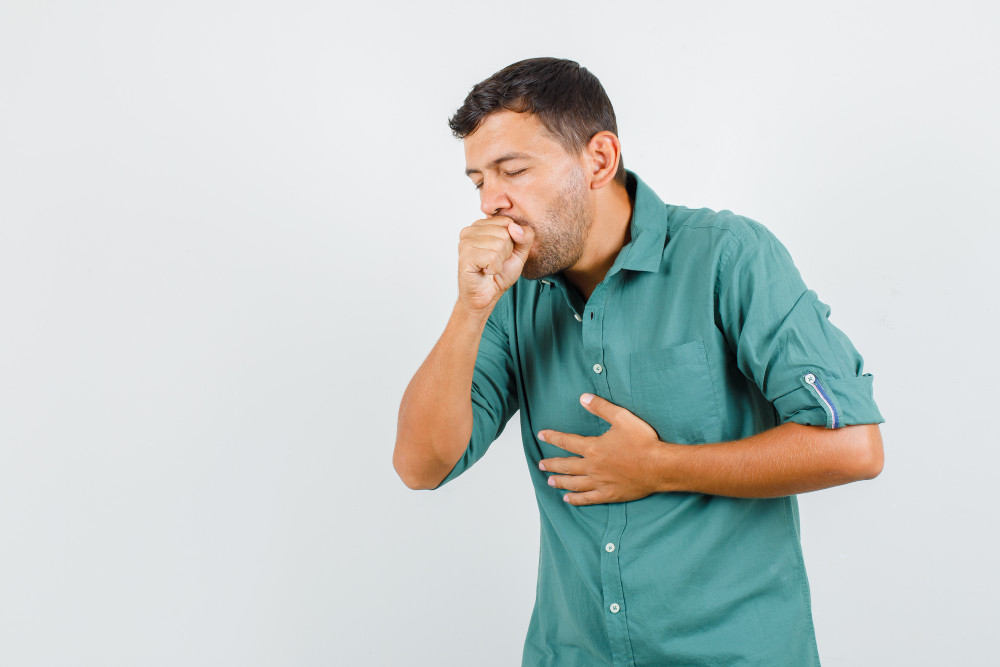
Gejala MDR-TB secara umum sama dengan gejala penderita TB. Gejala utama pada pasien TB paru adalah batuk berdahak yang dialami selama 2 minggu atau lebih. Gejala batuk yang dialami juga seringkali diikuti dengan gejala tambahan yaitu:
- Terdapatnya dahak yang bercampur darah
- Batuk darah
- Sesak napas
- Rasa tidak nyaman di dada
- Badan lemas
- Nafsu makan menurun
- Berat badan menurun
- Berkeringat pada malam hari tanpa kegiatan fisik
- Demam meriang dengan suhu tidak terlalu tinggi yang terjadi lebih dari satu bulan
Pada pasien dengan HIV positif, batuk sering kali bukan merupakan gejala TB yang khas, sehingga gejala batuk tidak harus selalu terjadi selama 2 minggu atau lebih. TB juga dapat terjadi pada organ lain di tubuh selain paru-paru, sehingga terkadang gejala TB dapat bervariasi sesuai organ yang terkena.
Diagnosis
Dalam mendiagnosis MDR-TB, dokter akan mulai dengan melakukan wawancara dengan Anda untuk menanyakan gejala-gejala yang sedang dialami, dan juga termasuk riwayat sakit TB sebelumnya serta riwayat konsumsi OAT di masa lalu. Dokter akan mencurigai Anda menderita MDR-TB jika memiliki riwayat satu atau lebih di bawah ini:
- Pasien TB yang gagal dengan pengobatan TB Kategori 2
- Pasien TB pengobatan kategori 2 yang tidak mengalami konversi (bakteri TB masih terdeteksi positif) setelah 3 bulan pengobatan
- Pasien TB yang mempunyai riwayat pengobatan TB yang tidak standar serta menggunakan golongan kuinolon dan obat injeksi lini kedua paling sedikit selama 1 bulan
- Pasien TB yang gagal dengan pengobatan kategori 1
- Pasien TB pengobatan kategori 1 yang tidak konversi setelah 2 bulan pengobatan
- Pasien TB kasus kambuh (relaps), dengan pengobatan OAT kategori 1 dan kategori 2
- Pasien TB yang kembali setelah loss to follow-up (lalai berobat/default)
- Terduga TB yang mempunyai riwayat kontak erat dengan pasien MDR-TB, termasuk dalam hal ini warga binaan yang ada di Lapas/Rutan, hunian padat seperti asrama, barak, buruh pabrik
- Pasien TB dan juga HIV yang tidak respons terhadap pemberian OAT
Diagnosis MDR-TB dapat ditegakkan berdasarkan pemeriksaan uji kepekaan M. tuberculosis dengan menggunakan metode standar yang tersedia di Indonesia yaitu metode tes cepat molekuler (TCM) TB dan metode konvensional. Saat ini metode tes cepat yang dapat digunakan adalah pemeriksaan molekular dengan Tes Cepat Molekuler TB (TCM) dan Line Probe Assay (LPA), sedangkan metode konvensional yang digunakan adalah Lowenstein Jensen (LJ) dan MGIT.
Tata Laksana
Tatalaksana terhadap MDR-TB merupakan hal yang rumit dan manajemen yang tidak tepat dapat mengancam jiwa sehingga Anda harus berkonsultasi dengan dokter dan pastikan mengikuti anjuran pengobatan secara teratur. Pengobatan MDR-TB meliputi penggunaan kombinasi obat lini kedua dan mungkin perlu diberikan untuk jangka waktu yang lebih lama, seperti:
- Antibiotik golongan Fluorokuinolon
- Antibiotik suntik, seperti Amikasin dan Streptomisin
- Jenis antibiotik yang lebih baru, seperti Bedaquiline, Ethionamide, dan Para-amino salicylic acid. Penggunaan obat ini diberikan besama dengan obat lain.
Komplikasi
Pada beberapa negara, pengobatan MDR-TB menjadi semakin sulit karena pilihan pengobatan yang terbatas dan mahal, obat yang direkomendasikan tidak selalu tersedia, dan penderita mengalami banyak efek samping dari obat. Maka dari itu, dapat terjadi komplikasi dari TB yang resisten terhadap lebih banyak obat, atau yang dikenal dengan istilah Extensively Drug Resitant TB (XDR-TB). Pengobatan yang tidak tepat juga dapat mengakibatkan kematian.
Pencegahan
Cara terpenting yang dapat dilakukan untuk mencegah timbulnya MDR-TB adalah dengan mengonsumsi semua OAT dengan teratur dan persis seperti yang diinstruksikan oleh dokter. Tidak boleh ada dosis obat yang terlewatkan dan pengobatan tidak boleh dihentikan lebih awal tanpa persetujuan dokter. Penderita TB harus memberi tahu dokter jika mengalami kesulitan minum obat atau mengalami efek samping tertentu. Cara lain untuk mencegah MDR-TB adalah dengan menghindari kontak dengan penderita TB atau MDR-TB, khususnya di tempat tertutup atau ramai seperti di rumah sakit, penjara, atau tempat penampungan tunawisma. Selain itu, juga disarankan untuk setiap bayi yang baru lahir untuk mendapatkan vaksin terhadap TB yang disebut Bacille Calmette-Guérin (BCG). Pemberian vaksin ini biasanya dilakukan saat bayi berusia 0 hingga 1 bulan dan cukup diberikan 1 kali saja.
Kapan Harus ke Dokter?
Konsultasikan diri Anda ke dokter jika memiliki gejala-gejala TB seperti batuk berdahak yang terjadi lebih dari 2 minggu, penurunan nafsu makan dan berat badan, badan lemas, sesak nafas, dll. Pengobatan TB yang tepat dan teratur dapat mencegah timbulnya MDR-TB. Jika Anda dicurigai menderita MDR-TB, pastikan mendapatkan pertolongan dan perawatan dari dokter yang ahli di bidang TB karena MDR-TB membutuhkan pengawasan dan tatalaksana yang lebih ketat dan spesifik.
- dr Anita Larasati Priyono

Ambardekar, Nayana. What’s the Treatment for Tuberculosis. (2021). Retrieved 21 Febuari 2022, from https://www.webmd.com/lung/understanding-tuberculosis-treatment
CDC. Drug-Resistant TB. (2017). Retrieved 20 Februari 2022, from https://www.cdc.gov/tb/topic/drtb/default.htm
CDC. Multidrug-Resistant Tuberculosis (MDR-TB). (2016). Retrieved 20 Februari 2022, from https://www.cdc.gov/tb/publications/factsheets/drtb/mdrtb.htm
Kemenkes. PMK RI No. 67 Tahun 2016 Tentang Penanggulangan Tuberkulosis. (2016). Jakarta
MDR TB – Multi Drug Resistant TB. (2020). Retrieved 20 Februari 2022, from https://tbfacts.org/mdr-tb/
WHO. Tuberculosis: Multidrug-resistant Tuberculosis (MDR-TB). (2018). Retrieved 20 Februari 2022, from https://www.who.int/news-room/questions-and-answers/item/tuberculosis-multidrug-resistant-tuberculosis-(mdr-tb)
/62d244a608bfb.jpg)
/6302128dc2a2c.jpg)