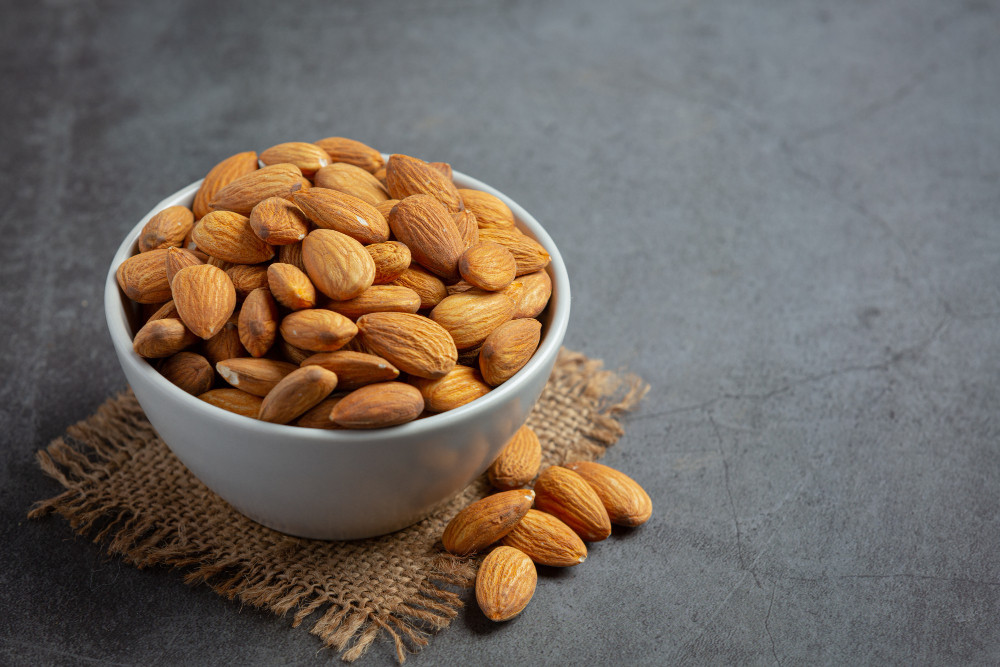

Raisins are a sweet, chewy snack that offers much more than just a tasty treat. These dried grapes are packed with a range of health benefits that can enhance your healthy lifestyle. Curious about what makes raisins so beneficial? Here’s a look at the reasons why they can be a great snack choice.
Why Raisins Can Be a Healthy Snack?
Raisins can be a nutritious snack for a variety of reasons, including:
Rich in Nutritions
Raisins are packed with essential nutrients that offer numerous health benefits. They contain fiber, carbohydrates, protein, potassium, iron, calcium, magnesium, and vitamins B6 and C. These vitamins and minerals support various functions in the body and help maintain overall health.
Good Source of Energy
Raisins are rich in carbohydrates, making them an excellent source of quick energy. They are a great option for people with high physical activity levels and can help replenish energy after exercise, aiding in recovery.
Supports Digestive Health
Raisins are high in fiber, which is beneficial for the digestive system. Fiber adds bulk to stool, making it easier to pass, and helps prevent constipation. Additionally, the fiber in raisins acts as a prebiotic, promoting the growth of healthy bacteria in the gut.
Maintain Heart Health
The fiber in raisins can help reduce levels of bad cholesterol (LDL) in the blood, which is a risk factor for heart disease. Raisins also contain potassium, a mineral that helps regulate blood pressure and supports healthy heart function.
Rich in Antioxidants
Raisins are rich in antioxidants, which play a crucial role in protecting the body from damage caused by free radicals. These harmful molecules can contribute to various health issues, such as cancer, heart disease, and premature aging.
Regulates Blood Sugar
Even though raisins taste sweet, they have a low glycemic index, meaning they do not cause a rapid spike in blood sugar levels. This makes them a good snack choice for those looking to manage their blood sugar.
Supports Bone Health
Raisins contain calcium and boron, two important minerals that support bone health and help prevent osteoporosis. Calcium is essential for strong bones, while boron aids in the metabolism of minerals, ensuring optimal calcium absorption.
Improves Skin Health
The antioxidants in raisins, such as polyphenols, can help boost collagen production. Collagen is vital for maintaining skin elasticity, hydration, and structure, keeping skin firm and glowing.
Research also suggests that raisins may help protect the skin from UV damage, potentially offering anti-aging benefits.
Helps Prevent and Manage Anemia
A quarter-cup of raisins provides about 1 mg of iron, which accounts for around 6% of the Recommended Daily Allowance (RDA). Iron is essential for producing hemoglobin, a protein in red blood cells that transports oxygen throughout the body.
While raisins alone won’t meet all your iron needs, they make a healthy addition to your diet to help support your daily intake.
To enjoy the health benefits of raisins, it’s recommended to limit your intake to around 40 grams per day. Avoid chocolate-covered raisins, and pair them with healthier options like nuts or grains for an even better snack.
Have questions about the nutritional content of other foods? You can consult a doctor or use the consultation feature on the Ai Care app, available for download on the App Store or Play Store.
Looking for information about nutrition, food and other diet tips? Click here!
- dr Hanifa Rahma
Sarah Anzlovar, MS, RD (2025). 9 Health Benefits of Eating Raisins Regularly, According to a Dietitian. Available from: https://www.verywellhealth.com/are-raisins-good-for-you-8746508
Lauren O'Connor, MS, RDN (2024). Health Benefits of Raisins. Available from: https://www.health.com/raisins-benefits-8709770
Mang Sun, et all (2022). Effects of Natural Polyphenols on Skin and Hair Health: A Review. Available from: https://pmc.ncbi.nlm.nih.gov/articles/PMC9695112
Cleveland Clinic (2022). Iron Supplement (Ferrous Sulfate). Available from: https://my.clevelandclinic.org/health/drugs/14568-iron-oral-supplements-for-anemia
Cleveland Clinic (2023). 52 Foods High In Iron. Available from: https://health.clevelandclinic.org/how-to-add-more-iron-to-your-diet