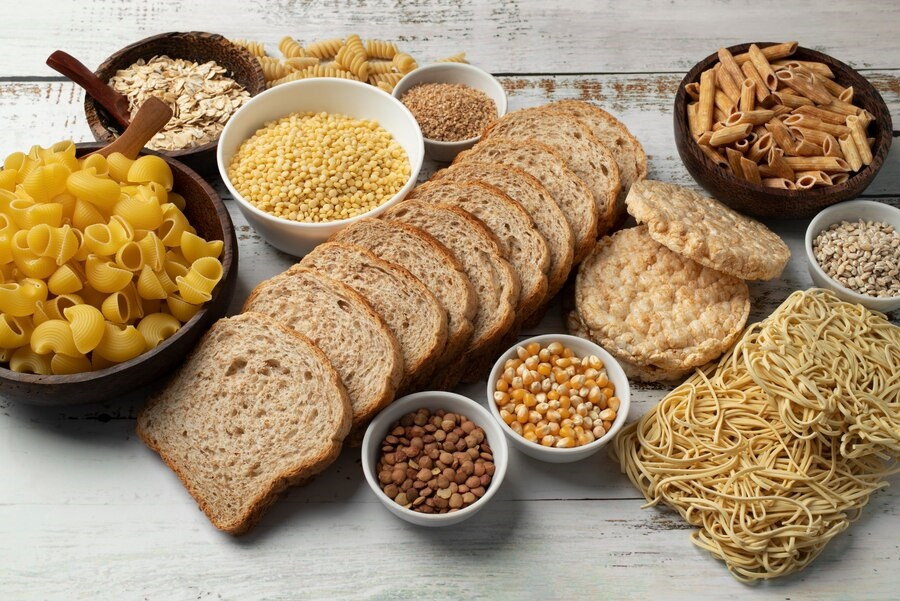

The body needs fiber-rich foods to help regulate how sugar is used, so hunger and blood sugar levels stay under control. However, high-fiber foods are harder for the digestive system to break down.
In certain situations, experts actually advise some people to reduce their fiber intake. So, what are the benefits of following a low-fiber diet?
Understanding a Low-Fiber Diet
A low-fiber diet is an eating pattern that focuses on foods containing only small amounts of fiber. In this diet, you deliberately limit the total fiber you consume each day.
Your doctor may recommend a low-fiber diet when you are asked to temporarily cut back on fiber in your daily meals. The example is if you have irritable bowel syndrome (IBS) or diverticulitis. This approach can help relieve symptoms of chronic digestive diseases. For people with these conditions, high-fiber foods can stimulate more frequent bowel movements and trigger discomfort.
Benefits of a Low-Fiber Diet
A low-fiber diet is designed to reduce the amount of fiber that passes through the gut undigested. When lowered fiber intake, the body produces less stool. As a result, this temporary diet can lessen symptoms such as stomach cramps and diarrhea.
Some benefits of a low-fiber diet include:
-
Helping the digestive tract rest for a while
-
Supporting bowel cleansing from residual waste, especially before a colonoscopy
-
Lowering the amount of undigested fiber in the intestines
-
Reducing the volume of stool produced
-
Relieving symptoms of abdominal discomfort
-
Allowing the digestive system to recover after operations such as bowel surgery
Who Should Follow a Low-Fiber Diet?
A low-fiber diet is not suitable for everyone. In general, most children and adults need fiber-rich foods to support healthy digestion and overall wellbeing. A low-fiber diet is usually advised only for people with certain medical conditions, such as:
-
Cancer patients
-
Individuals with digestive disorders (IBD, ulcerative colitis, diverticulitis)
-
People with intestinal obstruction
-
People who are about to have surgery or have recently undergone surgery
Examples of a Low-Fiber Diet
Some individuals only need a low-fiber diet for a short time, while others may be advised to follow it longer, depending on their health condition. Examples of foods that can be included in a low-fiber diet are:
-
Low-fiber breakfast cereals
-
Starchy products such as bread, noodles, pasta, cookies, and crackers
-
Starchy staples like white rice and rice cakes
-
Potatoes
-
Small portions of peeled fruit
-
Smooth peanut butter
-
Small amounts of dairy products
-
Meat
-
Fish
-
Boiled eggs
-
Tofu
Even when you are following a low-fiber diet, you do not need to reduce how much water you drink. Because a low-fiber diet can increase the risk of constipation, it is important to drink enough fluids.
Do not start a low-fiber diet on your own without medical advice and supervision. For gastrointestinal disorders and guidance on a healthy eating pattern, consult health professionals through the Ai Care app.
Looking for information about nutrition, food and other diet tips? Click here!
- dr Hanifa Rahma
American Cancer Society (2020). Low-Fiber Foods. Available from: https://www.cancer.org/treatment/survivorship-during-and-after-treatment/coping/nutrition/low-fiber-foods.html
Cecilia Effa (2022). Your Guide to a Low Fiber Diet. Available from: https://www.healthgrades.com/right-care/food-nutrition-and-diet/low-fiber-diet
Harvard T.H. Chan. Fiber. Available from: https://www.hsph.harvard.edu/nutritionsource/carbohydrates/fiber/
Jo Lewin R.N (2018). What to eat and avoid on a low-fiber diet. Available from: https://www.medicalnewstoday.com/articles/321548