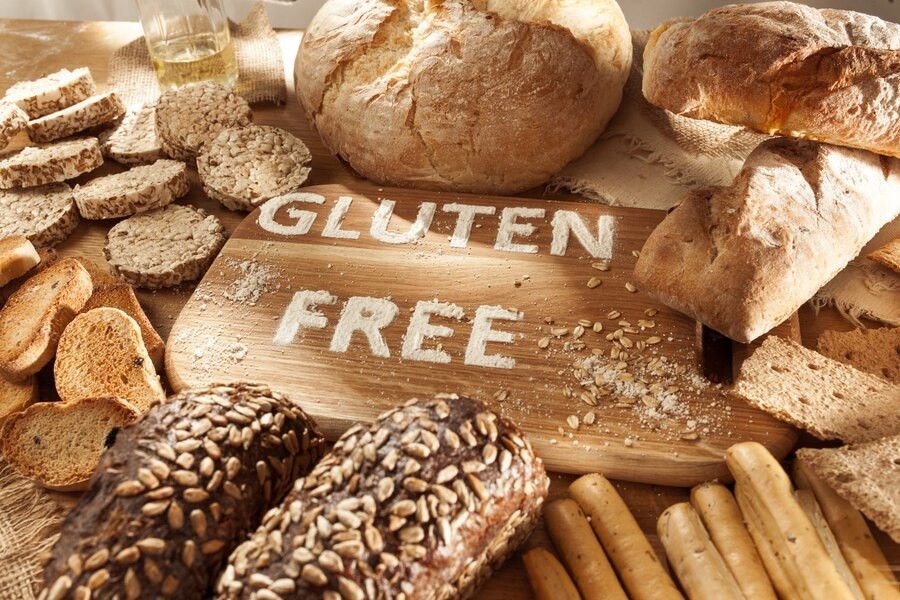
A gluten-free diet avoids all foods that contain gluten, a protein found in grains like wheat and other cereals. Gluten is responsible for giving dough its elasticity and providing a chewy texture to foods.
For individuals who are intolerant to gluten or suffer from celiac disease, consuming gluten can lead to digestive issues such as bloating, diarrhea, or constipation.
However, when following a gluten-free diet, many people make mistakes that hinder them from achieving the diet's primary benefits. What are the most common mistakes made by those on a gluten-free diet? Let’s explore them in this article.
Common Mistakes Made on a Gluten-Free Diet
Gluten is a protein found in foods such as wheat, barley, rye, and other grains. In individuals with celiac disease or gluten sensitivity, consuming gluten triggers an immune response that damages the small intestine lining. If you suspect you have gluten-related issues, it’s essential to consult a healthcare professional to identify which foods are safe for you.
Here are some common mistakes made while following a gluten-free diet:
Following a Gluten-Free Diet Just Because It’s Popular
The gluten-free diet has gained popularity and is often seen as part of a healthy lifestyle. However, experts emphasize that this diet is specifically intended for individuals who have gluten intolerance or celiac disease.
For those without these conditions, adopting a gluten-free diet can lead to nutrient deficiencies, particularly in vitamins and minerals that are crucial for overall health.
Still Consuming Foods Containing Gluten
Some people believe they are following a gluten-free diet by avoiding obvious sources of gluten, like bread, cakes, and pastries made with wheat.
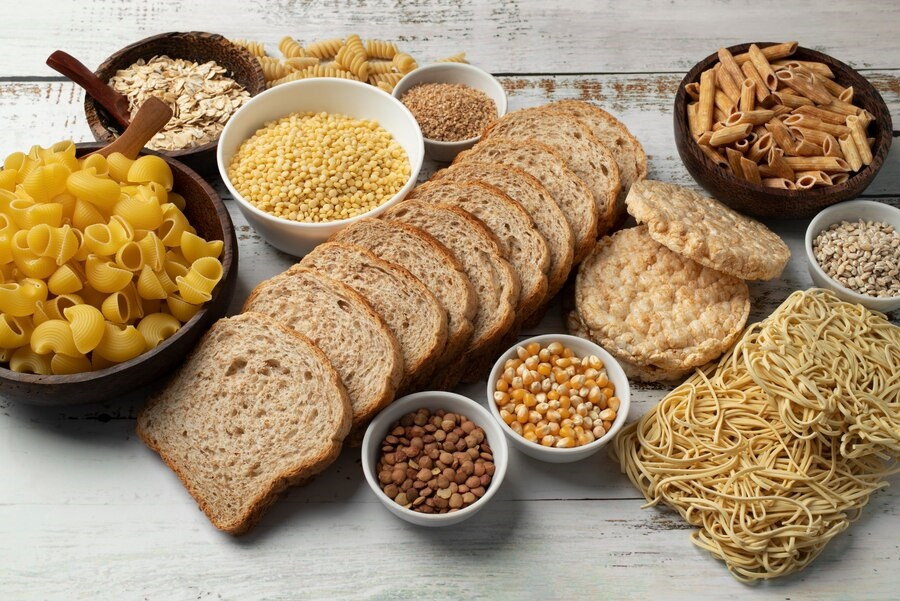
However, gluten is not only found in wheat flour. Many foods such as cereals, sauces, pasta, and noodles that are made with wheat flour also contain gluten and should be avoided.
Assuming the Gluten-Free Diet is for Weight Loss
The gluten-free diet has become associated with weight loss, with many assuming that cutting out gluten will help shed pounds. However, the truth is that not everyone who adopts this diet loses weight.
That said, a gluten-free diet can lead to healthier food choices, such as reducing high-calorie foods and limiting fat and sugar. This healthier approach can help with weight management over time.
Consuming Too Many Processed Gluten-Free Foods
Some processed gluten-free items, like cookies, bread, chips, and cakes, may actually contain more calories than their gluten-containing counterparts. This is often because manufacturers add extra fats or sugars to improve taste and texture.
The increased sugar and fat content can contribute to weight gain if consumed excessively. To maintain a healthy gluten-free lifestyle, it’s important to balance these foods with more nutritious options like fruits and vegetables.
Failing to Balance Your Diet with Nutritious Foods
A gluten-free diet can sometimes lack important nutrients, such as fiber, vitamin A, vitamin E, iron, zinc, copper, and magnesium. This typically occurs when individuals focus too much on avoiding gluten-containing foods but fail to include a variety of nutritious foods in their diet.
If not carefully planned, a gluten-free diet can lead to nutrient deficiencies that are essential for maintaining healthy body functions.
A gluten-free diet is recommended for individuals with celiac disease and gluten intolerance. If you’re considering switching to a gluten-free lifestyle, it’s important to understand which foods should be avoided and which are safe to eat.
To ensure your diet is properly planned, consider consulting a nutritionist. You can also use the consultation feature available on the Ai Care app, which can be downloaded from the App Store or Google Play.
Looking for information about nutrition, food and other diet tips? Click here!
- dr Hanifa Rahma
Sass, C. (2025). Gluten-Free Diet 101: 5 Mistakes To Avoid. Available from: https://www.health.com/nutrition/5-worst-gluten-free-mistakes
Ajmera, R. (2025). The Gluten-Free Diet: A Beginner’s Guide with Meal Plan. Available from: https://www.healthline.com/nutrition/gluten-free-diet
Mayo Clinic. Gluten-Free Diet. Available from: https://www.mayoclinic.org/healthy-lifestyle/nutrition-and-healthy-eating/in-depth/gluten-free-diet/art-20048530
Anderson, J. (2025) https://www.verywellhealth.com/celiac-disease-nutrition-4013842#