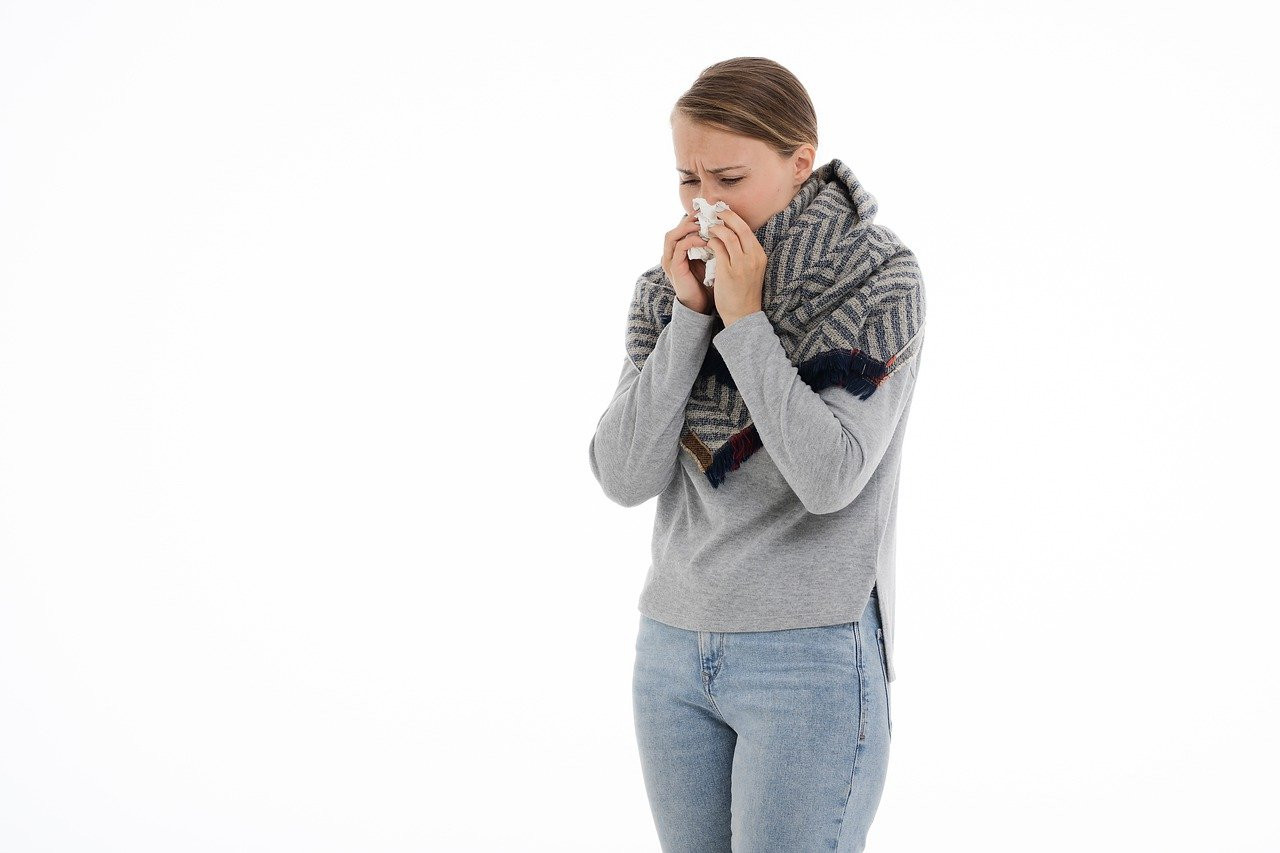

Influenza is a viral infection that affects the respiratory system, often considered mild and it is typically a self-limiting disease.
However, in some cases, influenza can lead to more severe complications, one of which is pneumonia, a potentially dangerous lung infection. So, how does influenza progress into pneumonia? Let’s explore in more detail.
How Does Influenza Develop Into Pneumonia?
Influenza is caused by the influenza viruses types A, B, and C, which attack the upper respiratory tract. In individuals with healthy immune systems, the body can usually fight off the virus within a few days to two weeks.
However, in some cases, influenza can lead to serious complications, including pneumonia. This progression can occur due to several factors, such as:
Damage to the Respiratory Tract
The influenza virus damages the protective lining of the respiratory tract, which serves as a defense against germs. When this protective barrier is compromised, bacteria and other viruses can more easily enter the body, worsening the condition and potentially leading to further infections like pneumonia.
Secondary Infections
Once the immune system is compromised by the flu, other bacteria or viruses can invade the body, causing bacterial pneumonia. Bacterial pneumonia is generally more severe and poses a greater risk than viral pneumonia.
Fluid Buildup in the Lungs
As the immune system reacts to the flu infection, inflammation occurs in the lungs as part of the body’s defense mechanism. This inflammation can result in fluid and mucus accumulation in the lungs, which blocks airways and disrupts the oxygen exchange process. Consequently, the body struggles to receive adequate oxygen.
In severe pneumonia cases, this condition can impair breathing, requiring additional support such as a ventilator or oxygen therapy to ensure the body gets enough oxygen.
Vulnerable Groups
Certain groups are more at risk of developing pneumonia after contracting the flu, including:
-
Seniors over 65 years of age
-
Children under 5 years of age
-
People with chronic diseases, such as diabetes, heart disease, asthma, or chronic obstructive pulmonary disease (COPD)
-
Individuals with compromised immune systems
-
Smokers and individuals with alcohol abuse
These factors can increase the risk of pneumonia complications and make the symptoms more severe.
How to Prevent Influenza from Developing into Pneumonia
Influenza can be prevented through the annual flu vaccine. This vaccine helps protect the body from the flu virus and lowers the risk of complications like pneumonia.
Here are some additional recommendations to prevent complications from influenza:
-
Wash your hands regularly with soap to minimize the spread of the virus.
-
Avoid close contact with sick individuals.
-
Wear a mask in public spaces or when you're sick.
-
Eat a balanced diet rich in vitamins and minerals.
-
Exercise regularly to strengthen your immune system.
-
Manage stress and ensure you get enough rest.
-
Quit smoking and limit alcohol consumption.
Maintaining your health and getting the flu vaccine every year can help prevent complications such as pneumonia. If you experience flu symptoms alongside other severe symptoms like difficulty breathing, chest pain, severe muscle aches, or persistent fever, seek medical attention immediately.
You can also use the health consultation feature on the Ai Care app, available for download on the App Store or Play Store.
Looking for more information about other diseases? Click here!
- dr Hanifa Rahma
American Lung Association (2024). What Causes Pneumonia?. Available from: https://www.lung.org/lung-health-diseases/lung-disease-lookup/pneumonia/what-causes-pneumonia
American Lung Association (2024). What Is The Connection Between Influenza and Pneumonia?. Available from: https://www.lung.org/lung-health-diseases/lung-disease-lookup/pneumonia/what-is-the-connection
CDC (2024). People at Increased Risk for Flu Complications. Available from: https://www.cdc.gov/flu/highrisk/index.htm
CDC (2024). Signs and Symptoms of Flu. Available from: https://www.cdc.gov/flu/signs-symptoms/index.html
Stephanie Watson (2022). Types of Pneumonia. Available from: https://www.webmd.com/lung/pneumonia-types