When someone is infected with Covid-19, the symptoms can look very different from one person to another. Some people are asymptomatic, others only feel mild discomfort, while some experience moderate or even severe symptoms.
Symptoms usually appear 2-14 days after exposure to the SARS-CoV-2 virus. Studies show that the Omicron variant tends to affect the upper respiratory tract, so its symptoms can differ slightly from the Delta and Alpha variants. According to Healthline, common Omicron symptoms include:
-
Cough
-
Fever
-
Nasal congestion
-
Runny nose
-
Headache
-
Sore throat
-
Muscle aches
Compared to earlier variants, serious lung problems are less common with Omicron. Symptoms are usually milder in people who have completed their primary vaccination series or received a booster. Those who are not vaccinated tend to face a higher risk of developing moderate to severe symptoms.
COVID-19 can cause inflammation and damage in the lungs. In severe cases, patients may need a ventilator and can develop acute respiratory distress syndrome (ARDS). For people who have had significant lung involvement, doctors often advise patients to do a simple respiratory test first. After this evaluation, you may be asked to follow a structured breathing exercise program to strengthen the accessory muscles used for breathing for about four to six weeks.
Whatever the severity of your COVID-19 infection, breathing exercises can offer several important benefits, such as:
-
Helping to relieve the impact of serious lung injury, including shortness of breath
-
Aiding in clearing mucus and other fluids from the airways
-
Strengthening the diaphragm, the main located below the lungs
-
Increasing lung capacity by bringing more oxygen into the bloodstream
-
Helping you feel calmer during a long recovery process
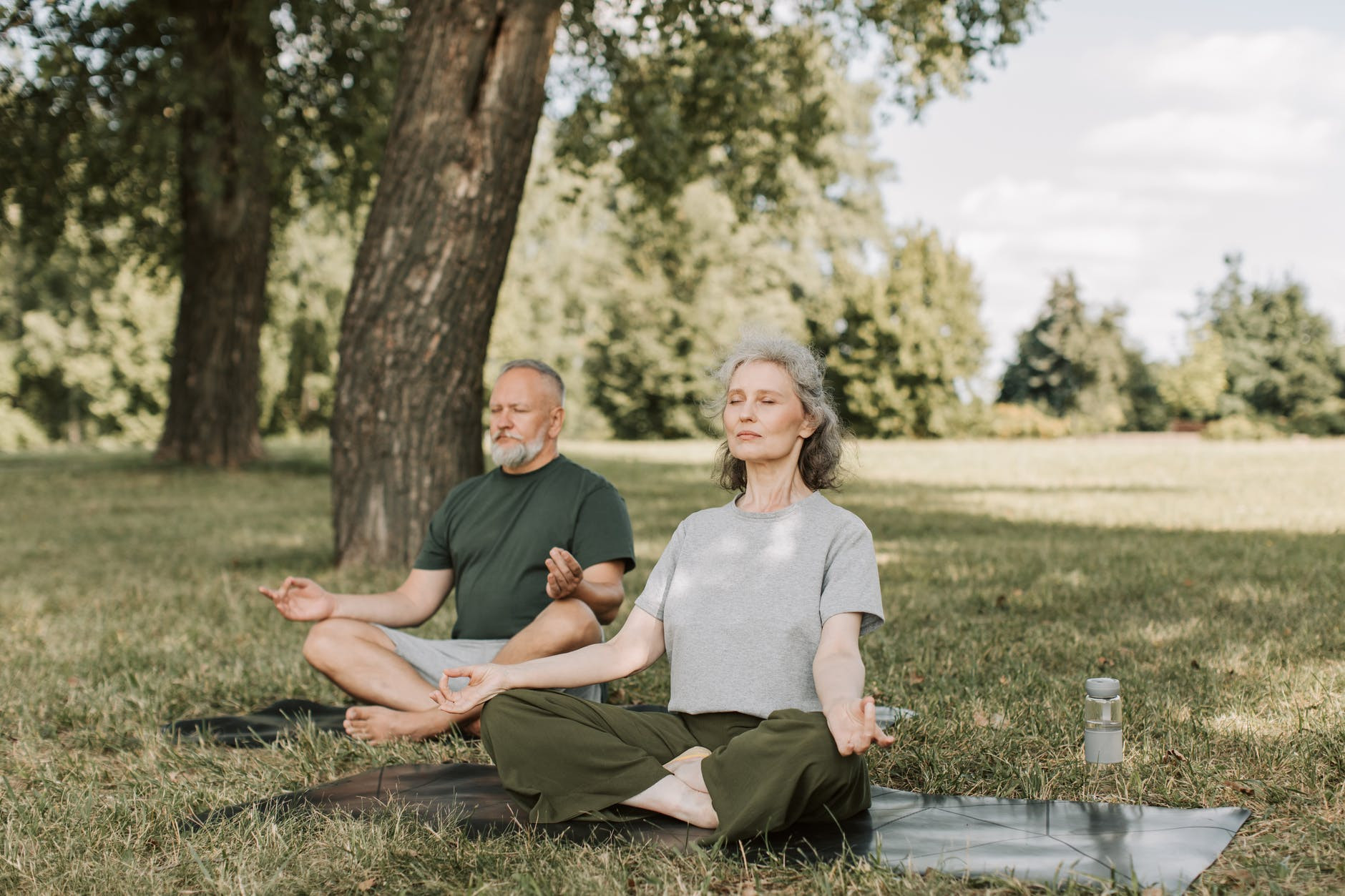
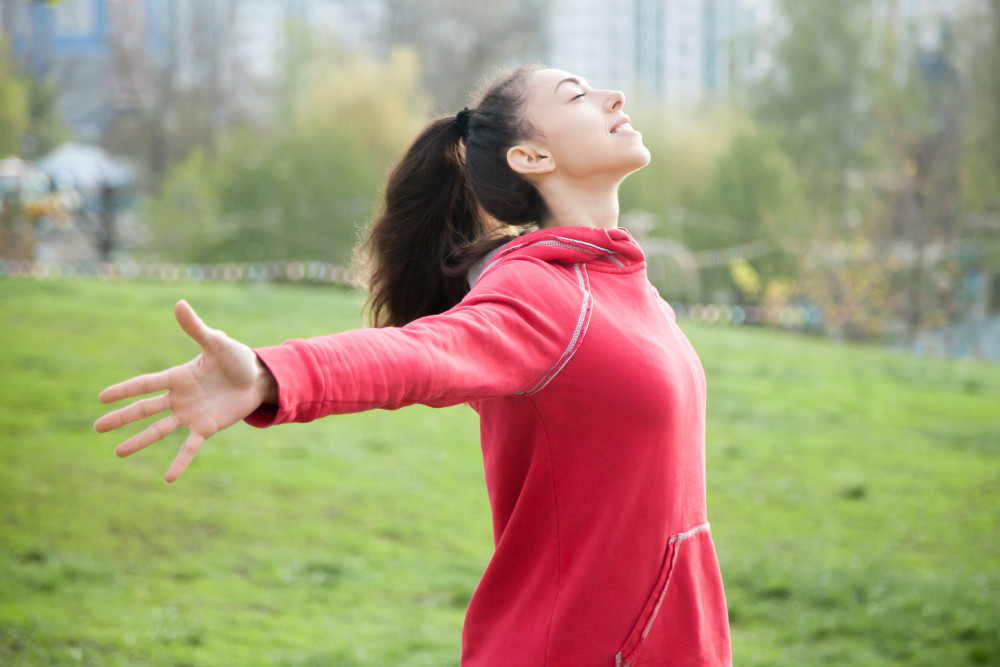
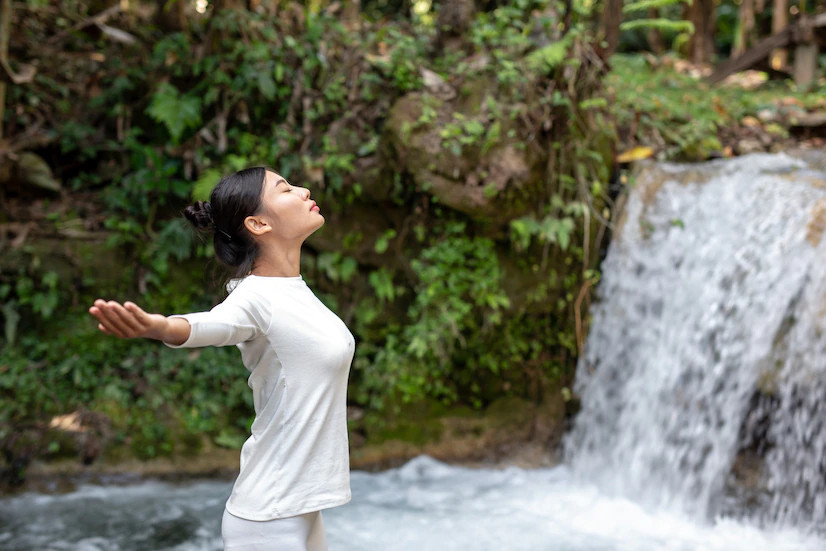
Breathing Exercises You Can Practice
Pursed-Lip Breathing
The American Lung Association notes that pursed-lip breathing can help reduce how many breaths you take and keep your airways open longer. When more air can move in and out of your lungs, it becomes easier to stay active physically.
To practice this technique, breathe in gently through your nose, then exhale twice slowly through your mouth with your lips pursed.
Abdominal (Diaphragmatic) Breathing
Begin by inhaling through your nose and pay attention to how your abdomen rises as air fills your lungs. Place one hand lightly on your stomach so you can feel it move up and down. Then exhale through your mouth, making your exhalation around two to three times longer than your inhalation. Keep your shoulders and neck relaxed so your lungs can fill and empty more effectively.
Inspiratory Muscle Training
According to Verywell Health, the inspiratory muscles are the muscles your body uses when you breathe in. These muscles can be trained with a special device designed to build strength and endurance. This tool is usually used for about 15 minutes, twice a day, to help your inspiratory muscles work more efficiently.
Yawning and Smiling
This exercise helps open the chest muscles so the diaphragm can expand more fully. It also engages the arm and shoulder muscles. As explained by Healthline, the steps are:
-
Sit upright with your back straight.
-
Stretch your arms out to shoulder height.
-
Feel the stretch along your back. When your arms reach shoulder level, open your mouth wide as if you are yawning.
-
Lower your arms back onto your thighs while turning your yawn into a smile.
Aerobic Exercise
Besides the techniques above, you can also improve your breathing capacity through aerobic activities that increase your heart rate and breathing rate, such as brisk walking, jogging, swimming, or other similar exercises.
There is no need to rush into a breathing exercise routine, as recovery from COVID-19 naturally takes time. Before starting, especially if you previously had moderate or severe symptoms, talk to your doctor about which breathing exercises are safe and suitable for you.
Looking for more information about health tips and tricks, first aid, and other home remedies? Click here!
- dr Hanifa Rahma
Corey Whelan (2021). The Best Breathing Exercises for COVID-19. Available from: https://www.healthline.com/health/breathing-exercises-for-covid
American Lung Association (2021). Breathing Exercise. Available from: https://www.lung.org/lung-health-diseases/wellness/breathing-exercises
Rachel Murphy (2021). What Experts Say About Learning to Breathe Again After COVID. Available from: https://www.verywellhealth.com/breathing-exercises-post-covid-5192842
CDC (2021). Symptoms of COVID-19. Available from: https://www.cdc.gov/coronavirus/2019-ncov/symptoms-testing/symptoms.html
Bob Curlet (2022). Omicron Symptoms: How They Compare with Other Coronavirus Variants. Available from: https://www.healthline.com/health-news/omicron-symptoms-how-they-compare-with-other-coronavirus-variants