Definition
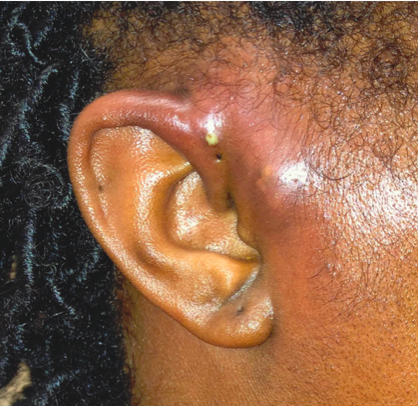
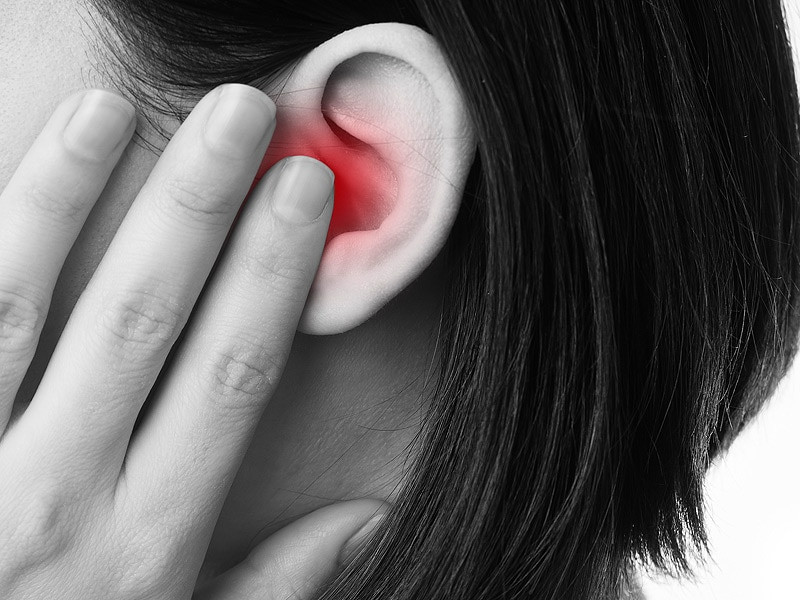
Perichondritis is an infection of the tissue that covers the cartilage of the outer ear, known as the pinna or auricle. Cartilage is a thick tissue that forms the outer ear, and it is surrounded by a thin layer called the perichondrium. The perichondrium serves to provide nutrients and protection to the cartilage.
This infection is sometimes referred to as auricular or pinna perichondritis but is commonly simplified to perichondritis. The exact incidence of perichondritis is unclear, but it often occurs due to trauma to the ear, such as cuts, burns, or ear piercings, leading to pain, swelling, and redness in the outer ear. In some cases, pus may accumulate between the ear tissue and the cartilage.
Causes
Perichondritis is caused by bacterial infections. The most common bacteria responsible for this infection include Pseudomonas aeruginosa (often found in contaminated water) and Staphylococcus aureus (a bacterium present on the skin). Other bacteria, such as Escherichia coli and Staphylococcus pyogenes (also found on the skin), can cause perichondritis as well.
Under normal conditions, the intact perichondrium is not susceptible to bacterial infection. However, if the ear or perichondrium is injured, bacteria can enter and cause an infection.
Perichondritis typically occurs when bacteria enter the cartilage of the outer ear, often due to trauma or injury. One common cause is piercing of the upper ear cartilage, which can damage the cartilage and allow bacteria to enter. Other potential causes of perichondritis include:
- Trauma to the side of the head
- Contact during sports
- Burns
- Insect bites
- Acupuncture
- Ear surgery (rare)
- Untreated ear infections (rare)
- Minor trauma, such as scratches (rare)
- Herpes zoster infections (rare)
Risk Factor
Several factors can increase the risk of developing perichondritis, including:
- Lifestyle
- Ear piercing
- Ear acupuncture
- Contact sports
- Medical conditions, such as uncontrolled diabetes, inflammatory conditions, or chronic immune-weakening diseases
- Poor hygiene
Symptoms
The most common symptoms of perichondritis include ear pain, redness around the injured area, and swelling of the outer ear. Usually, perichondritis affects only the upper part of the outer ear and does not extend to the ear canal. However, if pus forms, it may drain from the inner ear.
Other symptoms of perichondritis may include:
- Fever
- Warmth or heat in the ear
- A droopy appearance (floppy ear)
Diagnosis
Examination to confirm perichondritis may include anamnesis and physical examination. The doctor will ask about the symptoms you are experiencing and your previous medical history. For example, whether you have recently had an injury or trauma to the ear. These injuries include ear piercings, burns, scratches, or a history of acupuncture.
Then, the doctor will examine your ear to confirm the condition of the ear. This is done by looking at and observing the shape of the ear. The doctor will see if there is a change in shape from the normal ear, such as swelling or redness. The doctor can also feel the ear.
In certain conditions, the doctor will ask you to undergo additional examinations, such as ear X-rays to see the condition of the bones in your ear.
Management
Treatment for perichondritis typically involves antibiotics. The type of antibiotic prescribed depends on the severity of the condition and the type of bacteria causing the infection. One commonly used antibiotic for perichondritis is fluoroquinolone, which can be taken orally or applied topically.
The use of fluoroquinolone for ear infections may vary depending on its side effects. Some studies have shown that this antibiotic can cause muscle stiffness and tendon rupture in children, but the American Academy of Pediatrics states that it is safe for children.
In addition to antibiotics, the doctor will remove any foreign objects from the ear, including piercings. The doctor may also recommend oral corticosteroids, warm compresses, and pain relief medications. In severe cases where pus accumulates and blocks blood flow to the cartilage, surgery may be necessary. During surgery, the doctor will make an incision to drain the pus and remove any dead tissue. This procedure helps restore blood flow to the cartilage.
Complications
Delayed diagnosis and treatment can lead to serious complications. If left untreated, pus can obstruct blood flow to the ear, damaging the cartilage and causing tissue death (necrosis).
Necrosis can result in permanent changes to the ear's shape, a condition known as cauliflower ear. Other potential complications of perichondritis include:
- A droopy or floppy ear
- Sudden hearing loss
- Vertigo
- Balance disorders
- Dizziness
- Ear discharge
- Eardrum rupture leading to sudden hearing loss
Prevention
Prevention of perichondritis is to avoid ear piercing on the upper part of the ear cartilage. The risk of infection is lower if you do ear piercing on the earlobe. Some other ways to prevent perichondritis include:
- Avoid acupuncture on the ear
- Seek treatment promptly for ear infections
- Avoid contact sports with a high risk of physical injury
- Avoid frequent scratching of the ear
When to See a Doctor?
Early treatment of perichondritis is essential to ensure recovery and minimize complications. If you experience symptoms such as ear pain, redness, swelling, or warmth around the ear, it is advisable to consult a doctor for appropriate care.
Looking for more information about other diseases? Click here!
- dr. Alvidiani Agustina Damanik
Perichondritis. (2022). Retrieved 14 November 2022, from https://my.clevelandclinic.org/health/diseases/23222-perichondritis
What is Perchondritis. (2022). Retrieved 14 November 2022, from webmd.com/skin-problems-and-treatments/what-is-perichondritis
Perichondritis. (2020). Retrieved 14 November 2022, from https://medlineplus.gov/ency/article/001253.htm
Pinna Perichondritis. (2022). Retrieved 14 November 2022, from https://www.ncbi.nlm.nih.gov/books/NBK572081/
Perichondritis. (2022). Retrieved 14 November 2022, from https://www.msdmanuals.com/home/ear,-nose,-and-throat-disorders/outer-ear-disorders/perichondritis
What is Perichondritis. (2022). Retrieved 14 November 2022, from https://www.childrenshospital.org/conditions/perichondritis