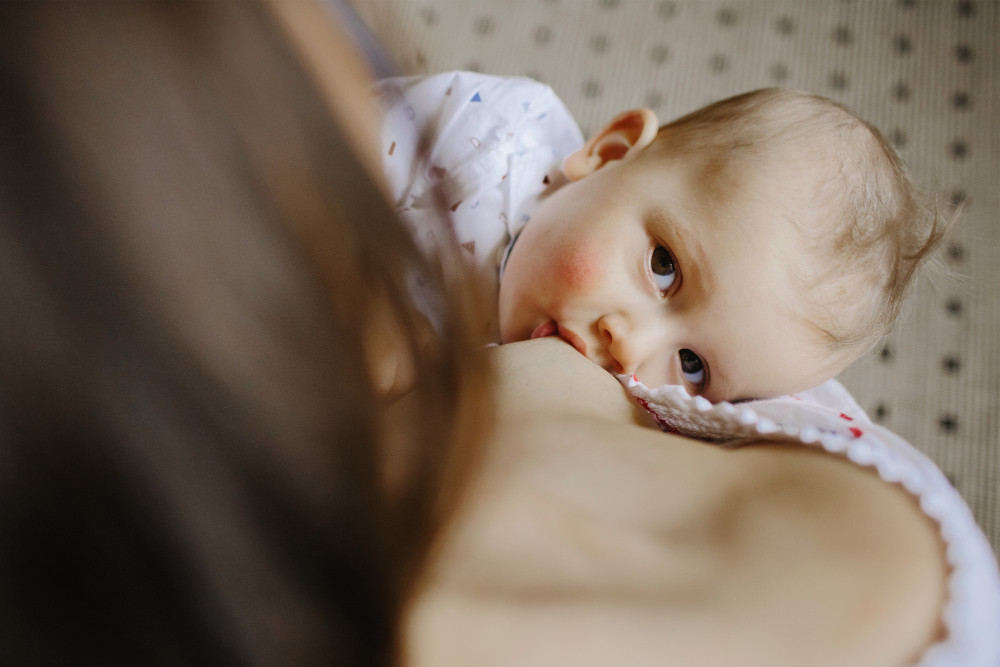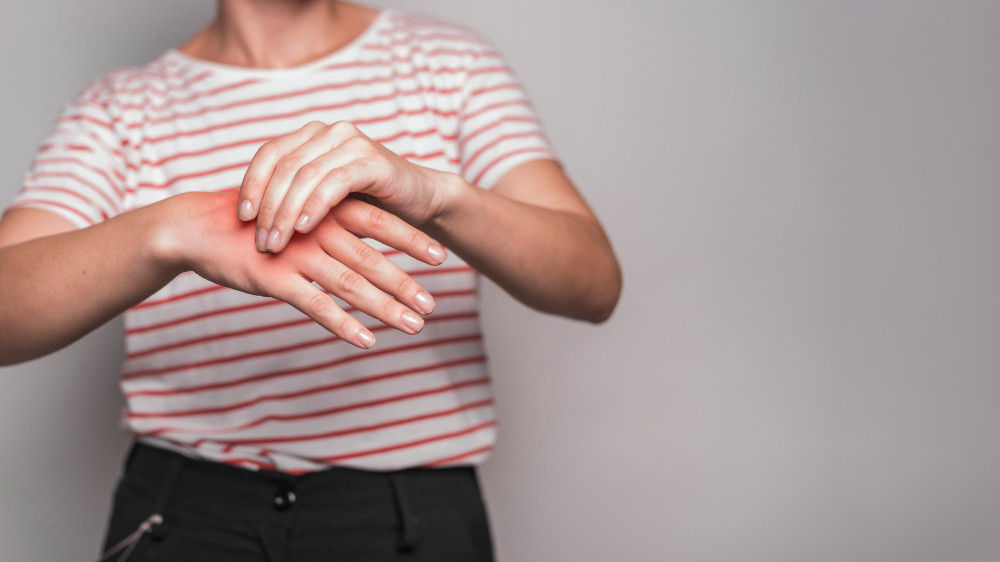

Eczema is a relatively common condition in babies, particularly in those under 1 year of age. This condition can cause the skin to become dry, red, itchy, and at times, scaly or cracked. Although eczema is not contagious, it can lead to discomfort for babies. Recognizing the signs early on ensures that they receive the proper treatment without delay.
Causes of Eczema in Babies
The exact cause of eczema in babies remains unclear, but experts suggest several factors that may contribute to the development of this condition:
Genetic Factors
Eczema tends to run in families. If either or both parents have a history of eczema, asthma, or other allergies, the baby may have a higher risk of developing eczema.
Weakened Skin Barrier
Some babies are born with a weakened skin barrier, which prevents the skin from retaining moisture effectively. This can lead to dry, irritated skin that is more prone to eczema flare-ups.
Use of Baby Products
Certain baby products, such as bath soaps, shampoos, or detergents, may trigger eczema flare-ups. Many of these products contain chemicals that can irritate a baby’s sensitive skin and either worsen or trigger eczema.
Environmental Factors
Babies may be more vulnerable to eczema due to various environmental factors. Living in urban areas with high pollution levels, exposure to cold climates, having pets at home, or being exposed to allergens like dust and pollen can all increase the risk of developing eczema.
Signs of Eczema in Babies
Eczema symptoms typically appear on specific areas of the body, such as the cheeks, skin folds, or other parts of the body. Common signs to look out for include:
-
Dry, scaly skin that feels rough to the touch.
-
Red patches, often on the cheeks, forehead, and scalp. Over time, this rash may spread to other parts of the body, including the chest, neck, back, hands, and feet.
-
Peeling and cracked skin, especially when it becomes excessively dry or is scratched frequently.
-
Rough patches in skin folds, such as behind the ears, elbows, knees, or wrists.
-
In severe cases, eczema can present as small fluid-filled blisters. When these blisters break, they may crust over and become susceptible to secondary infections.
-
Babies with eczema are often more sensitive to certain fabrics, such as synthetic materials, as well as fragrances in skin care products or detergents.
While eczema in babies may not always be completely curable, it is crucial to consult a doctor as soon as you notice symptoms. A healthcare professional may recommend a mild corticosteroid cream or antihistamines to reduce inflammation and alleviate itching.
If you have additional questions about eczema in babies, you can use the consultation service on the Ai Care app, which can be downloaded from the App Store or Play Store.
Looking for more information about pregnancy, breastfeeding, women's and children's health? Click here!
- dr Hanifa Rahma
Brandi Jones, MSN-Ed, RN-BC (2023). What Is Baby Eczema?. Available from: https://www.health.com/baby-eczema-7556594
Alyson Powell Key (2024). Baby Eczema. Available from: https://www.webmd.com/parenting/baby/baby-eczema-questions-answers
American Academy of Dermatology. How to Treat Eczema in Babies. Available from: https://www.aad.org/public/diseases/eczema/childhood/treating/treat-babies