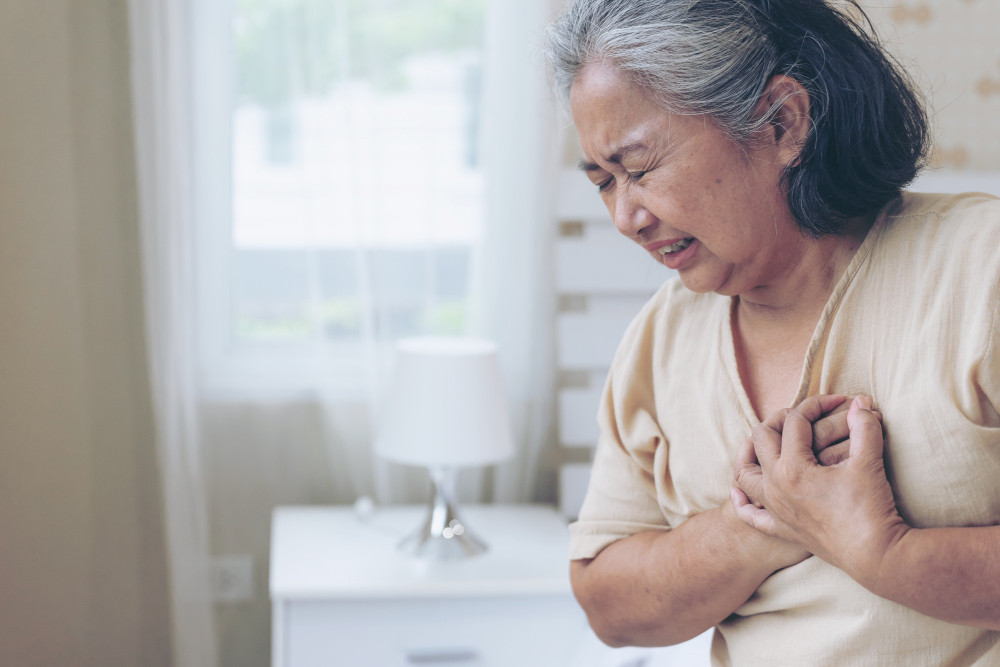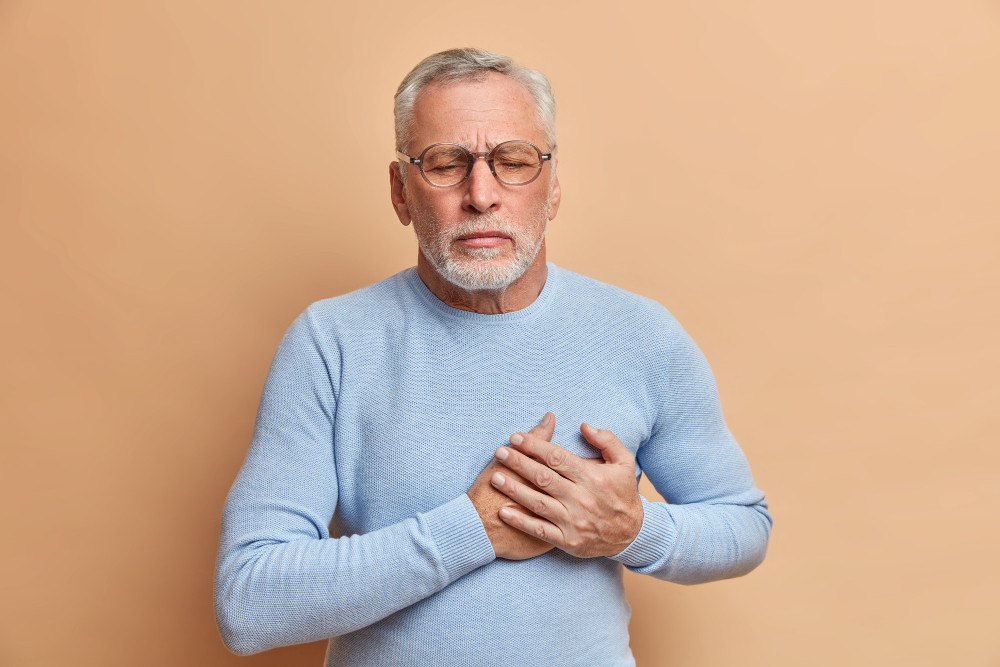

Chest pain is one of the most common indicators of heart disease. However, there are other physical signs of heart disease that should not be ignored, such as changes in skin and nail color, and other bodily changes. This article highlights important but often overlooked physical signs of heart disease.
Physical Signs of Heart Disease
The symptoms of heart disease can differ from person to person. The most common symptoms are shortness of breath and chest pain. However, signs of heart disease may appear earlier, often before noticeable symptoms develop, and are frequently overlooked.
Some physical signs of heart disease include:
Swelling in the Feet and Legs
Swelling in the feet and legs, known as peripheral edema, is one of the most common signs of heart disease. This swelling may indicate heart failure, as it occurs when the heart is unable to pump blood efficiently. As a result, fluid from the blood vessels leaks into surrounding tissues. The feet and legs are the most common areas affected due to gravity.
Baldness
Studies have shown that men who experience hair loss on the crown of their heads have a 23% higher risk of heart disease compared to men with thick hair. This risk increases to 36% for men who experience complete baldness on the top of their heads.
While the direct connection between baldness and heart disease is not fully understood, experts suggest that baldness could be a sign of other risk factors, such as obesity and diabetes, which contribute to heart disease.
Yellow Lumps on the Skin (Xanthoma)
Xanthoma refers to yellow lumps or plaques that appear due to fat deposits. They are typically found on the elbows, knees, hands, feet, or buttocks. A special form of xanthoma, called xanthelasma, appears on the eyelids.
These yellow fat deposits can indicate high cholesterol levels in the blood. High cholesterol is a major risk factor for heart disease, as excess fat can accumulate in the heart's blood vessels.
Gum Disease
Gum issues such as swelling, pain, and bleeding can be important indicators of heart disease. Research shows that individuals with gum disease are 2-3 times more likely to develop heart disease. However, the exact connection between the two remains unclear.
Emotional Stress
Intense emotional stress, such as profound grief or the loss of a loved one, can trigger takotsubo cardiomyopathy, also known as broken heart syndrome. This condition occurs when a surge of stress hormones, particularly adrenaline, causes chest pain that mimics a heart attack, along with palpitations and shortness of breath.
When to See a Doctor?
Signs of heart disease can persist for a long time before more noticeable symptoms, such as chest pain, shortness of breath, or fainting, appear. If any of the signs mentioned above appear and do not improve quickly or are accompanied by other symptoms of heart disease, it is important to consult a doctor immediately. Early diagnosis can significantly reduce the risk of serious complications or death.
In addition to visiting a doctor, you can also use the consultation feature on the Ai Care app, which is available for download on both the App Store and Play Store.
Looking for more information about other diseases? Click here!
- dr Hanifa Rahma
Illiades, C. (2023). Surprising Physical Signs of Heart Disease. Available from: https://www.everydayhealth.com/heart-failure/symptoms/surprising-physical-signs-of-heart-disease/
Amercian Academy of Dermatology Association. Heart Disease: 12 Warning Signs That Appear on Your Skin. Available from: https://www.aad.org/public/diseases/a-z/heart-disease-warning-signs
MacMillan, A. (2023). Never Ignore These 11 Heart Symptoms. Available from: https://www.webmd.com/heart-disease/features/never-ignore-symptoms
Mayo Clinic. Heart Disease. Available from: https://www.mayoclinic.org/diseases-conditions/heart-disease/symptoms-causes/syc-20353118